The shoal remembers: how signs of a collective memory shape a predator-prey arms race
Beneath the tropical trees of southern Mexico, enormous shoals of sulphur mollies blanket the water surface of toxic sulphur springs, where survival depends on collective defense against relentless attacks from predatory birds. The tiny fish survive attacks of birds through creating spectacular collective waves. But new research now shows that their avian predators are adapting too, changing where they attack to avoid triggering the fish’s powerful group defense. The fish, in turn, appear to fight back with a surprising form of collective “memory.”
For years, scientists have known that animal groups can achieve remarkable things by working together. Fish schools, bird flocks and insect swarms can collectively evade predators, process information and coordinate movements with astonishing precision. And sulphur mollies are among the most striking examples.
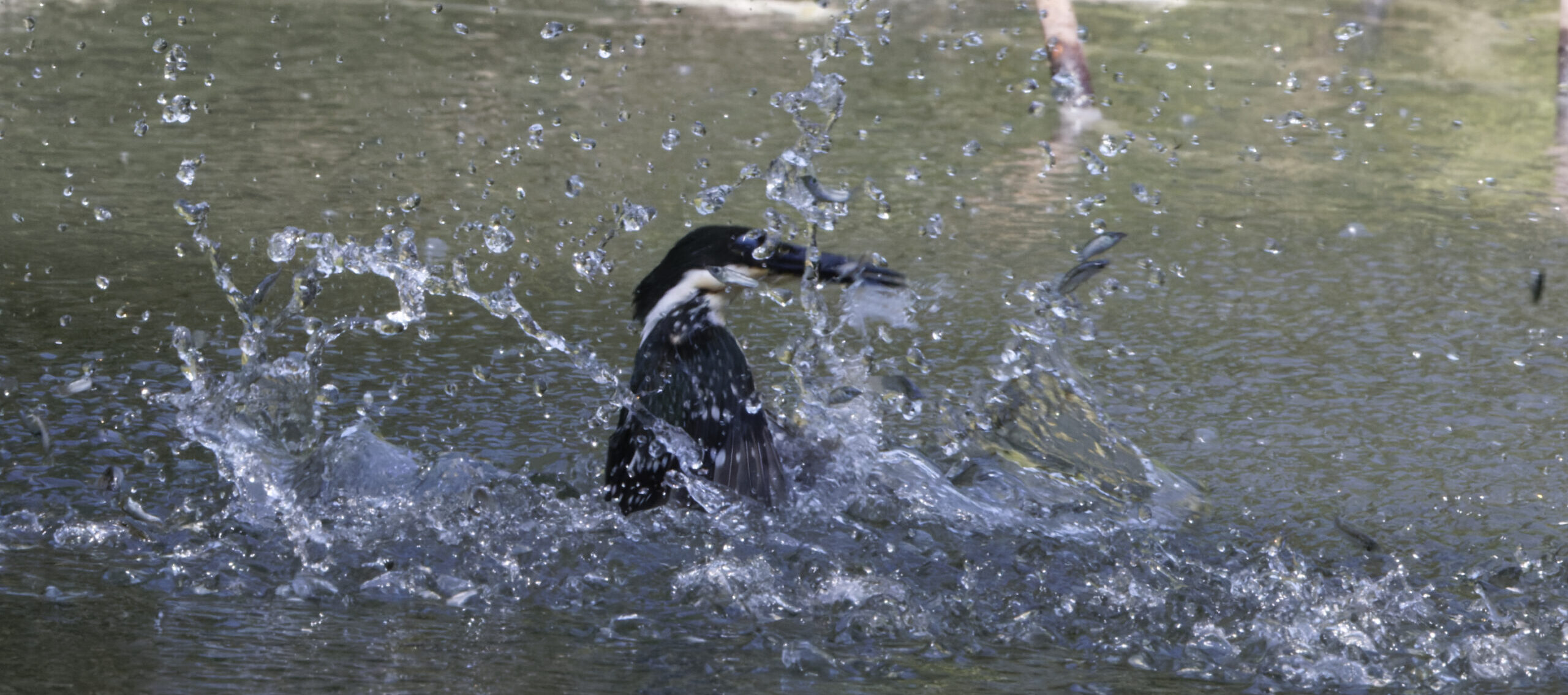
When predatory birds attack these fish shoals, the mollies respond with so-called collective repeat waves: rapid, synchronized diving movements that ripple visibly across the water surface like shock waves. Earlier research had already shown that these waves are an effective defense mechanism, reducing predator efficiency and increasing the time birds wait before attacking again.
But one major question remained unanswered: what do predators do in response?
Do they simply accept the costs imposed by the prey, or do they actively try to outsmart the group?
Birds adapt their attacks to avoid triggering waves
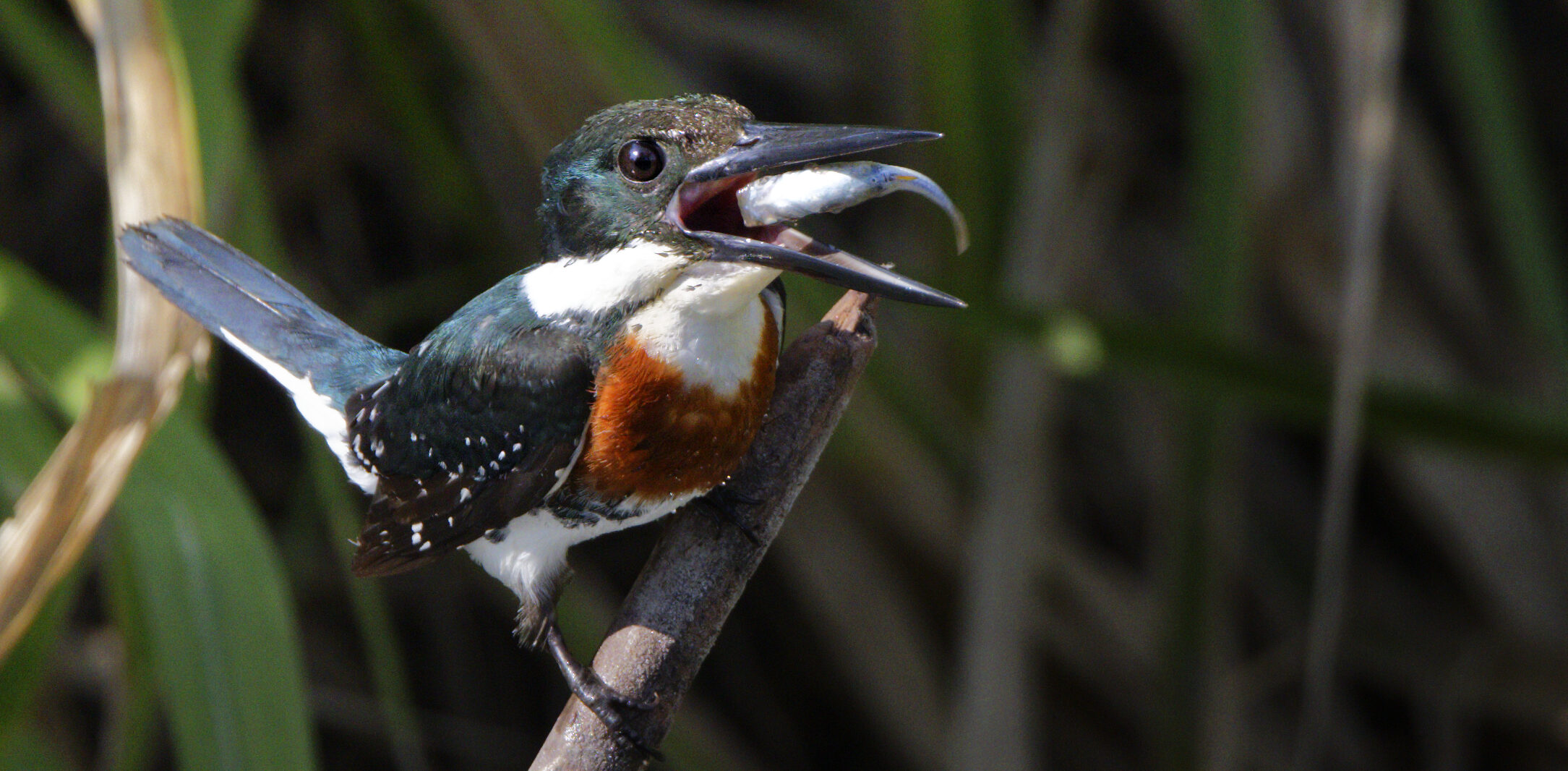
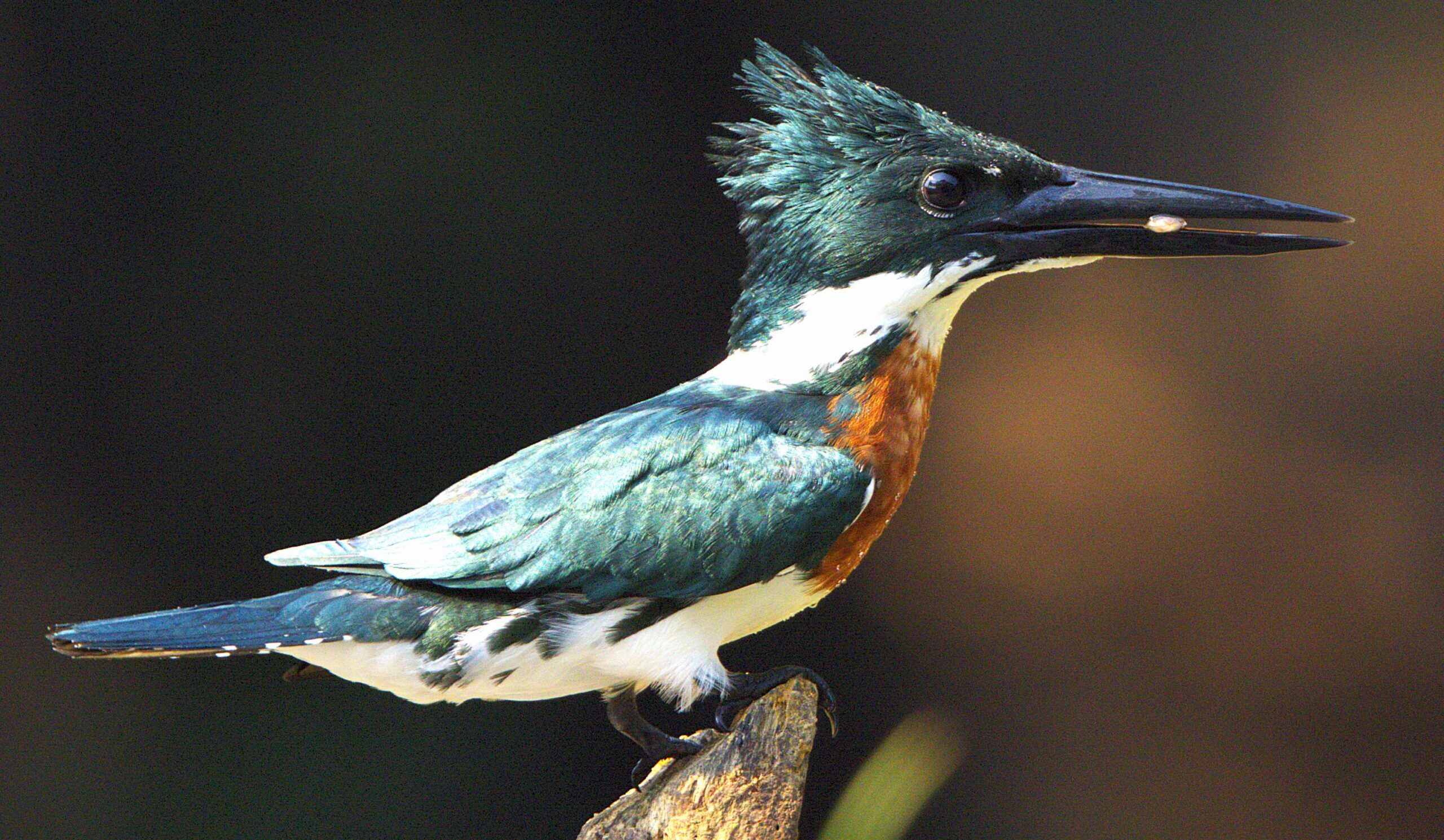
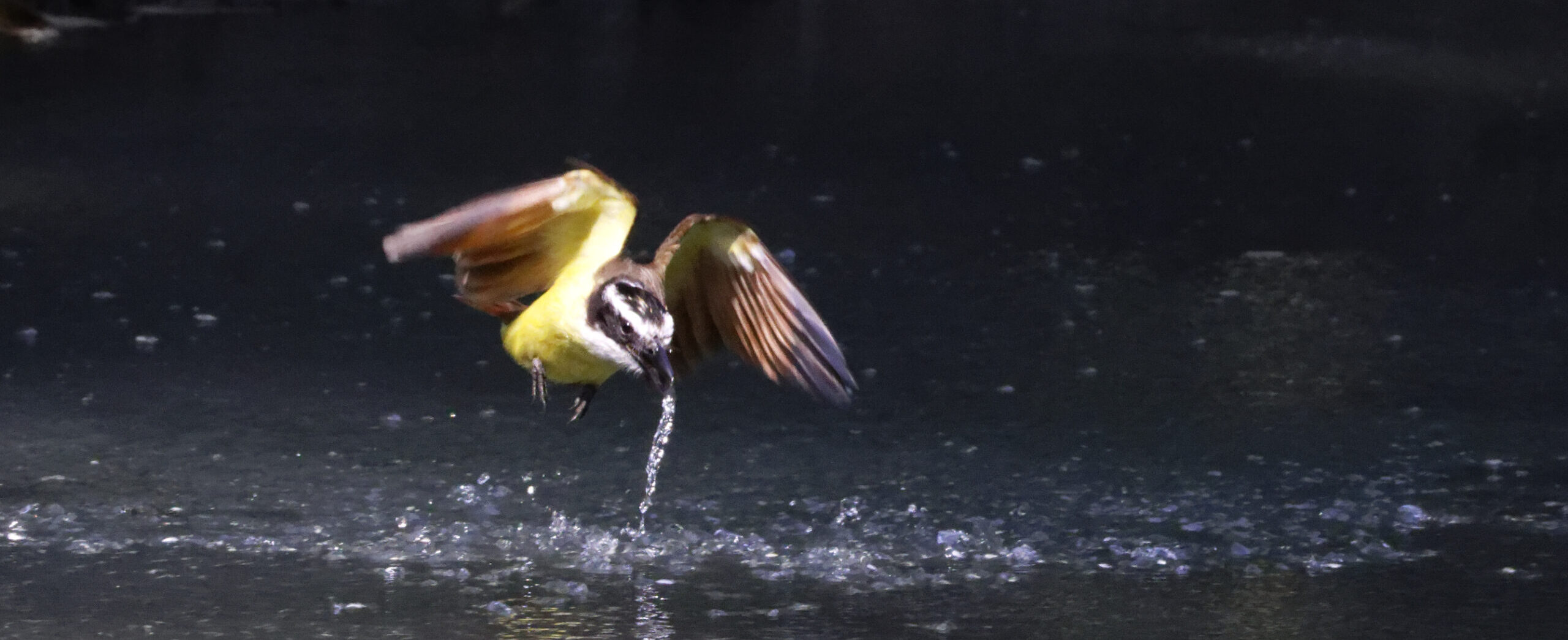
To investigate this, researchers analyzed nearly 800 attacks by three bird species hunting sulphur mollies in the wild: Amazon kingfishers, green kingfishers and great kiskadees. For weeks, the team sat almost motionless beside the sulphur river in Tabasco, Mexico, waiting for birds to appear. A test of patience that eventually resulted in around 120 hours of video footage and one of the largest datasets ever collected on this unusual predator-prey system.