Inside a course on embodied intelligence: SCIoI’s Aravind Battaje explores new ways of teaching science

On a summer afternoon at Science of Intelligence, a group of master’s students argued over the meaning of intelligence and the insignificance of the brain, testing ideas aloud and refining their positions with the help of AI tools. The discussion centered on how intelligence unfolds through action, perception, and interaction.

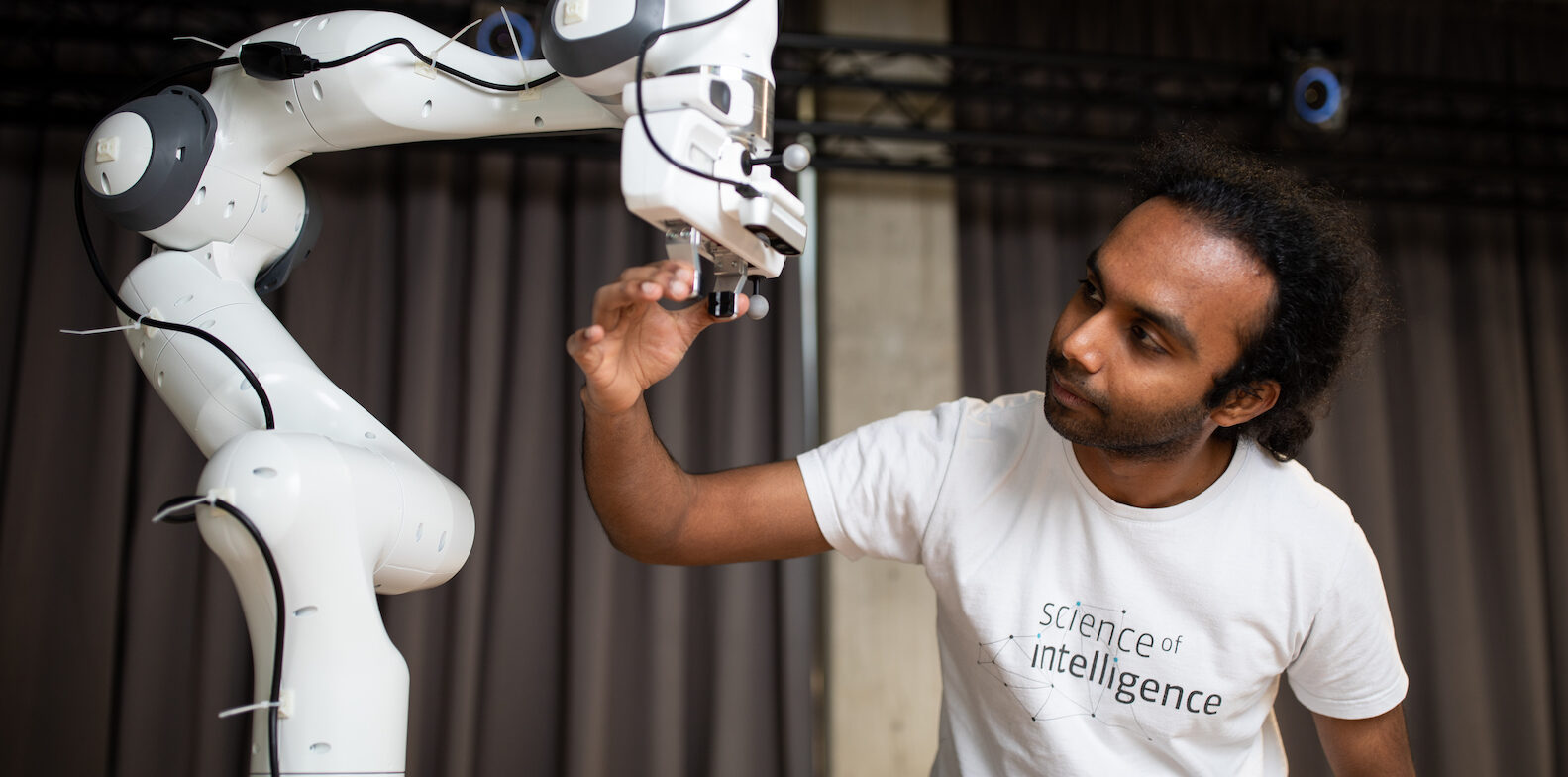
Within this vivid scene stood Aravind Battaje, doctoral researcher at Science of Intelligence (SCIoI). In his seminar, “Mind, Body, Environment: An Interactive Seminar on Embodied Intelligence,” students from computer science, psychology, and neuroscience explored how cognition arises through interaction with the world.

A research-driven teaching format

The seminar was developed as part of a SCIoI teaching initiative supported by funding from the Berlin Senate. The program enabled early-career researchers at the cluster to design and teach courses that reflect current research questions and interdisciplinary methods, extending SCIoI’s research culture into Berlin’s universities.

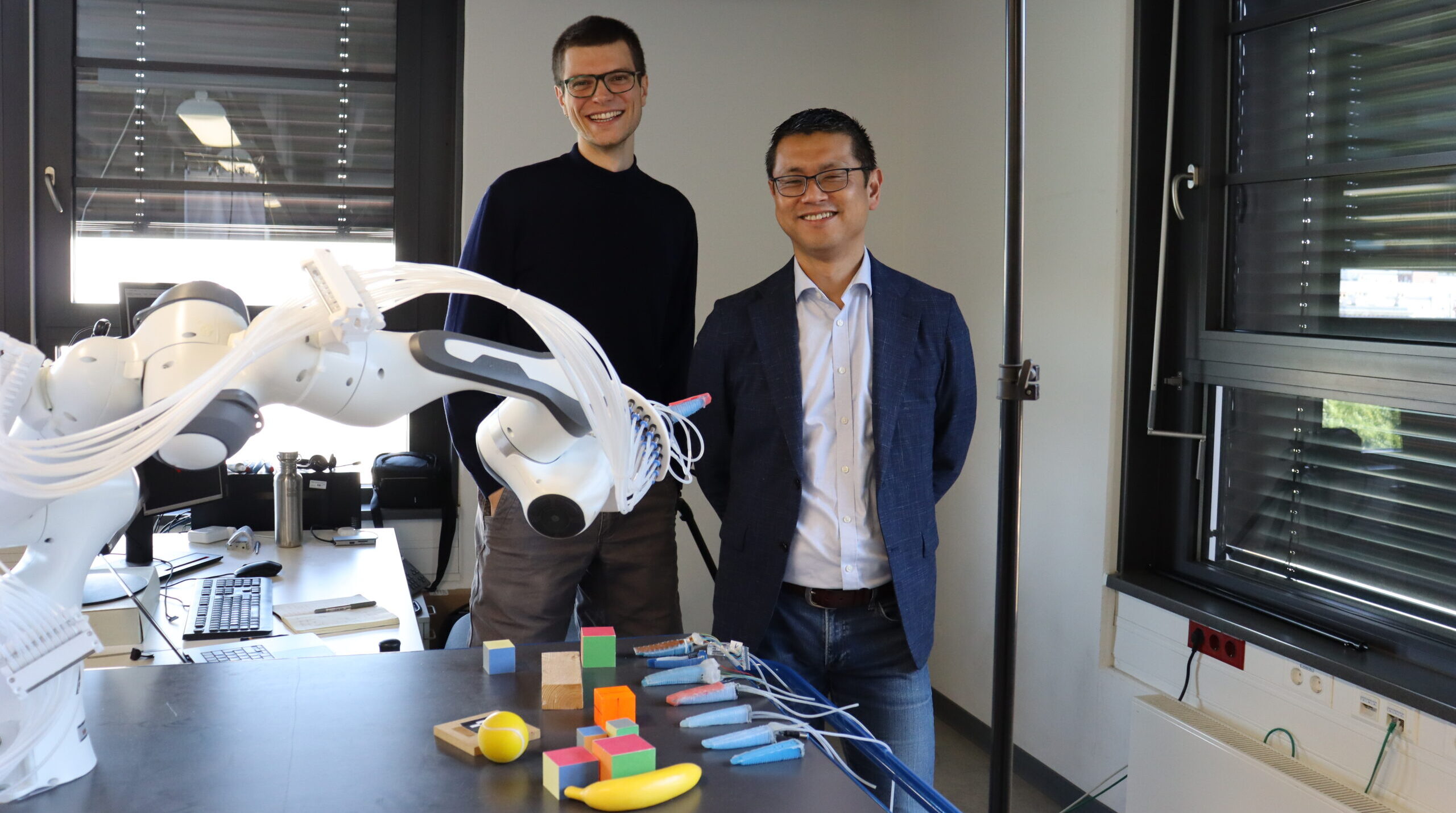
Aravind approached his teaching as a collective experiment. Each week, the group explored embodied cognition from a different angle: perception, movement, social interaction. Discussions intertwined with guest lectures from international researchers including Jacob Yates, Kevin O’Regan, Fumiya IIda, Dario Floreano and John Tsotsos. The visiting scientists met students directly, during dedicated networking sessions, where they encountered the arguments and questions the group had developed prior to the lectures.

“The seminar series supports an intellectually stimulating environment, and as a speaker, I especially enjoyed the lively discussions with both scientists and students,” Jacob Yates later said. “Overall, my visit to Science of Intelligence impressed me with the innovative directions being pursued and left me with several exciting ideas I’m still thinking about.”
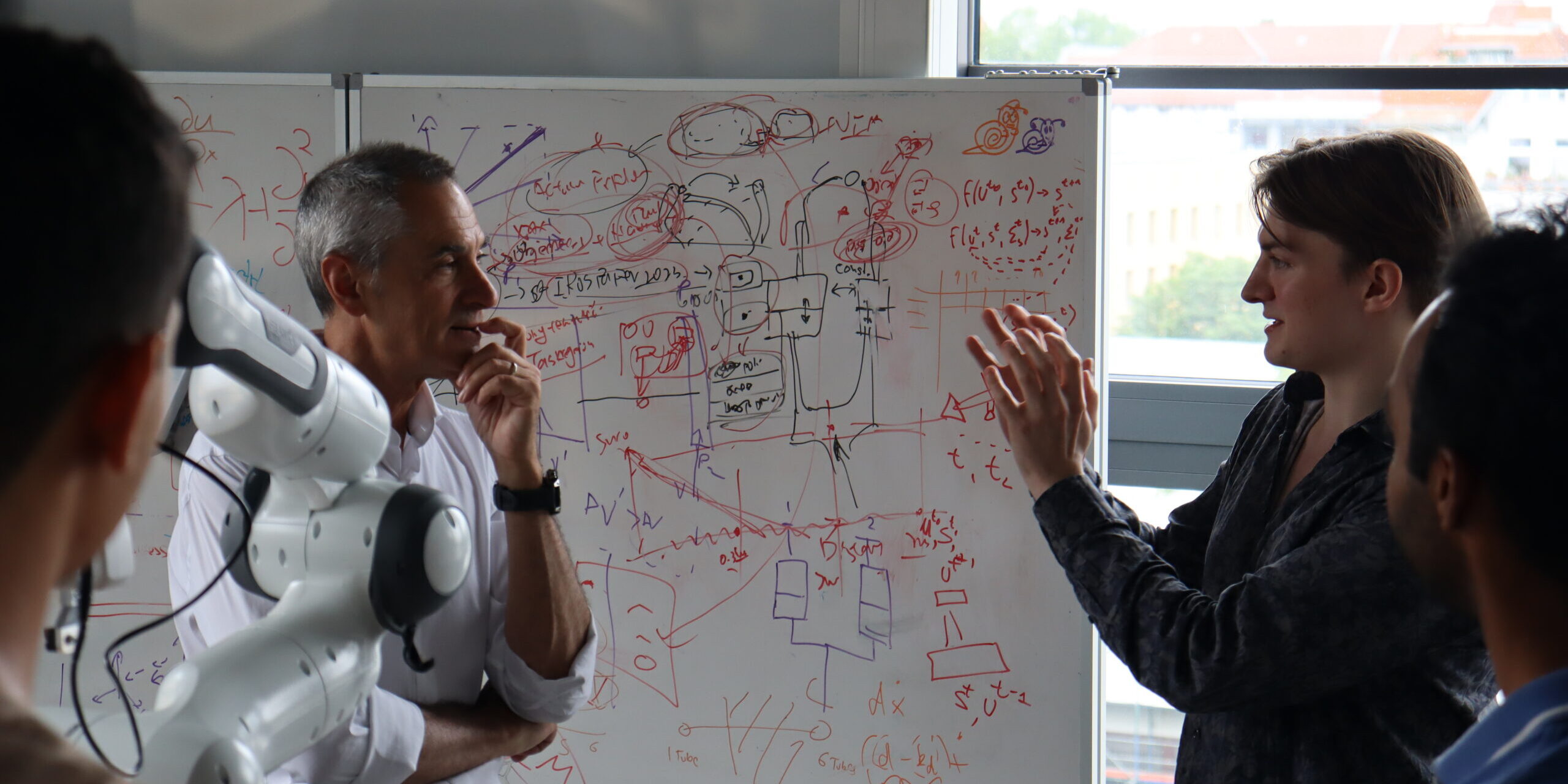
Learning through movement and connection

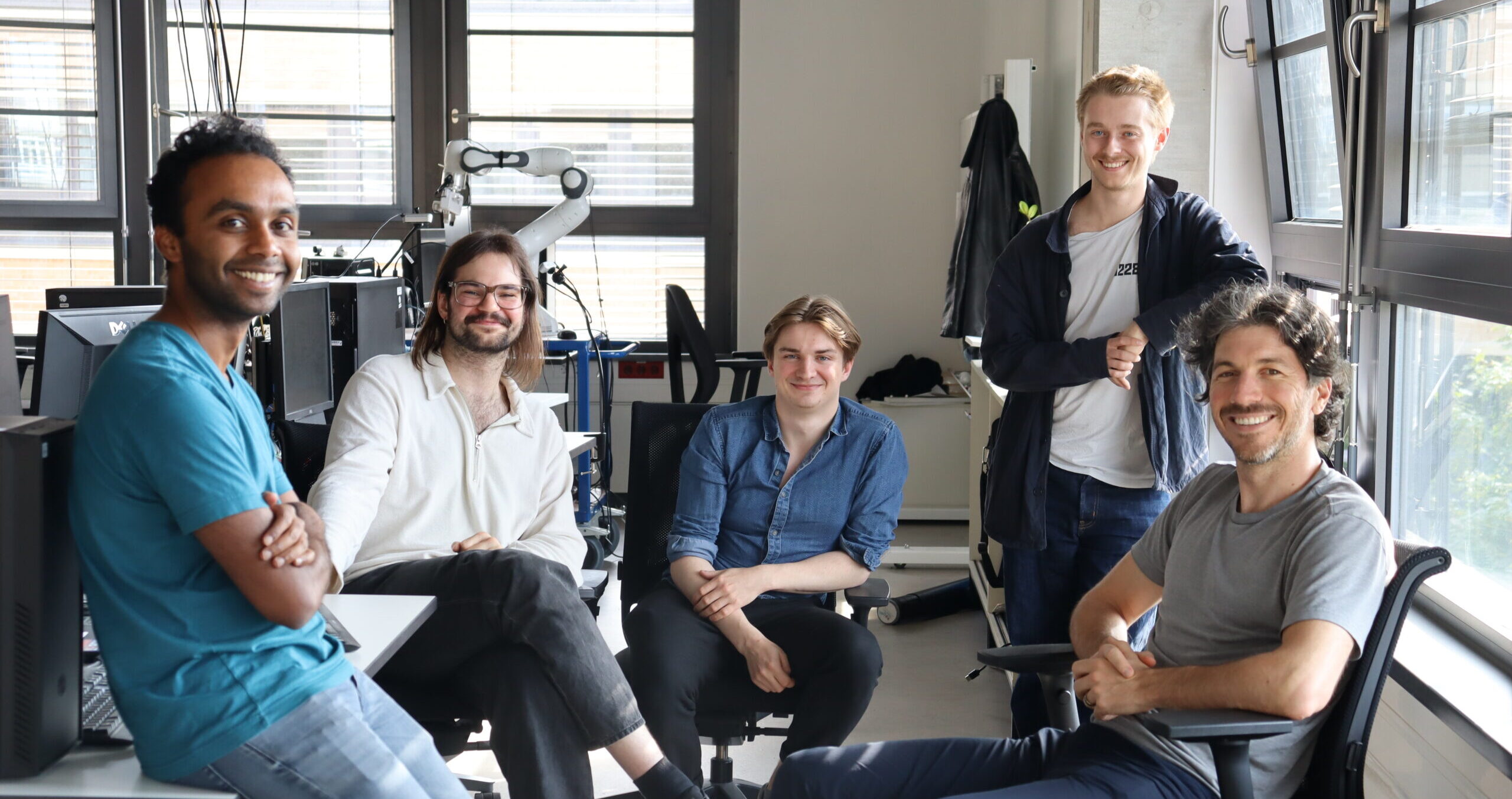
The course unfolded like a conversation that grew more layered with time. Students drew links between their fields, testing how theories of embodiment could inform design, coding, or experimental psychology.

Aravind encouraged them to use AI tools for preparation, a decision that opened new forms of analysis and synthesis. “They handled complex papers with remarkable clarity,” he recalls. “The tools helped them connect ideas across disciplines.”

By the middle of the semester, the seminar had evolved into a dynamic exchange. Students organized debates, designed small demonstrations, and questioned how intelligence might depend on the body’s interaction with its environment. Several described the course as transformative; two said it had completely changed their way of thinking about intelligence.

The making of a teacher

Behind the scenes, the project was a demanding undertaking. Aravind managed invitations, hybrid formats, and the careful pacing of a semester built around discussion rather than lectures. It was, he admits, one of the most time-consuming efforts of his PhD, and one of the most rewarding.

“Teaching revealed things about my research I hadn’t noticed before,” he reflects. “Explaining a concept to students makes the gaps in your understanding visible. That’s where the next question begins.”

This insight lies at the heart of SCIoI’s philosophy. Intelligence is not a fixed property; it grows through interaction. The same principle can describe a robotic system learning to navigate, a collective of fish finding direction, or a class discovering ideas together.

Teaching as part of research

Within SCIoI, teaching is viewed as an extension of scientific inquiry. It creates spaces where theory meets dialogue, and where curiosity is tested in real time. Aravind’s seminar captured that dynamic vividly: a research question turned into a shared exploration.

Visiting scientist Jacob Yates described his time in Berlin as “intellectually stimulating,” while Kevin O’Regan noted the “expert organization and genuine curiosity” of the participants. Their feedback reflected the same qualities that also define the cluster: openness, experimentation, and collaboration across boundaries.

For students, the experience was equally formative. “In-person contact with leading researchers, along with critical engagement with their topics, made the learning experience meaningful,” one participant wrote. Another described the realization that embodiment is essential to understanding intelligence, that cognition develops through contact, motion, and shared attention.

Intelligence in motion

The seminar’s recordings now live on SCIoI’s YouTube channel, extending the discussions to a wider audience. In each session, you can sense the rhythm of the cluster’s broader spirit: ideas that move between research and teaching, between theory and lived experience.

Through initiatives like this, SCIoI demonstrates that education can be a site of discovery in its own right. The Berlin Senate’s support made that possible, giving early-career researchers the chance to shape courses that reflect how science itself is evolving: open, interdisciplinary, and collaborative.

For Aravind, the experience redefined what it means to do research within a collective like SCIoI. “It taught me that knowledge grows through connection,” he says. “That’s the essence of intelligence, whether in humans, robots, or classrooms.”


Research

An overview of our scientific work

See our Research Projects