From code to robots: Thomas Dohmke explores intelligence research at SCIoI
On 24 February, TU Berlin alumnus Thomas Dohmke visited Science of Intelligence (SCIoI) during his return to Technische Universität Berlin. During his university years, he had spent significant time working in environments such as robotics labs and was interested in how they look and function today. Dohmke, a software developer and business executive best known for his role as CEO of GitHub and for co-founding HockeyApp, studied computer engineering at TU Berlin before completing a PhD in mechanical engineering at the University of Glasgow. His academic background in both software and mechanical systems provided a natural bridge to discussions about contemporary robotics and intelligence research.
From concept to working showroom
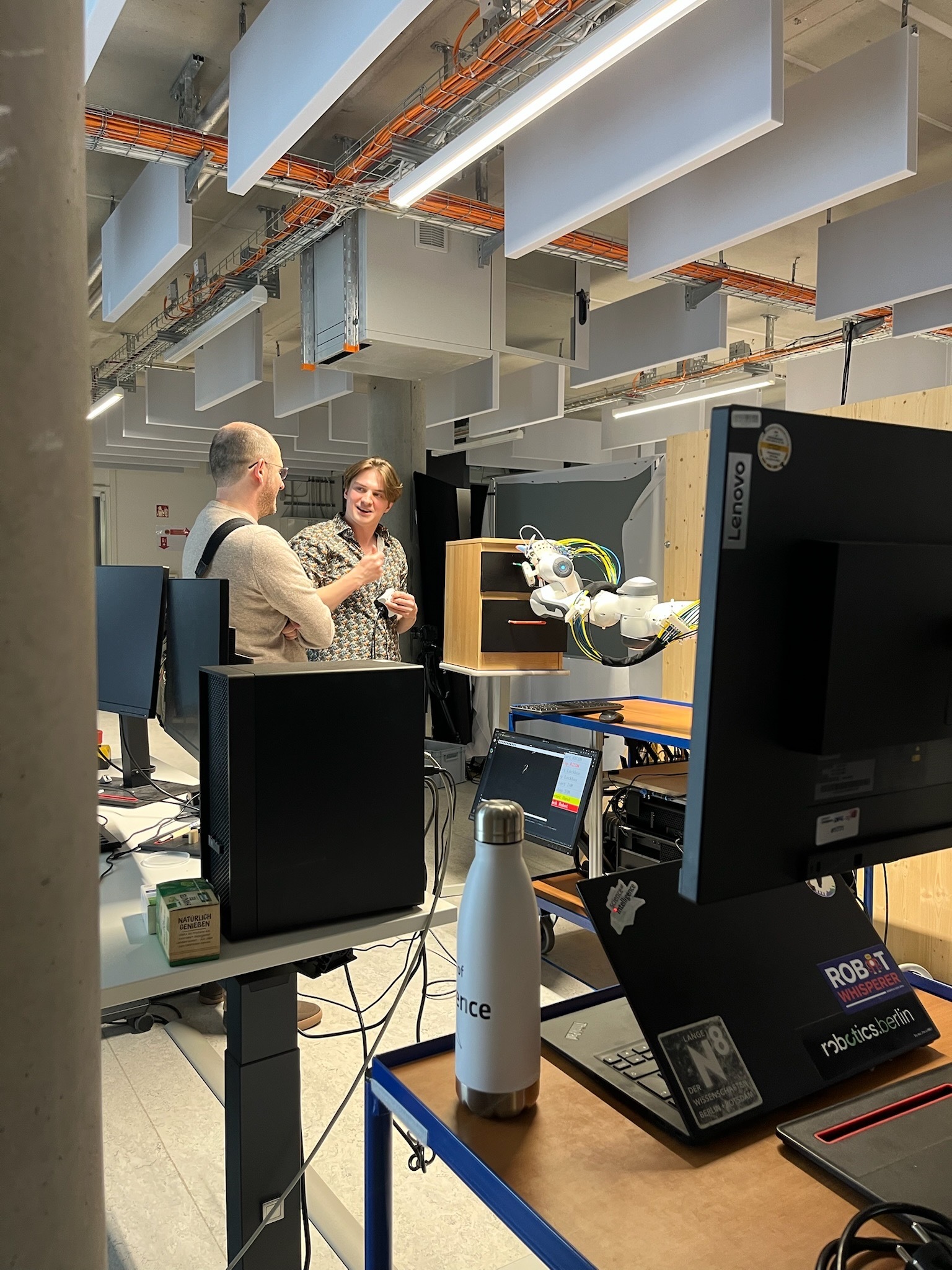
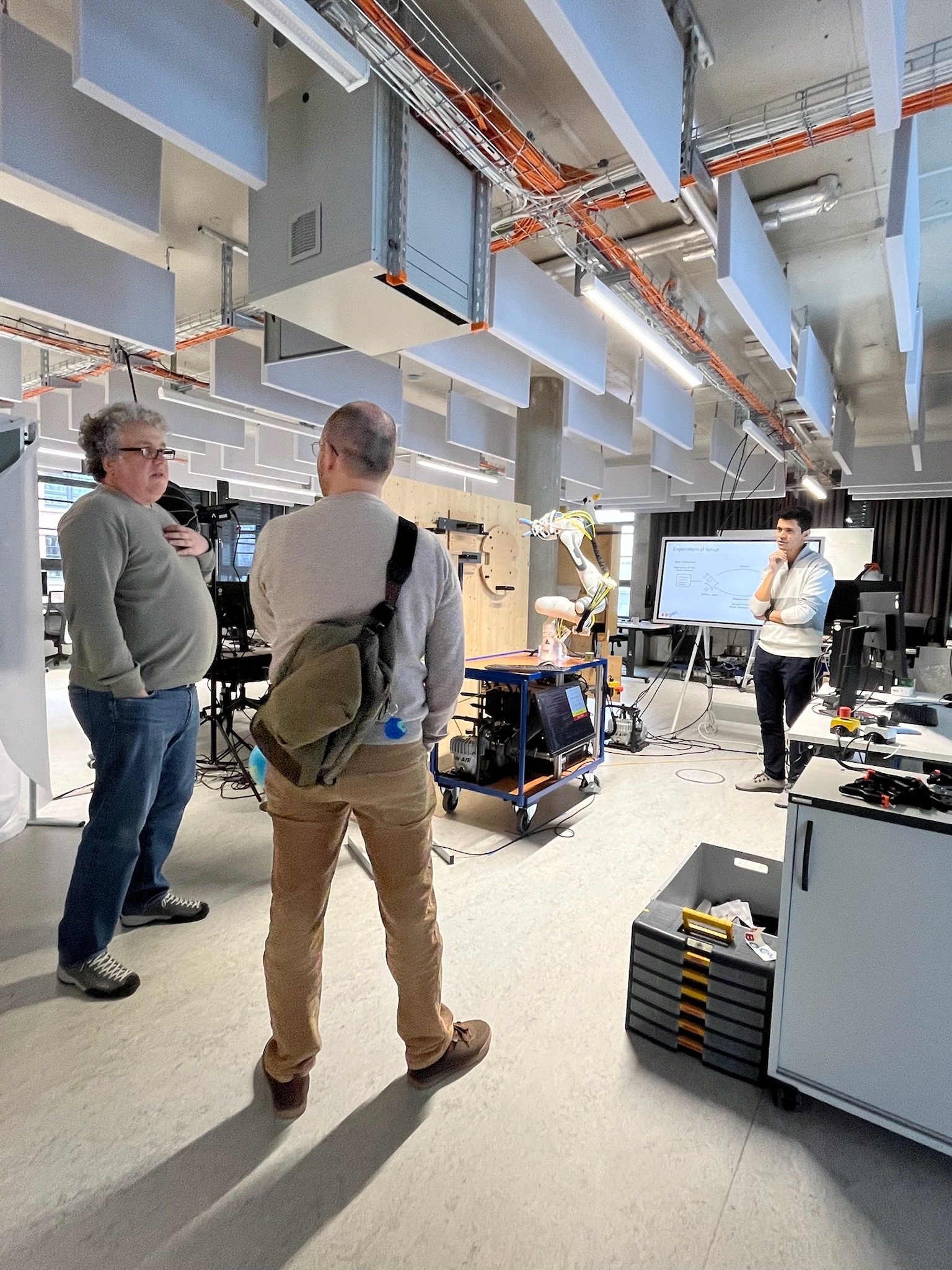
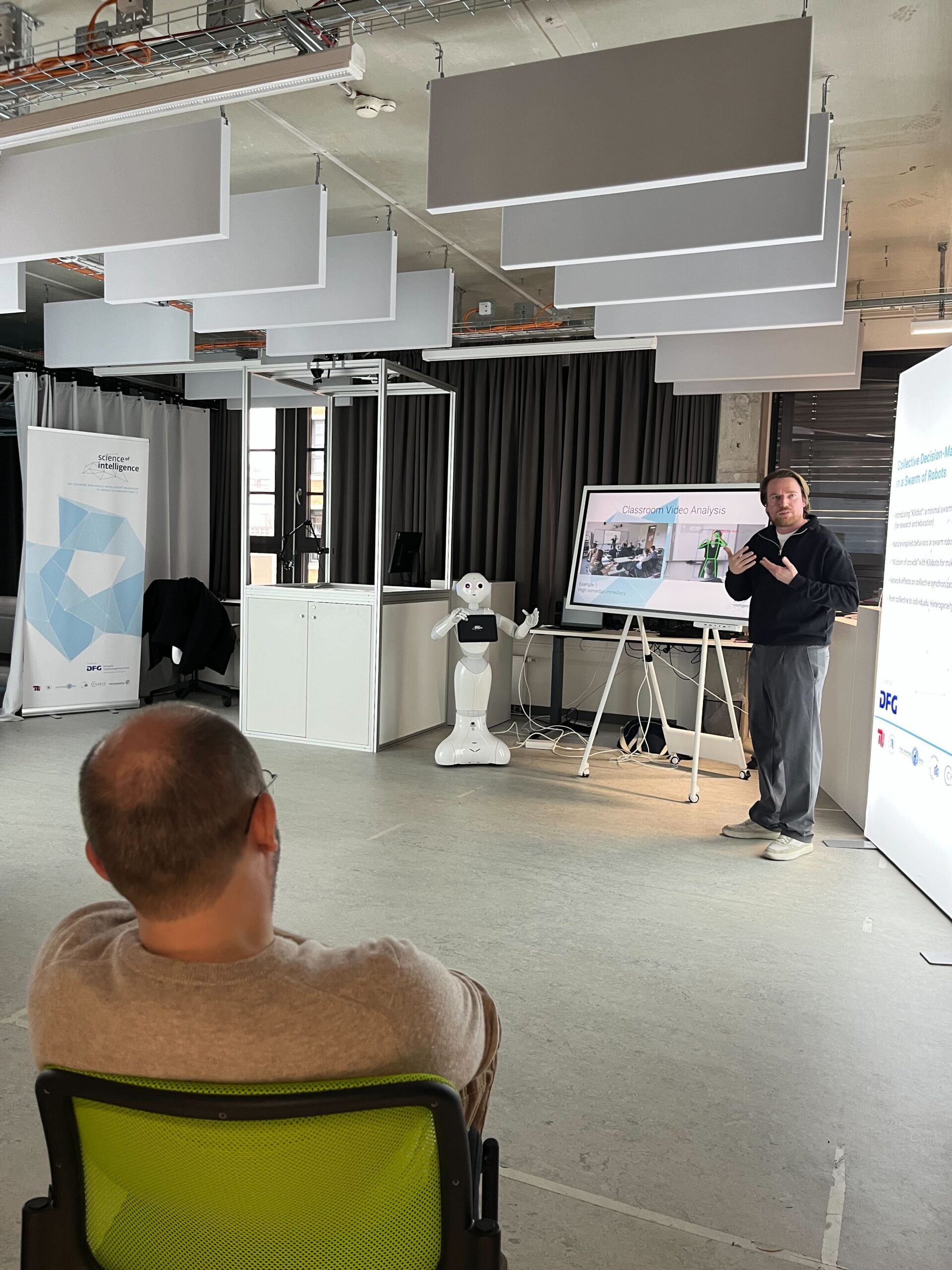
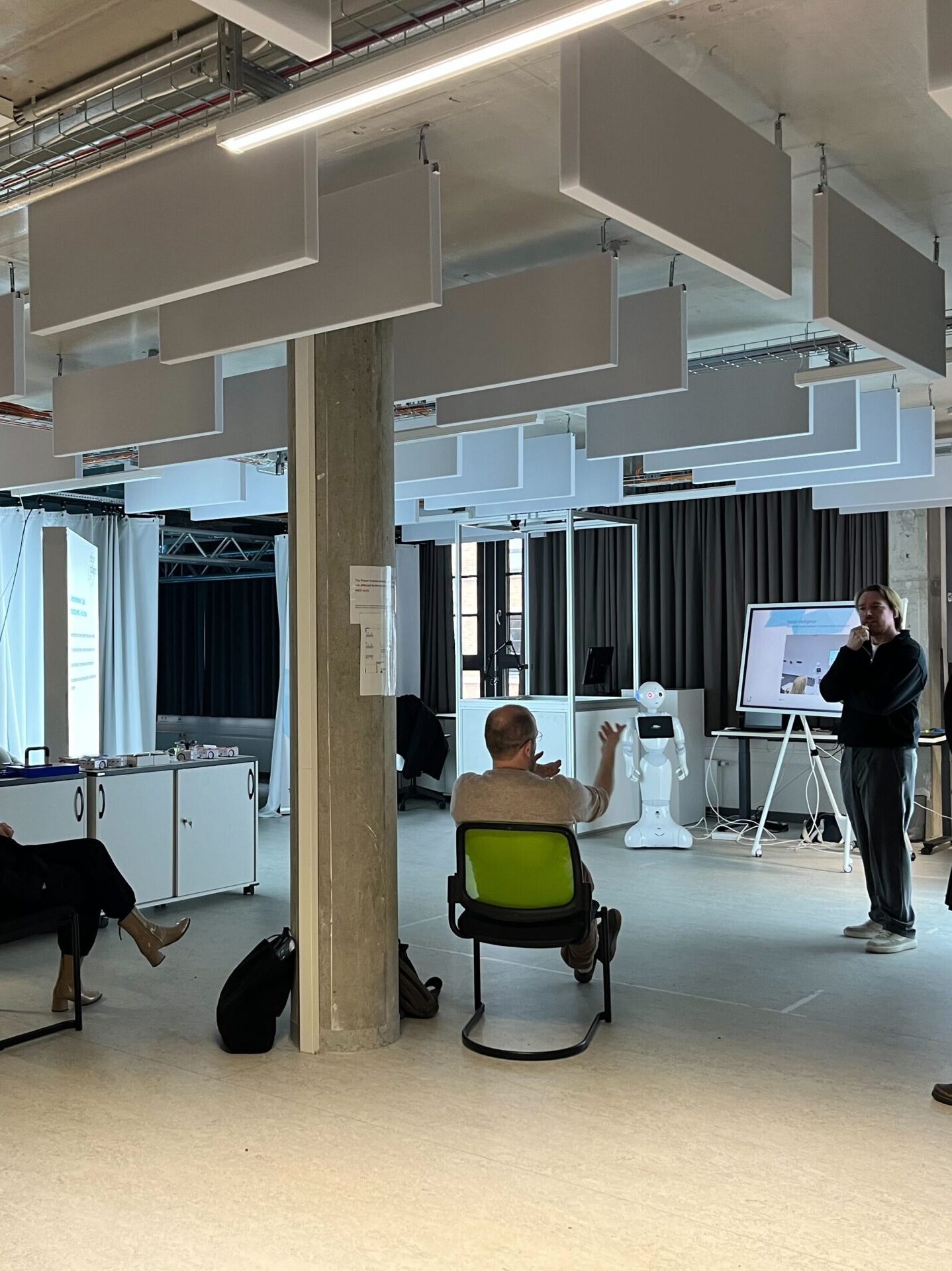
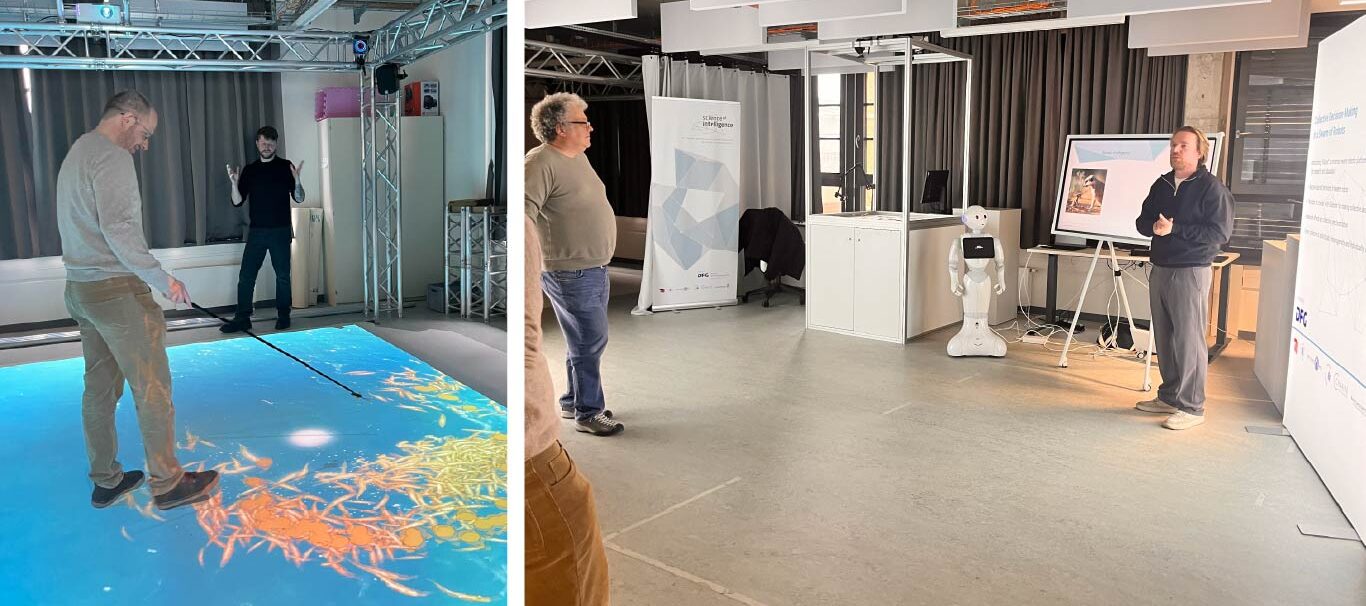
The visit also highlighted a space at SCIoI that has developed significantly over time. While the large-scale Interactive Intelligence Research Discovery Lab originally envisioned for SCIoI 2 could not be realized as planned, the SCIoI Capek Lab has evolved into a compact and effective in-lab showroom for presenting the cluster’s research.
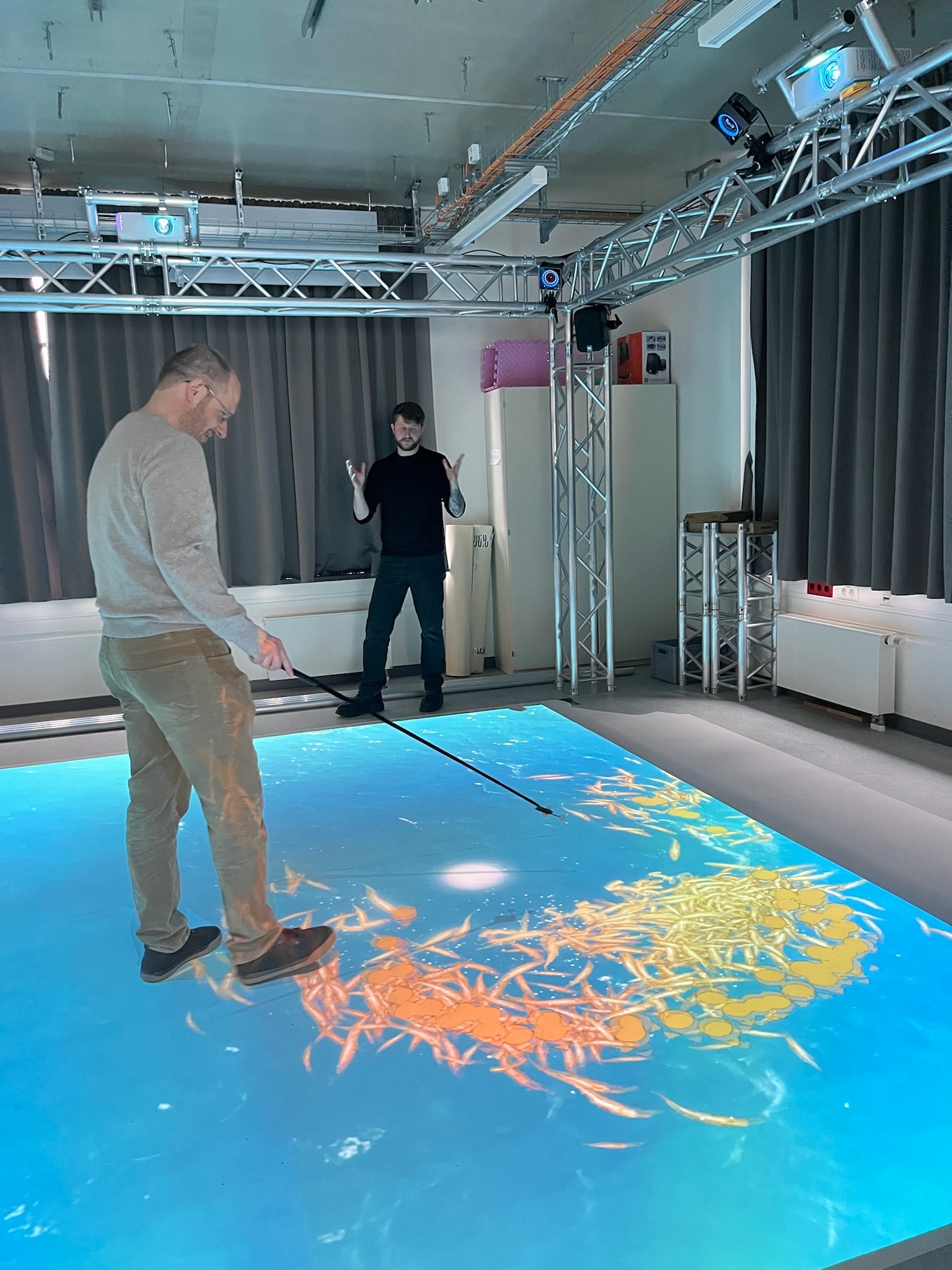
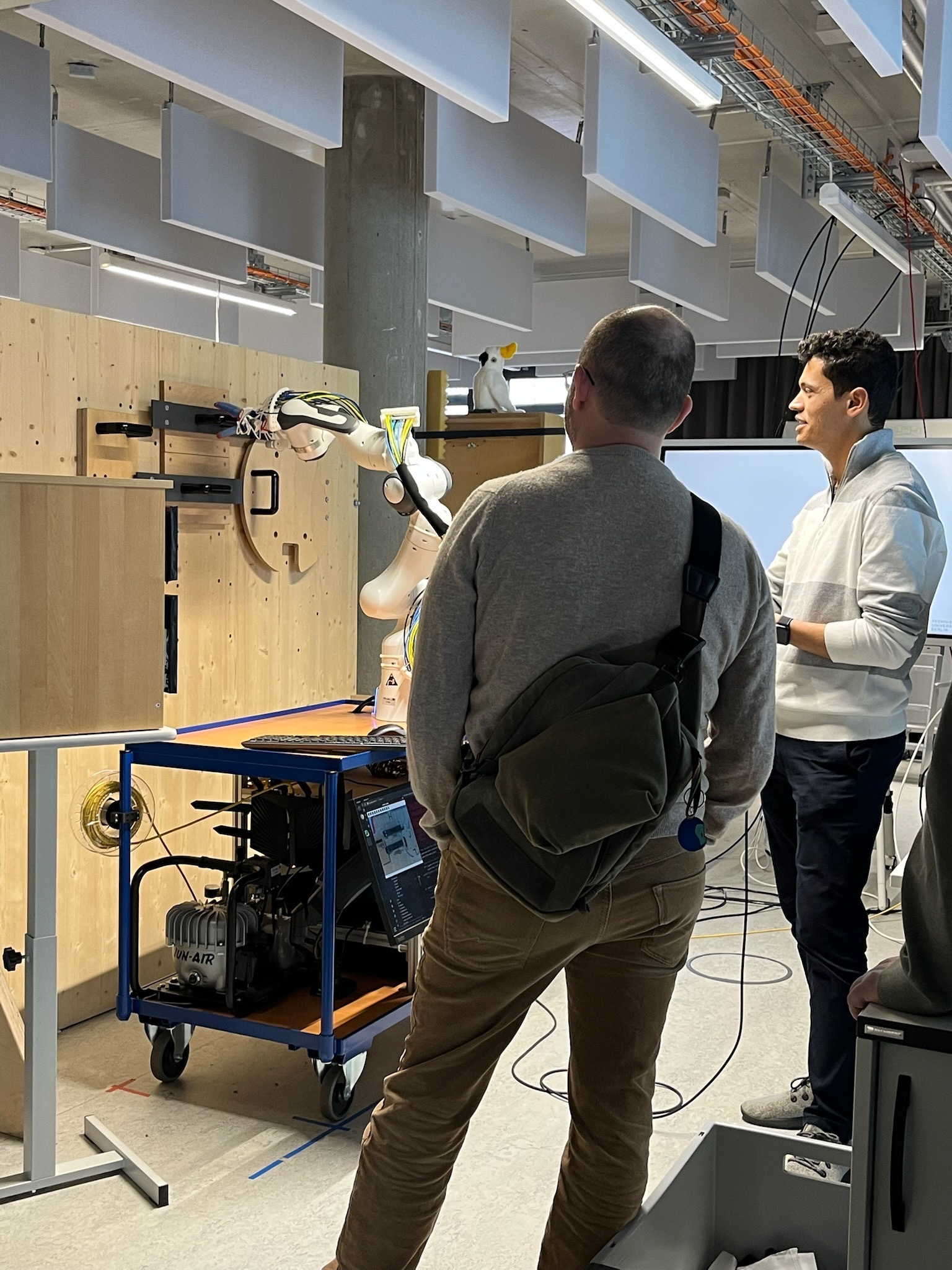
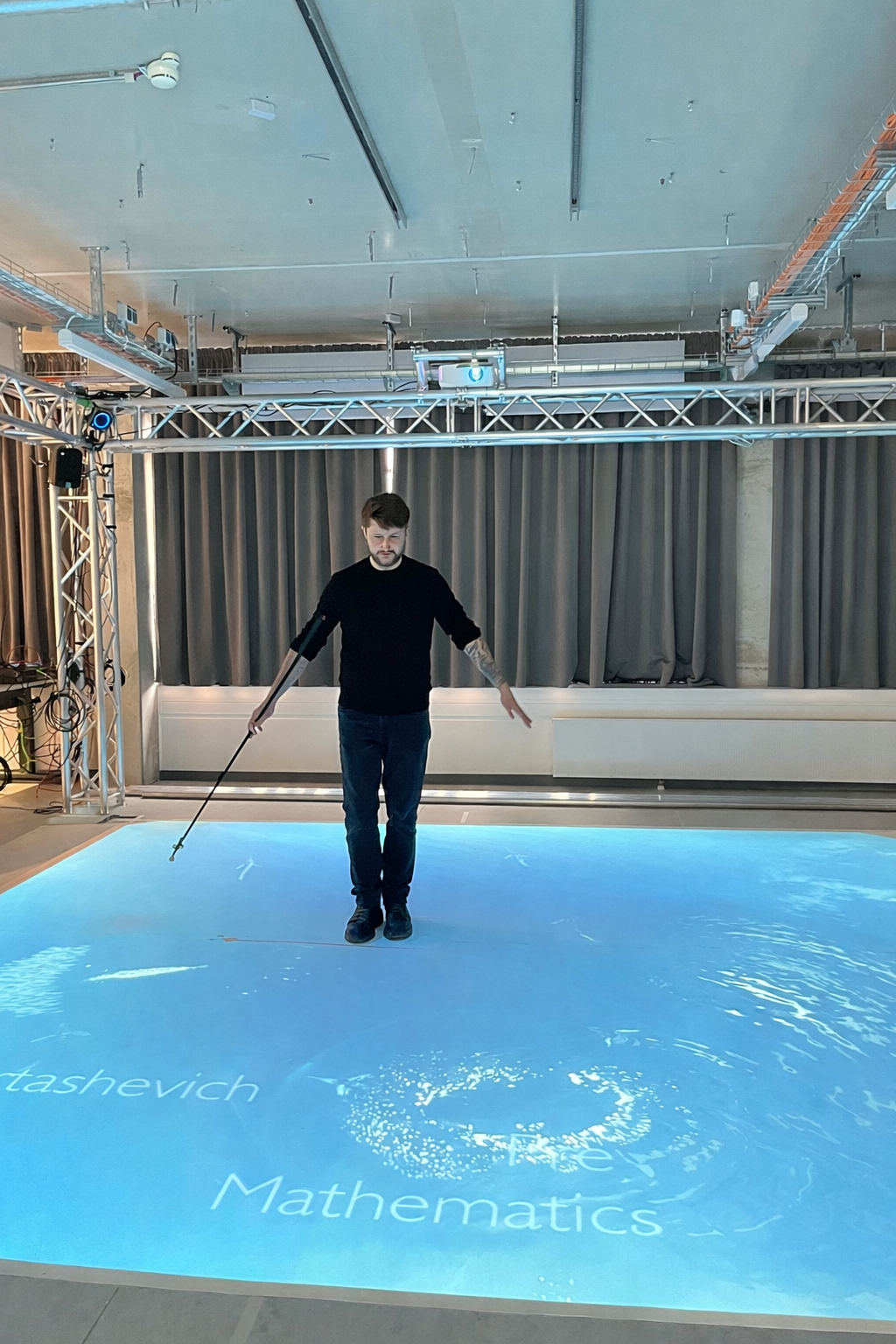
The space now allows visitors from different backgrounds to engage directly with research demonstrators. Humanoid robots, robotic arms solving mechanical lockboxes, and projections inspired by augmented-reality fish collectives make core research questions physically visible. Rather than presenting intelligence solely through slides or publications, the lab offers an environment where systems can be observed in action.
Importantly, the space remains a functioning research lab. The showroom aspect does not replace scientific work; it makes ongoing work accessible. Visitors see experimental setups as they are used, which often leads to concrete discussions about perception, coordination, embodiment, and collective behavior.