• Thursday Morning Talk

    Dimitri Coelho Mollo (SCIoI), “Modelling Intelligence: The Good, the Bad, and the Plural”

    Abstract:  I argue that artificial intelligence research has been both fuelled and hindered by the use of ‘model tasks’, that is, tasks the solution of which are taken to be sufficient for, or at least indicative of intelligence. Before AI proper, cybernetics explored model tasks involving basic real-time and world-involving action control aimed at the

  • External Event

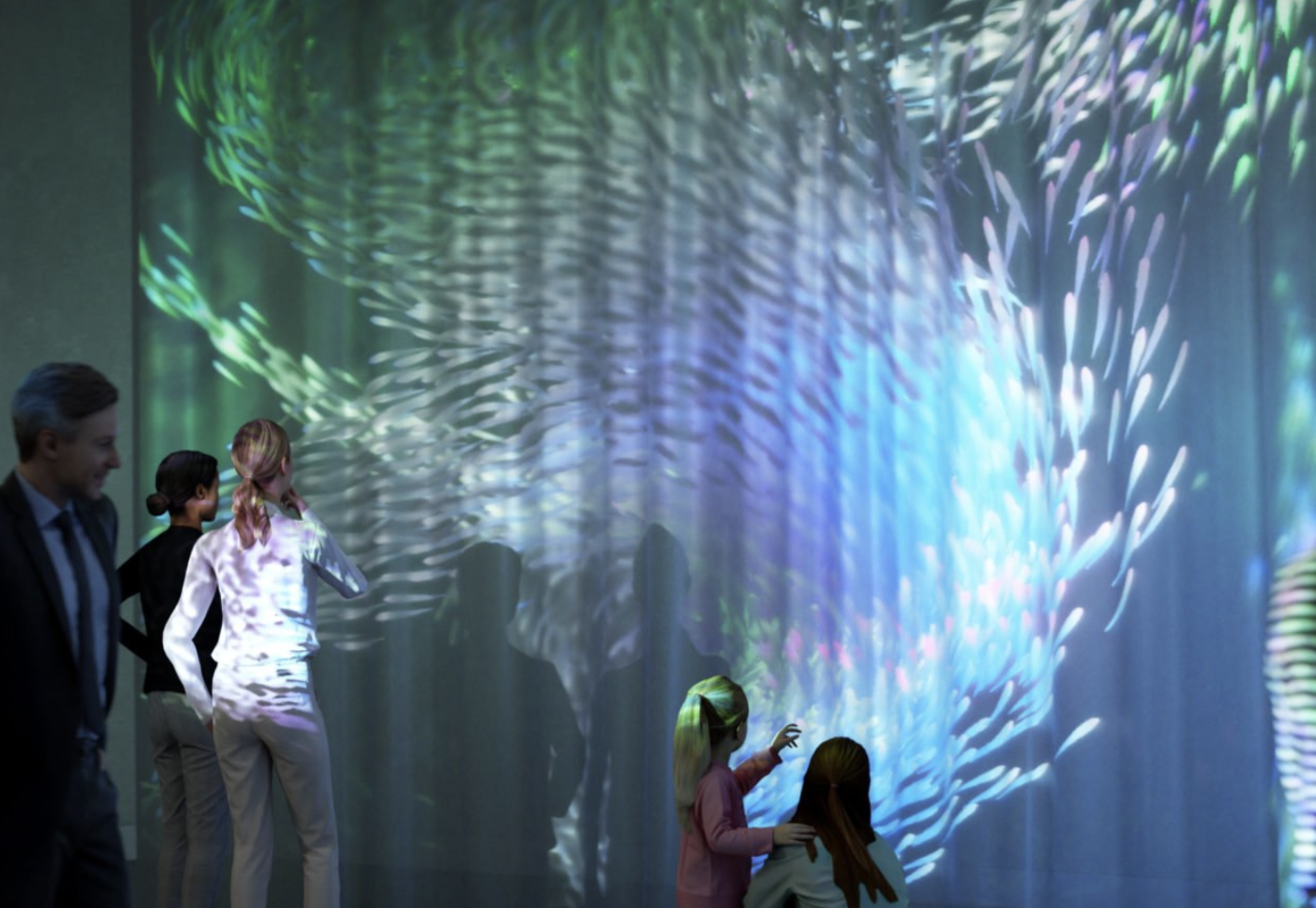
    Opening of the Humboldt Labs Exhibition “After Nature”

    Come see our videos and materials at the exhibition "After Nature" at the brand-new Humboldt Forum! Entry is free for everyone, so we hope to see you all there on 20 July! Tickets for the exhibitions will be available from 13 July 2021. You can book your ticket online or via +49 30 99 211 89

  • External Event

    Workshop for Early-Career Researchers: “How To Review in Interdisciplinary Research”

    One major part of the scientific workflow is the publication of scientific results. An essential step on the way to the published item is the peer-review process, in which other scientists evaluate submitted work. Their views, recommendations and critique often strongly influence the decision of whether a submitted item is published or not. We assume

  • External Event

    SCIoI Open Day

    Interested in SCIoI's activities? Want to know more about how to apply for a research position at SCIoI? At this all-digital event, prospective applicants as well as other interested persons can visit the cluster, have a (virtual) look around the spaces and facilities, meet researchers and staff, and get a general feel for the place.

  • Thursday Morning Talk

    Tina Klüwer (Science of Intelligence), AI Director Science & Startups

    On Zoom

    Through a talk followed by a discussion and Q&A, AI Director at Science & Startups Tina Klüwer will explore the joint programmes and resources offered by Berlin's universities to those wishing to successfully start and develop a company, also explaining what support is available. BIO: Dr. Tina Klüwer is a recognized expert, manager and technical

  • PI Lecture

    Tim Landgraf (Science of Intelligence), “The Hidden Shallows of Explaining Deep Models”

    Abstract: In the cognitive-, behavioral- or neuro-sciences we often match a computational model to observations and then, analyzing the model, hope to find results that generalize to the underlying system. With deep neural networks (DNNs) quite powerful function approximators are available that can be fitted to huge data sets, accelerated by cheap hardware and elaborate

  • External Event

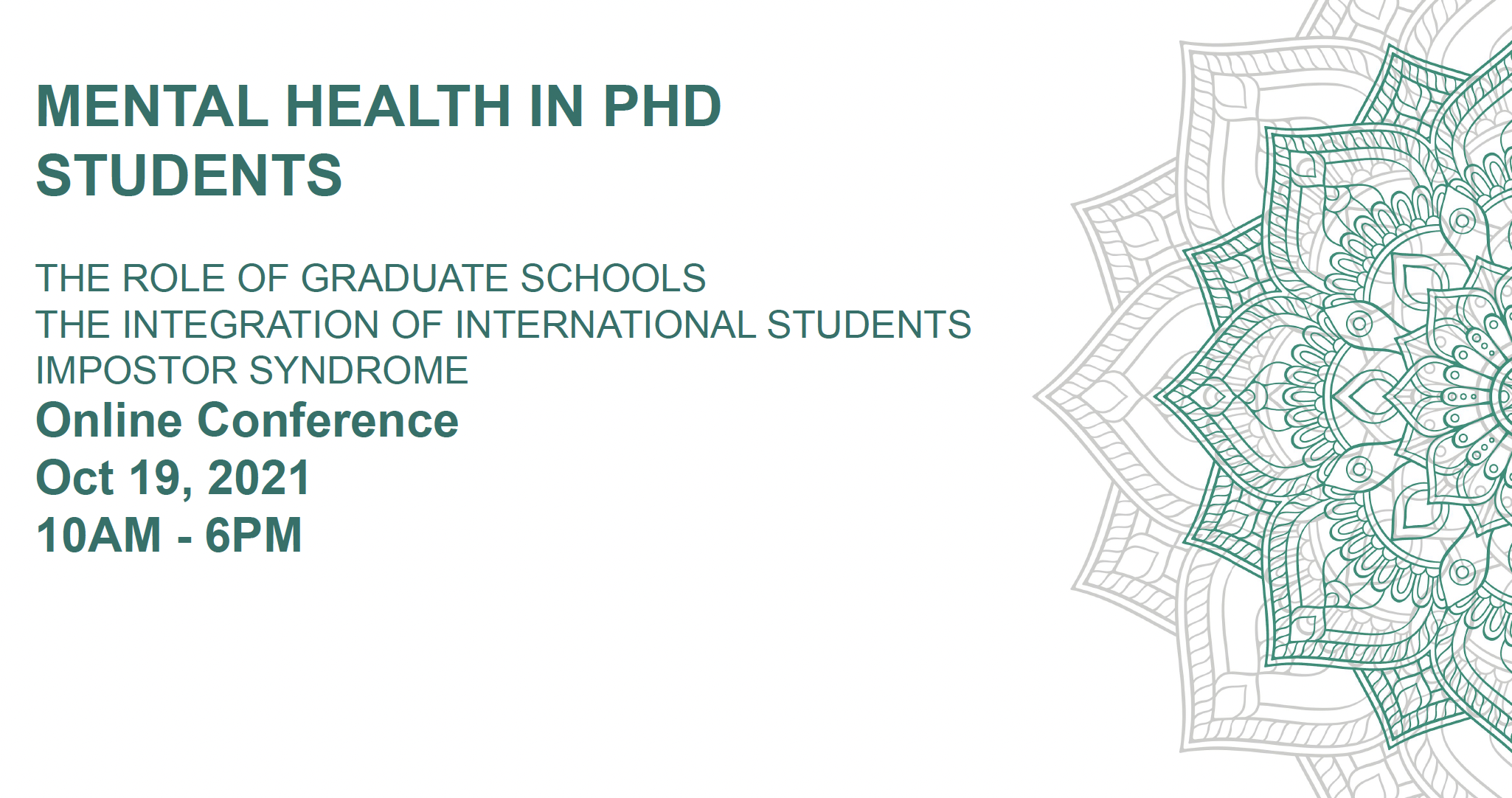
    Mental Health in PhD Students. The Role of Graduate Schools, the Integration of International Students and Impostor Syndrome

    On Zoom

    Scholar Minds, in collaboration with Science of Intelligence and the Berlin School of Mind and Brain, would like to invite you to a special conference on the topic "Mental Health in PhD students: The role of graduate schools, the integration of international students and impostor syndrome". The event will take place online on October 19th

  • Distinguished Speaker Series

    Cameron Buckner (Univ. of Houston), Imagination and the Prospects for Empiricist Artificial Intelligence

    On Zoom

    Abstract: In current debates over deep-neural-network-based AI, deep learning researchers have adopted the mantle of philosophical empiricism and associationism, and its critics have taken up the side of philosophical rationalism and nativism.  These rationalist critics, however, often interpret associationism and empiricism in a way which is too caricatured to fit the views of any significant

  • For the Public

    Berlin Science Week Talk, Guillermo Gallego: Giving Robots T-Rex-Inspired Eyes

    On Zoom

    Ever heard of neuromorphic cameras? They are bio-inspired sensors that mimic the transient visual pathway. These cameras do not acquire pictures or full images as a normal video camera. Instead, they sense only intensity changes at every pixel as they occur with microsecond resolution (called “events” or “spikes”). These cameras offer many advantages compared to

  • For the Public

    Berlin Science Week Talk, David Bierbach: Just Be Yourself! How Individual Differences Shape Collective Behavior. Using a Robotic Fish To Understand Collective Behavior

    Naturkundemuseum

    Do genetically identical individuals living in the same environment develop identical behaviors? And what role does individuality play in shaping the collective behavior of a flock of birds or a school of fish? In this talk, David Bierbach will present results from fascinating experiments with a clonal fish, the Amazon molly (Poecilia formosa), to test whether near-identical