Admissions 2020
Symposium and Interviews for prospective (post)doctoral researchers.
Symposium and Interviews for prospective (post)doctoral researchers.
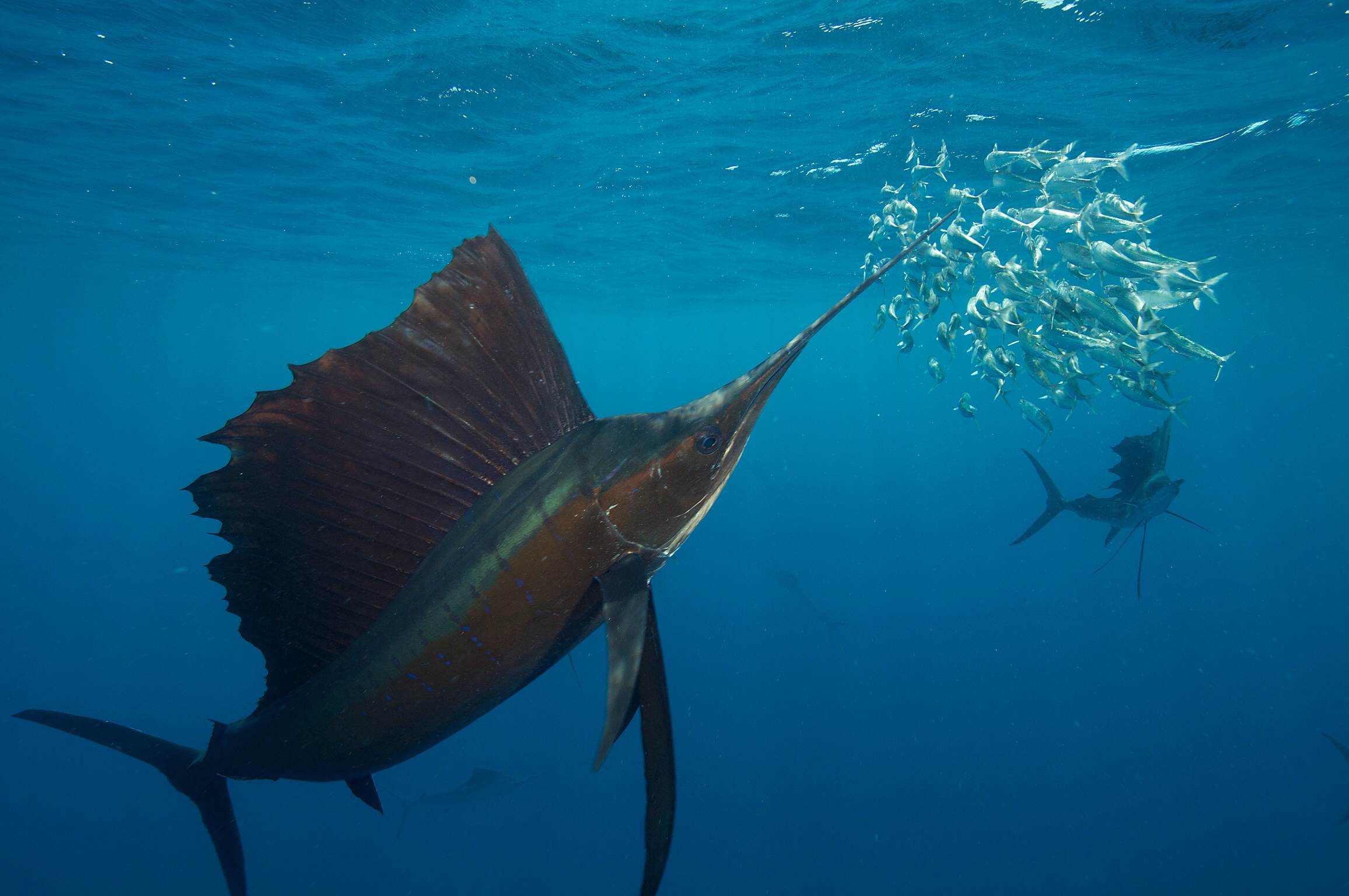
On SCIoI faculty member Professor Jens Krause will open this year's lecture series with a talk on swarm intelligence: "Ob Mensch oder Tier: Warum der Schwarm intelligenter ist als der
SCIoI faculty member Miriam Kyselo and philosopher Joerg Fingerhut (Einstein Group „Consciousness, Emotions, Values“) take part in a discussion chaired by Andreas Sentker (the ZEIT-Wissen chief editor) about the role
PI Lecture Series Abstract: The biological perspective on intelligence is well represented by the following quotes: “Is it not reasonable to anticipate that our understanding of the human mind would
The concept of intelligence in cognitive science has been highly elusive. One pragmatic approach to understanding intelligence is to use classical intelligence tests, such as the Wechsler Adult Intelligence Scale
Henry Shevlin is a research associate at the Leverhulme Centre for the Future of Intelligence (Cambridge). He did his PhD at CUNY Graduate Center in New York with a thesis
Career Day for Doctoral Researchers 2020, Bildquelle: Carolina Valsecchi Gillmeister On February 18, 2020 the Humboldt-Universität zu Berlin will host the next career day for doctoral candidates. The event
Winter School Keynote Lecture: Oliver Brock (Cluster Science of Intelligence, TU Berlin) Cluster Speaker Prof. Dr. Oliver Brock will deliver the keynote lecture at this year's Winter School Ethics and
Thursday Morning Lectures Abstract: Generalization and adaptation of learned skills to novel situations is a core requirement for intelligent autonomous robots. Although contextual reinforcement learning provides a principled framework for
Abstract: Are humans unique? If so, which cognitive and communication skills characterize human beings? Are these characteristics universal, or do they vary depending on the individual's social, ecological, and cultural
"Boost your experiments!" The ScioI cluster provides for several post-doc level research positions for improving scientific integration across disciplines, as well as for advancing the level of sophistication in experiments
Abstract: Implicit or explicit assumptions which used to guide our empirical study of visual perception have started to be called into question. We would like to share this observation with
Marchstr. 23 – MAR 5-2
10587 Berlin
Email: info@scioi.de
Tel: +49 30 314 70660