• Kou Murayama (Universität Tübingen), “A Reward-Learning Framework of Knowledge Acquisition: How We Can Integrate the Concepts of Curiosity, Interest, and Intrinsic-Extrinsic Rewards.”

    Distinguished Speaker Series
    On Zoom

    Recent years have seen a considerable surge of research on interest-based engagement, examining how and why people are engaged in activities without relying on extrinsic rewards. However, the field of inquiry has been somewhat segregated into three different research traditions which have been developed relatively independently --- research on curiosity, interest, and trait curiosity/interest. The
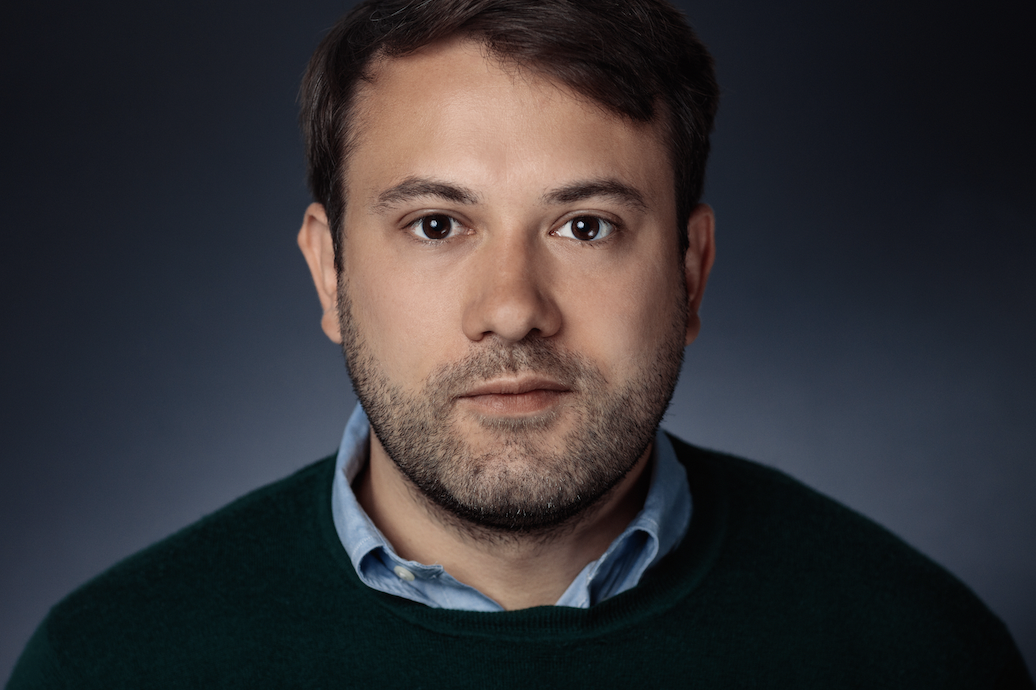

  • Rasmus Rothe, PhD (Merantix), “How To Build a (Deep Tech) Startup”

    Thursday Morning Talk
    On Zoom

    Abstract: Rasmus Rothe is Co-Founder at Merantix, the Artificial Intelligent Venture Studio. In this talk he will give insight into how a deep tech startup is built via ideation, incubation and scaling, and the specifics and challenges of working with technology AI in the process. BIO: Rasmus Rothe is the co-founder and CTO of Berlin-based Merantix,

  • Guillermo Gallego (Science of Intelligence), “Current Status of Event-Based Vision Research”

    PI Lecture

    Abstract: Event-based cameras, also called neuromorphic cameras or silicon retinas, are novel vision sensors that mimic functions from the human retina and offer potential advantages over traditional cameras (low latency, high speed, high dynamic range, bandwidth savings, low power, etc.). My previous talk was about event-based cameras for Spatial AI. In this talk I will

  • Dimitri Coelho Mollo (SCIoI), “Modelling Intelligence: The Good, the Bad, and the Plural”

    Thursday Morning Talk

    Abstract:  I argue that artificial intelligence research has been both fuelled and hindered by the use of ‘model tasks’, that is, tasks the solution of which are taken to be sufficient for, or at least indicative of intelligence. Before AI proper, cybernetics explored model tasks involving basic real-time and world-involving action control aimed at the

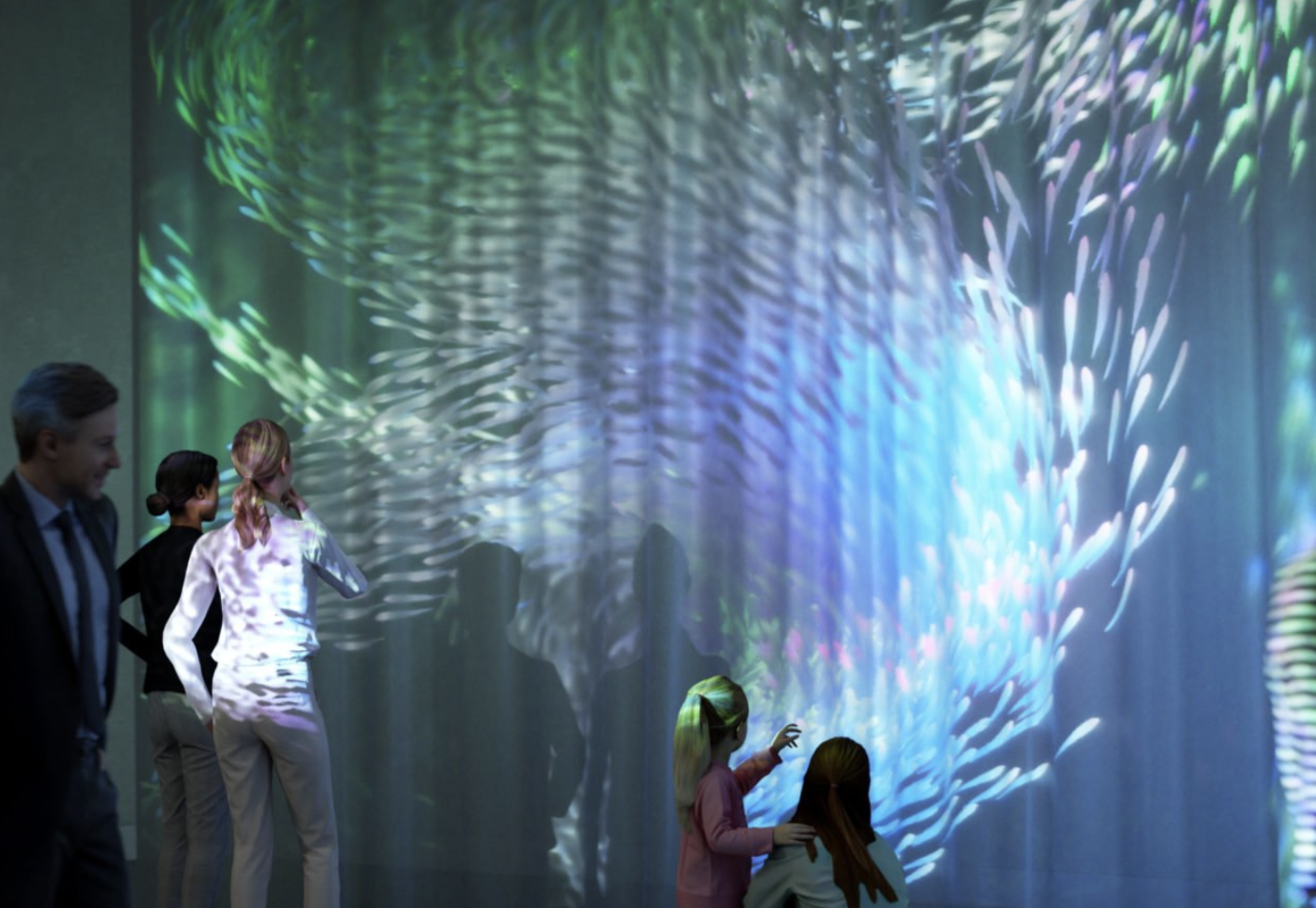
  • Opening of the Humboldt Labs Exhibition “After Nature”

    External Event

    Come see our videos and materials at the exhibition "After Nature" at the brand-new Humboldt Forum! Entry is free for everyone, so we hope to see you all there on 20 July! Tickets for the exhibitions will be available from 13 July 2021. You can book your ticket online or via +49 30 99 211 89

  • Workshop for Early-Career Researchers: “How To Review in Interdisciplinary Research”

    External Event

    One major part of the scientific workflow is the publication of scientific results. An essential step on the way to the published item is the peer-review process, in which other scientists evaluate submitted work. Their views, recommendations and critique often strongly influence the decision of whether a submitted item is published or not. We assume

  • SCIoI Open Day

    External Event

    Interested in SCIoI's activities? Want to know more about how to apply for a research position at SCIoI? At this all-digital event, prospective applicants as well as other interested persons can visit the cluster, have a (virtual) look around the spaces and facilities, meet researchers and staff, and get a general feel for the place.

  • Tina Klüwer (Science of Intelligence), AI Director Science & Startups

    Thursday Morning Talk
    On Zoom

    Through a talk followed by a discussion and Q&A, AI Director at Science & Startups Tina Klüwer will explore the joint programmes and resources offered by Berlin's universities to those wishing to successfully start and develop a company, also explaining what support is available. BIO: Dr. Tina Klüwer is a recognized expert, manager and technical

  • Tim Landgraf (Science of Intelligence), “The Hidden Shallows of Explaining Deep Models”

    PI Lecture

    Abstract: In the cognitive-, behavioral- or neuro-sciences we often match a computational model to observations and then, analyzing the model, hope to find results that generalize to the underlying system. With deep neural networks (DNNs) quite powerful function approximators are available that can be fitted to huge data sets, accelerated by cheap hardware and elaborate

  • Mental Health in PhD Students. The Role of Graduate Schools, the Integration of International Students and Impostor Syndrome

    External Event
    On Zoom

    Scholar Minds, in collaboration with Science of Intelligence and the Berlin School of Mind and Brain, would like to invite you to a special conference on the topic "Mental Health in PhD students: The role of graduate schools, the integration of international students and impostor syndrome". The event will take place online on October 19th

  • Cameron Buckner (Univ. of Houston), Imagination and the Prospects for Empiricist Artificial Intelligence

    Distinguished Speaker Series
    On Zoom

    Abstract: In current debates over deep-neural-network-based AI, deep learning researchers have adopted the mantle of philosophical empiricism and associationism, and its critics have taken up the side of philosophical rationalism and nativism.  These rationalist critics, however, often interpret associationism and empiricism in a way which is too caricatured to fit the views of any significant