Inside Intelligence Research: A Girls’ Day at SCIoI

What does it actually feel like to study intelligence in a highly interdisciplinary lab?

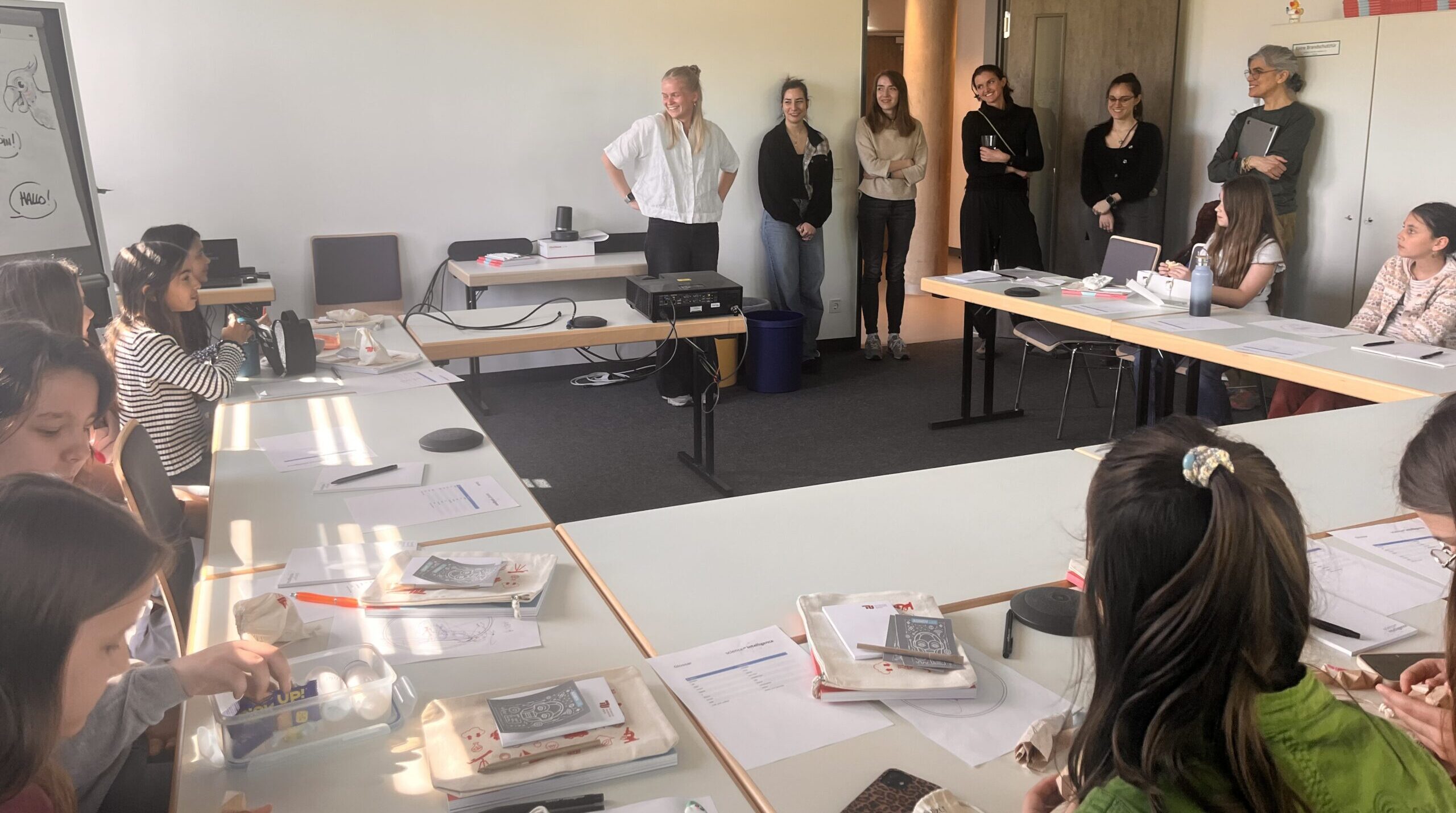
At Science of Intelligence (SCIoI), trying things out is part of everyday research, and for this years’ Girls’ Day, that didn’t change. The only difference was who got to take part.

The girls were dropped straight into the middle of research: Code was written, eyes became output devices, robots reacted, and a digital fish swarm shifted in response to human decisions. The hands-on encounters with researchers and their approach to learning about intelligent behavior in different species offered the girls deep insights.

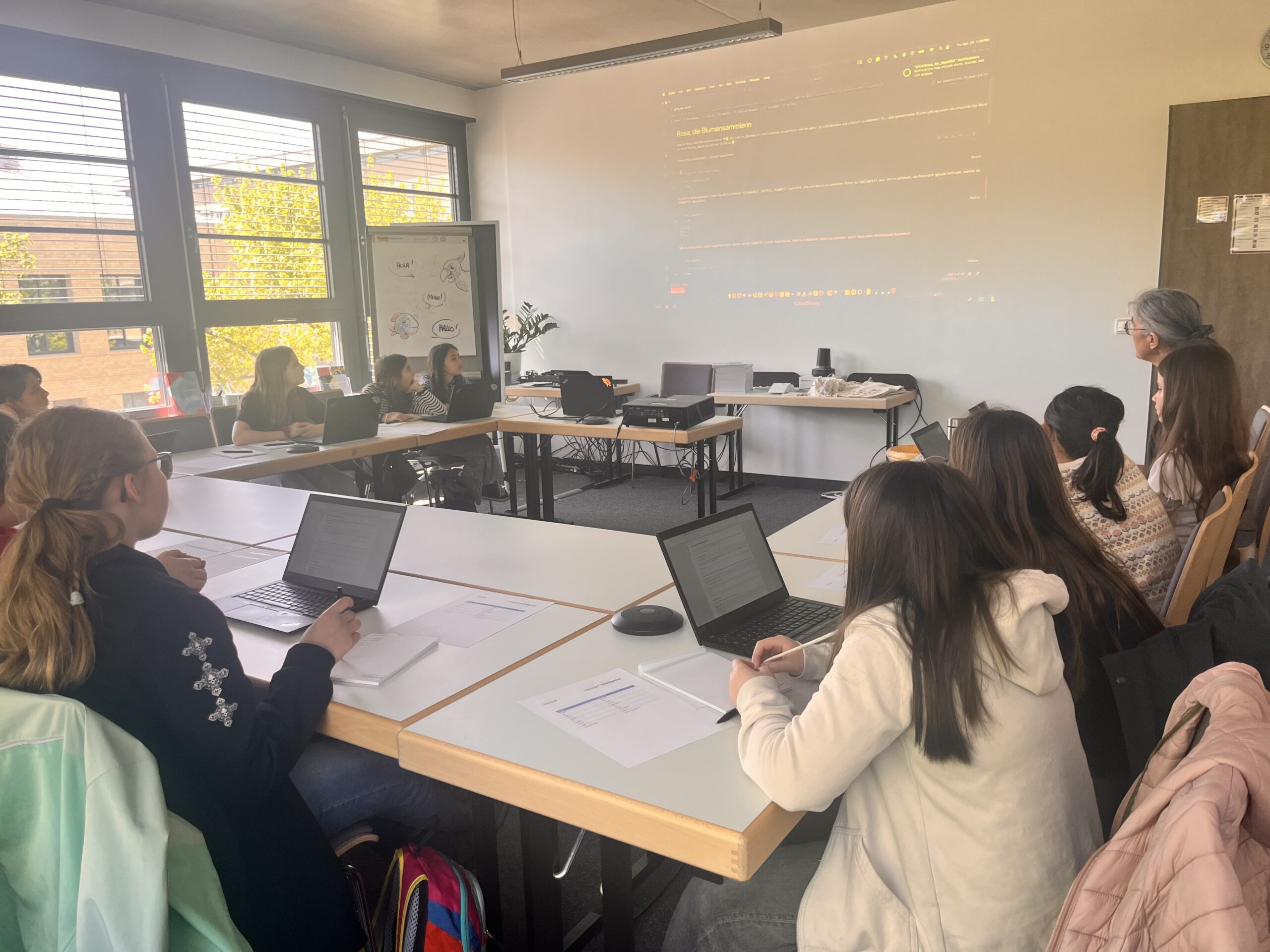
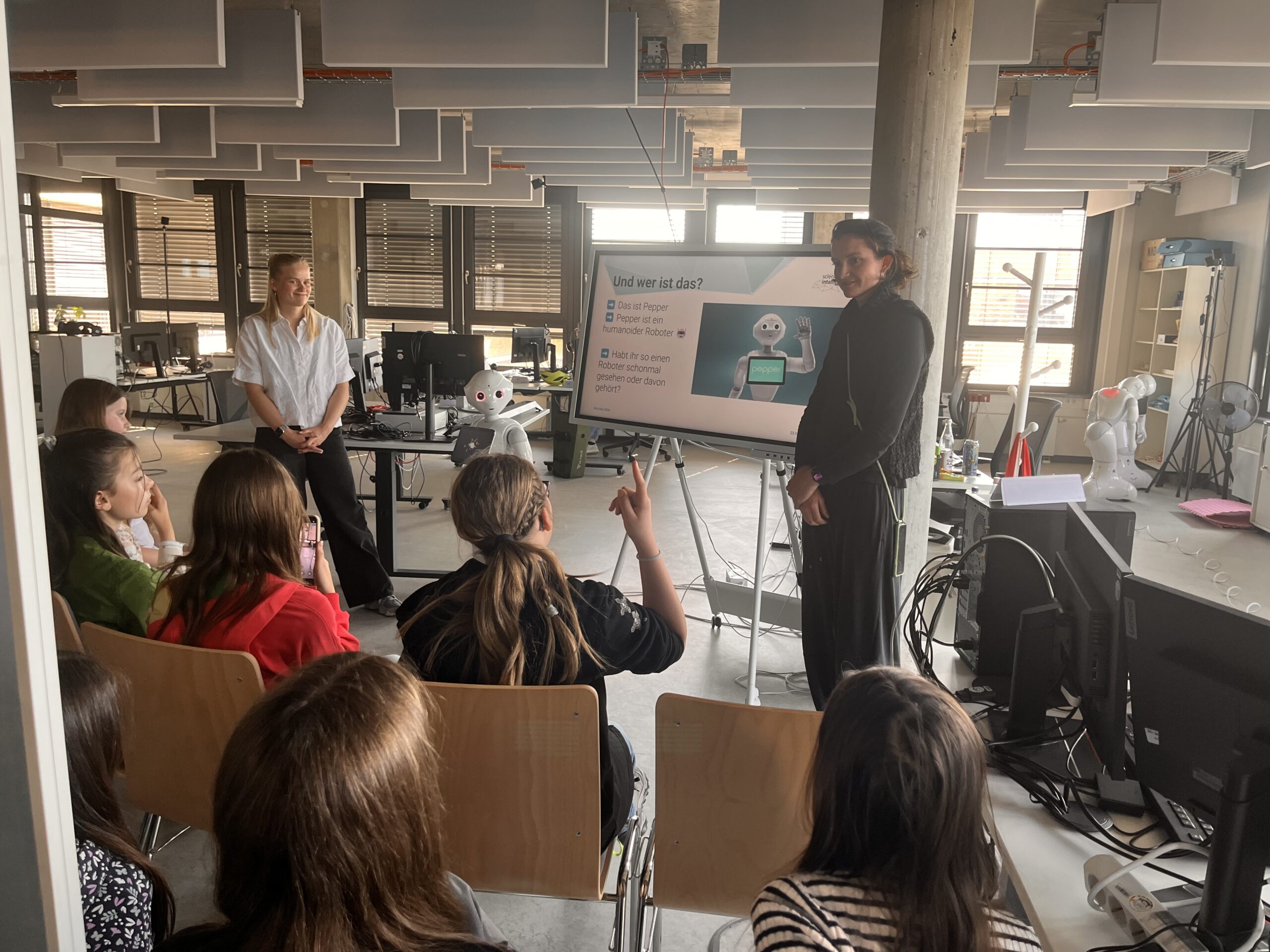
The day began with a short introduction, sketching out what a Cluster of Excellence is and how different disciplines come together at SCIoI. But the focus quickly shifted away from talking about research to experiencing it.

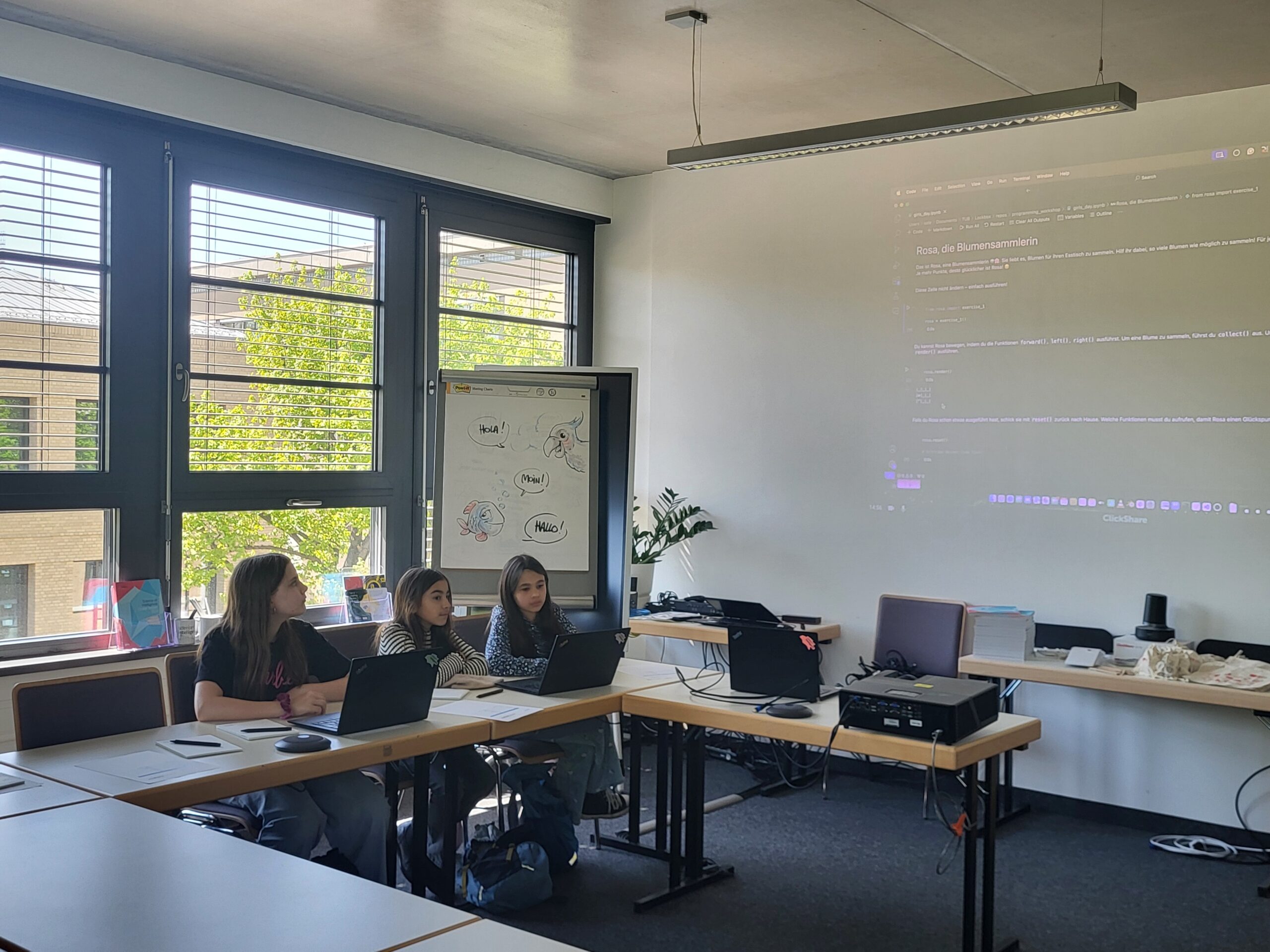
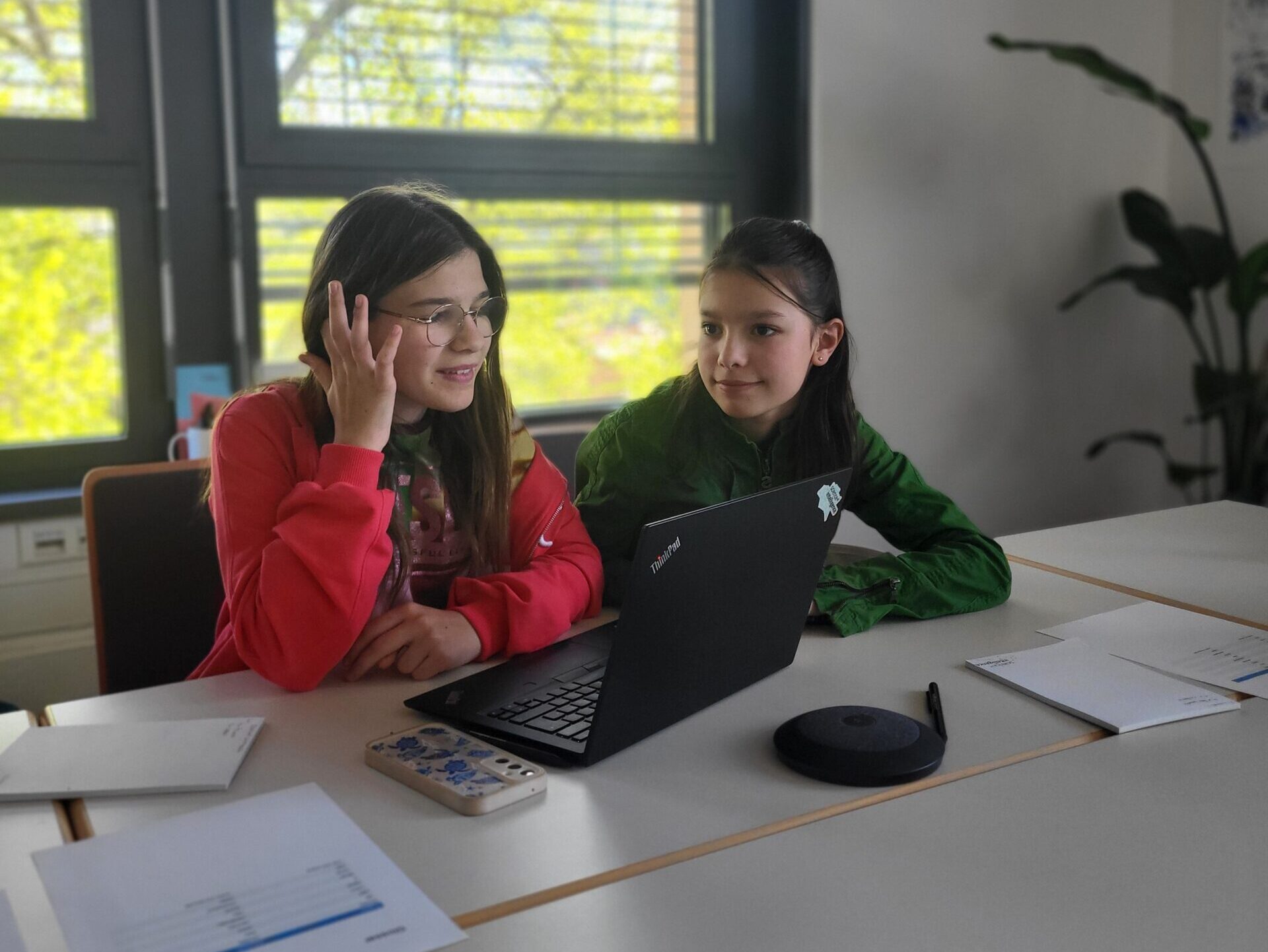
With Sole Traverso, programming was something to explore rather than follow step by step. The girls tested ideas, changed inputs, and saw how machines respond. Sole’s own path into AI reflects that openness: she began in visual arts, worked for years as a software engineer, and is now a doctoral researcher focusing on reinforcement learning.
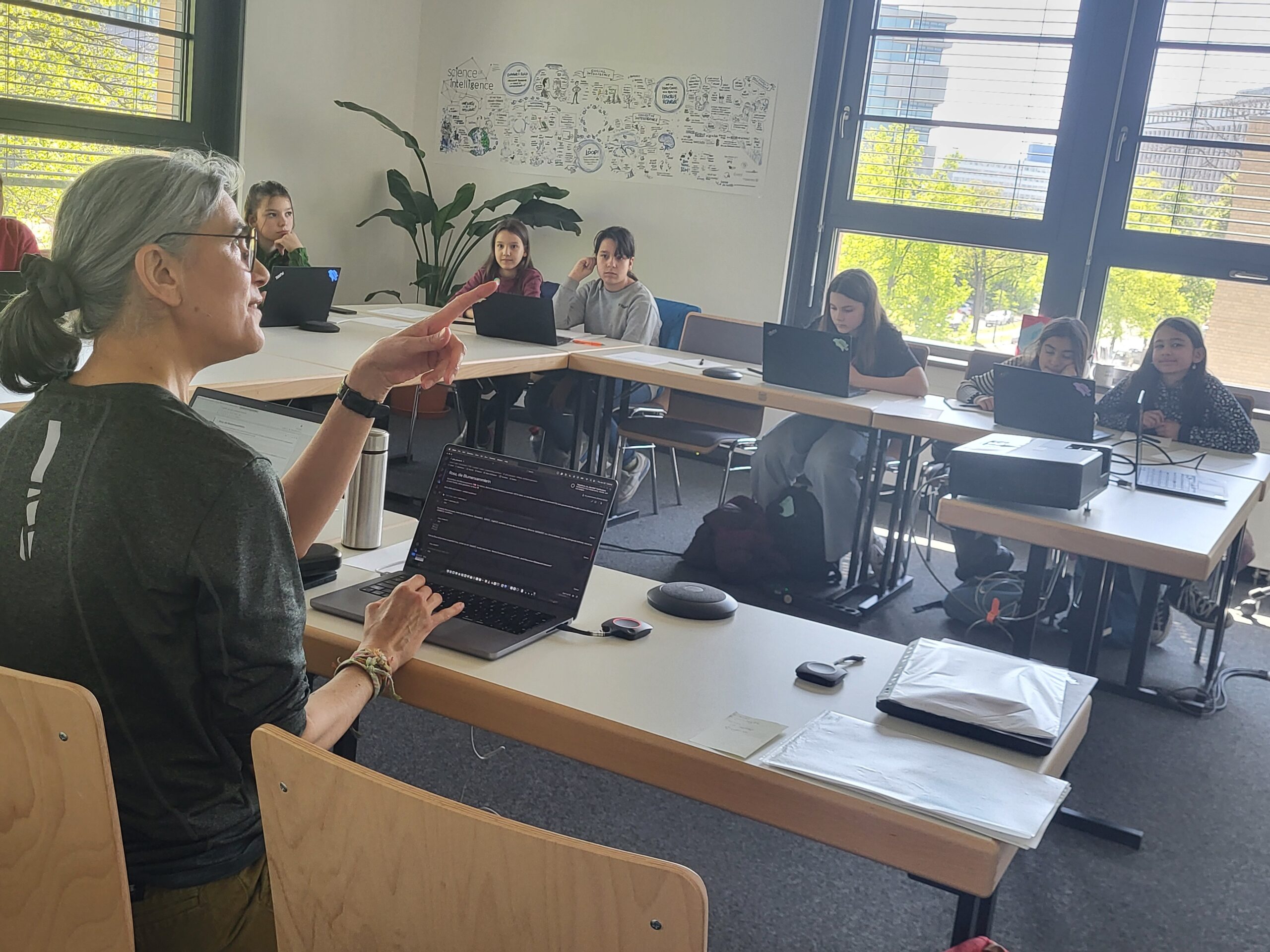
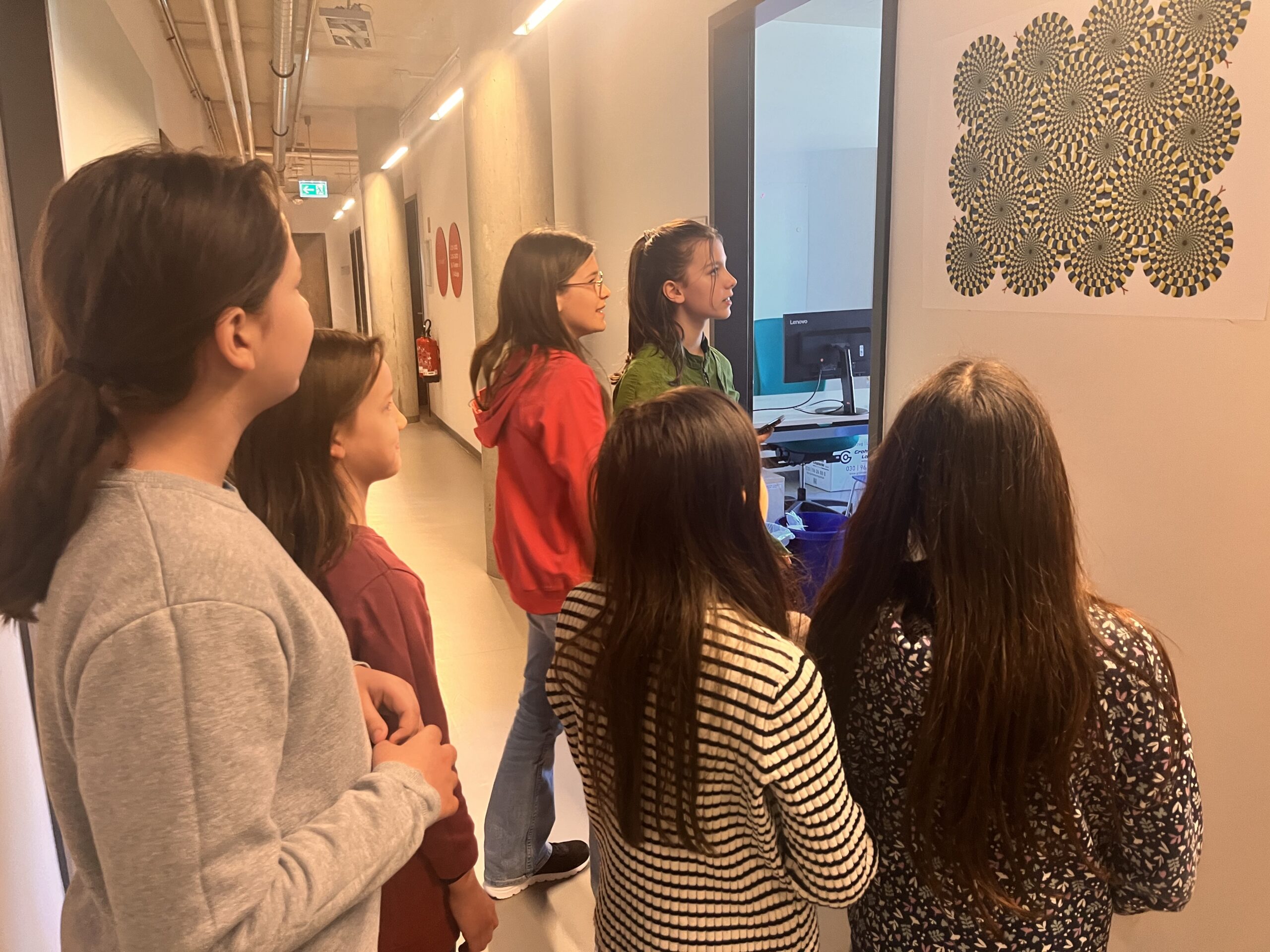
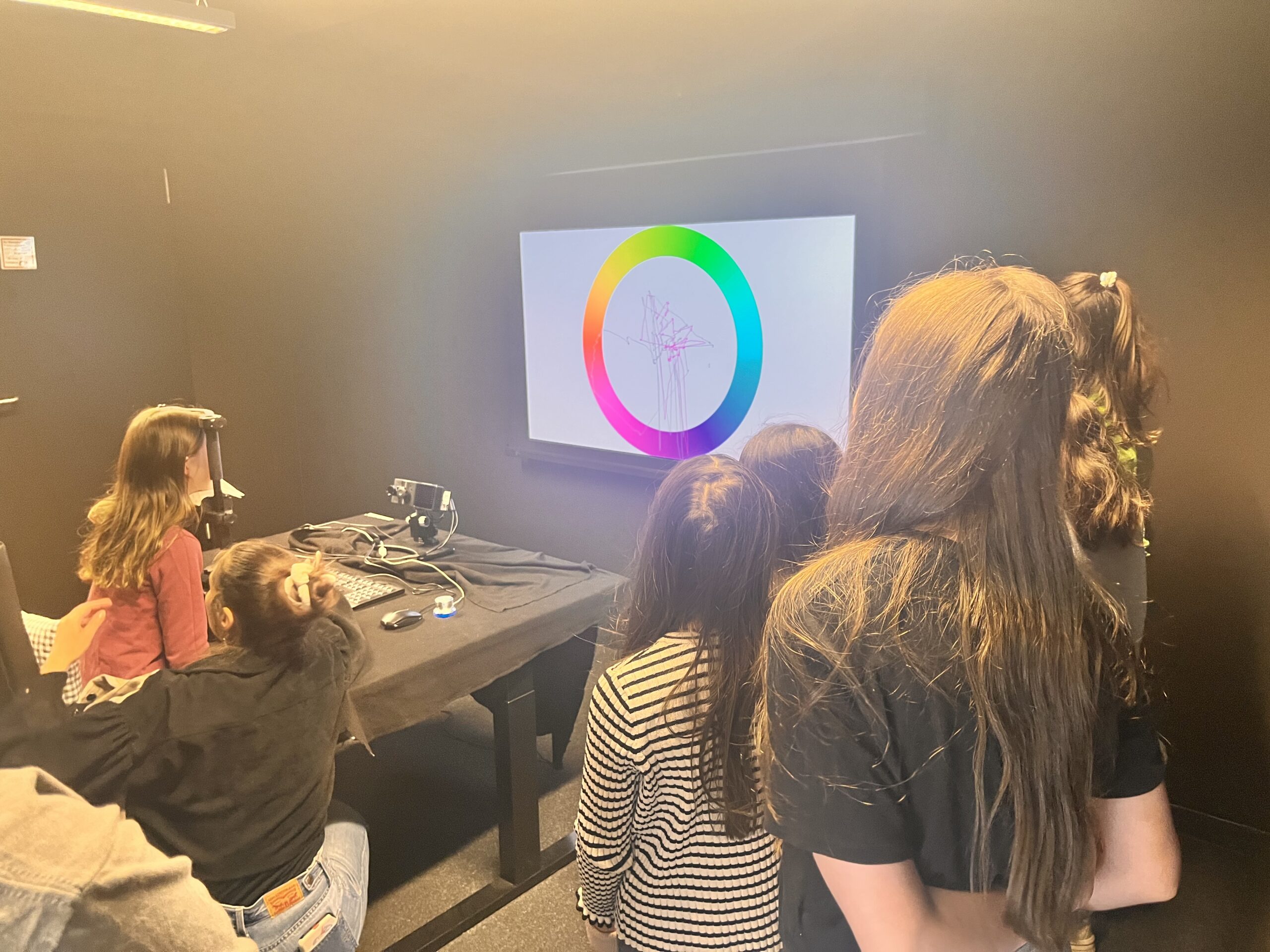
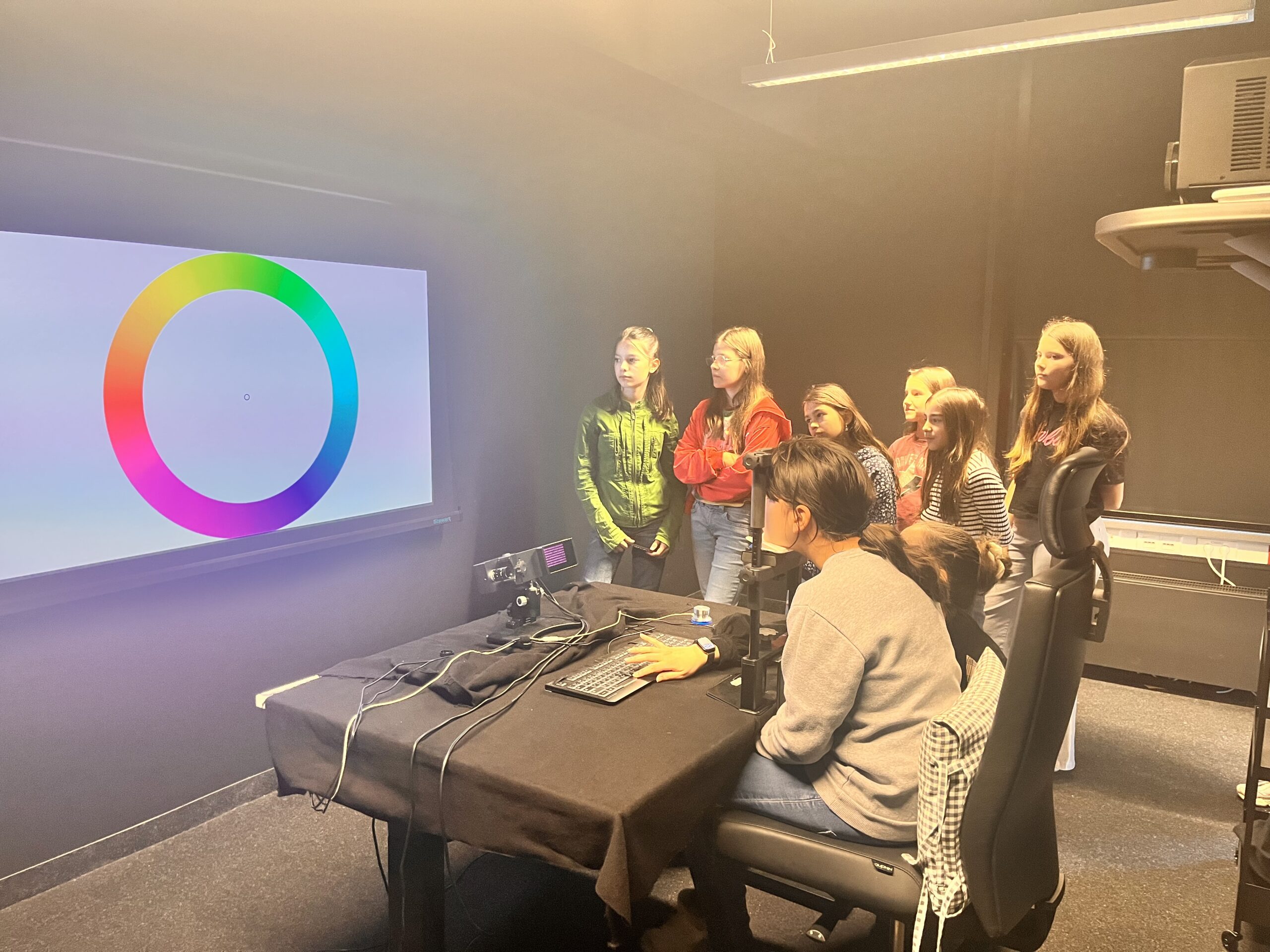
In another session, Julie Ouerfelli-Ethier, Falk Young de Lacerda Tavares and Mathilda Horn worked with eye-tracking. The participants drew on a screen using only their gaze, which quickly made visible how structured and precise eye movements are. Julie, a postdoctoral researcher in vision science and cognitive neuroscience, studies how attention and eye movements are organised. Falk, currently studying humanoid robotics after several years in data engineering, brings in a perspective shaped by moving between fields. Mathilda, who is studying general psychology at the Masters’ level, supported the whole process.

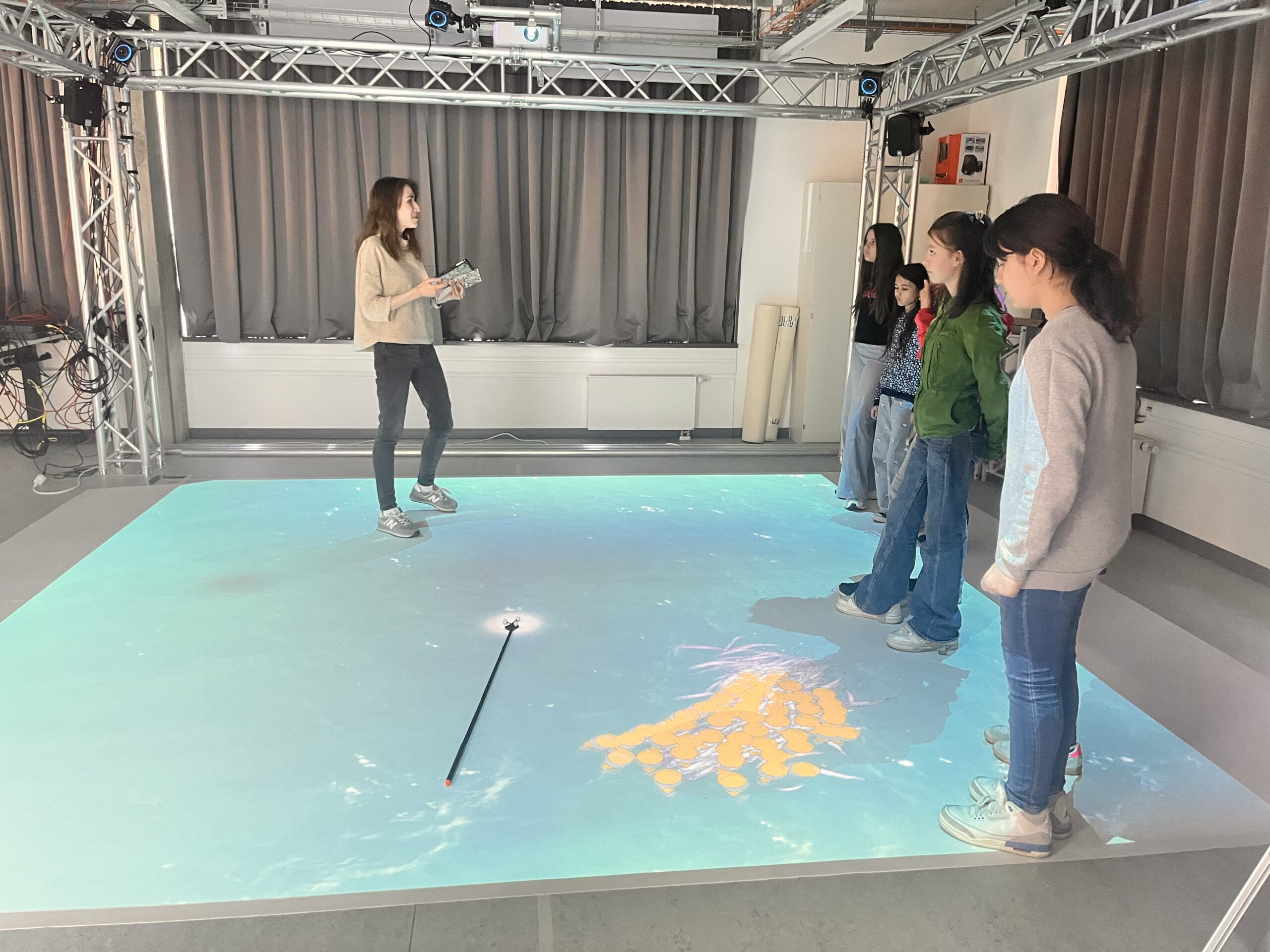
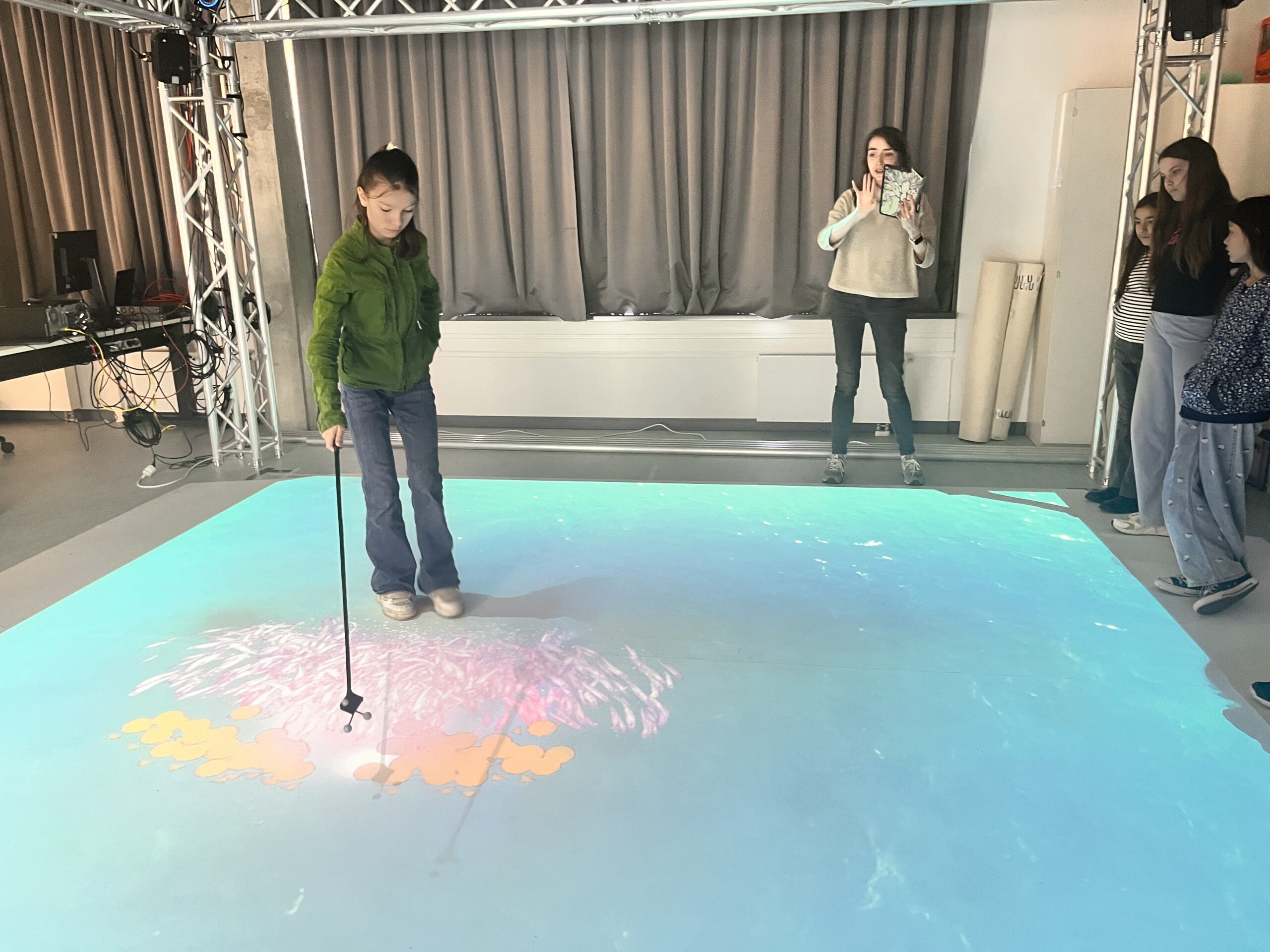
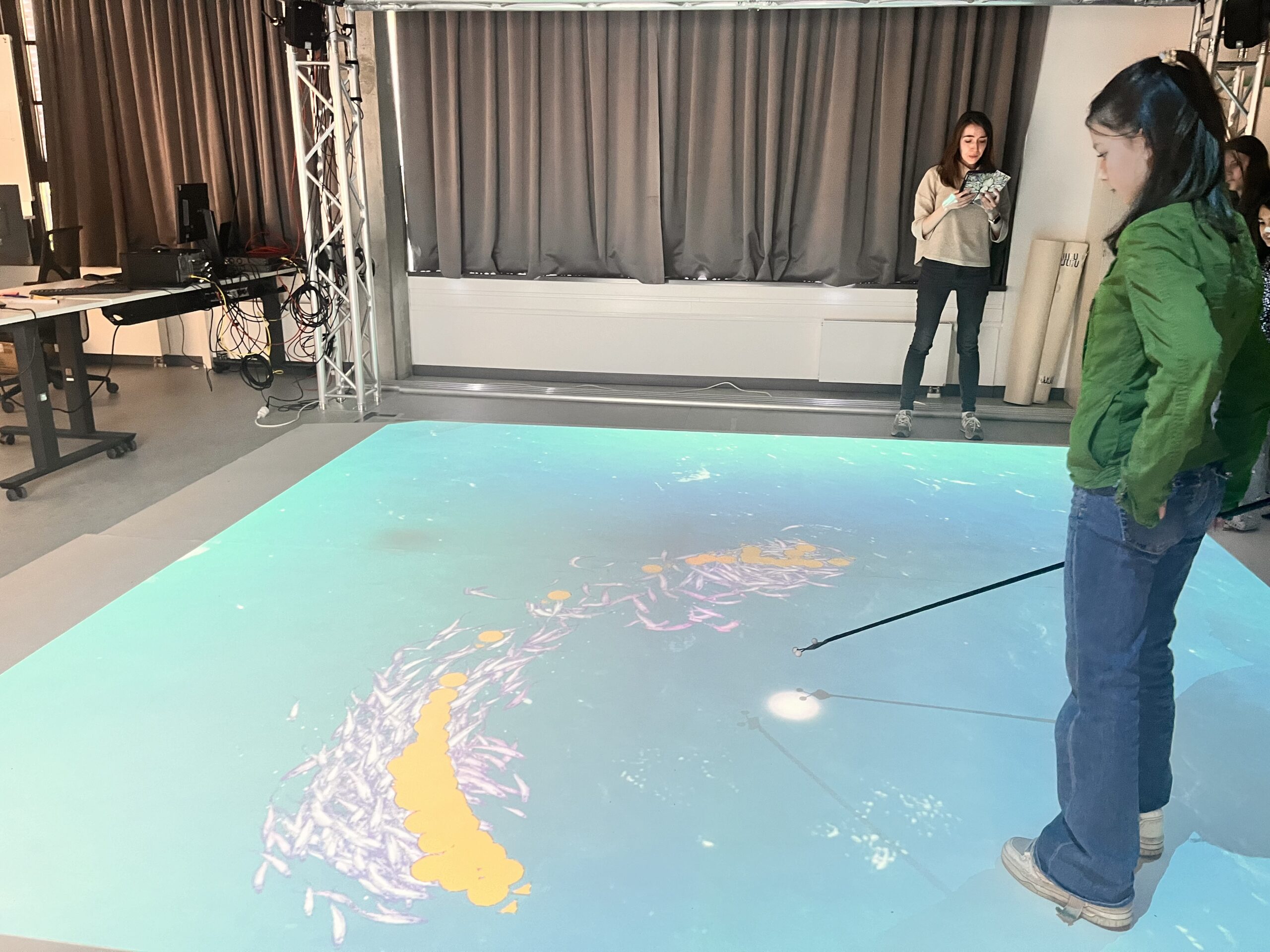
Palina Bartashevich introduced the CoBe fish swarm installation, where a virtual school of fish reacted in real time to the participants’ behaviour. The setup made collective dynamics tangible: how individual actions influence a group. Palina’s research focuses on swarm intelligence in both biological and artificial systems.

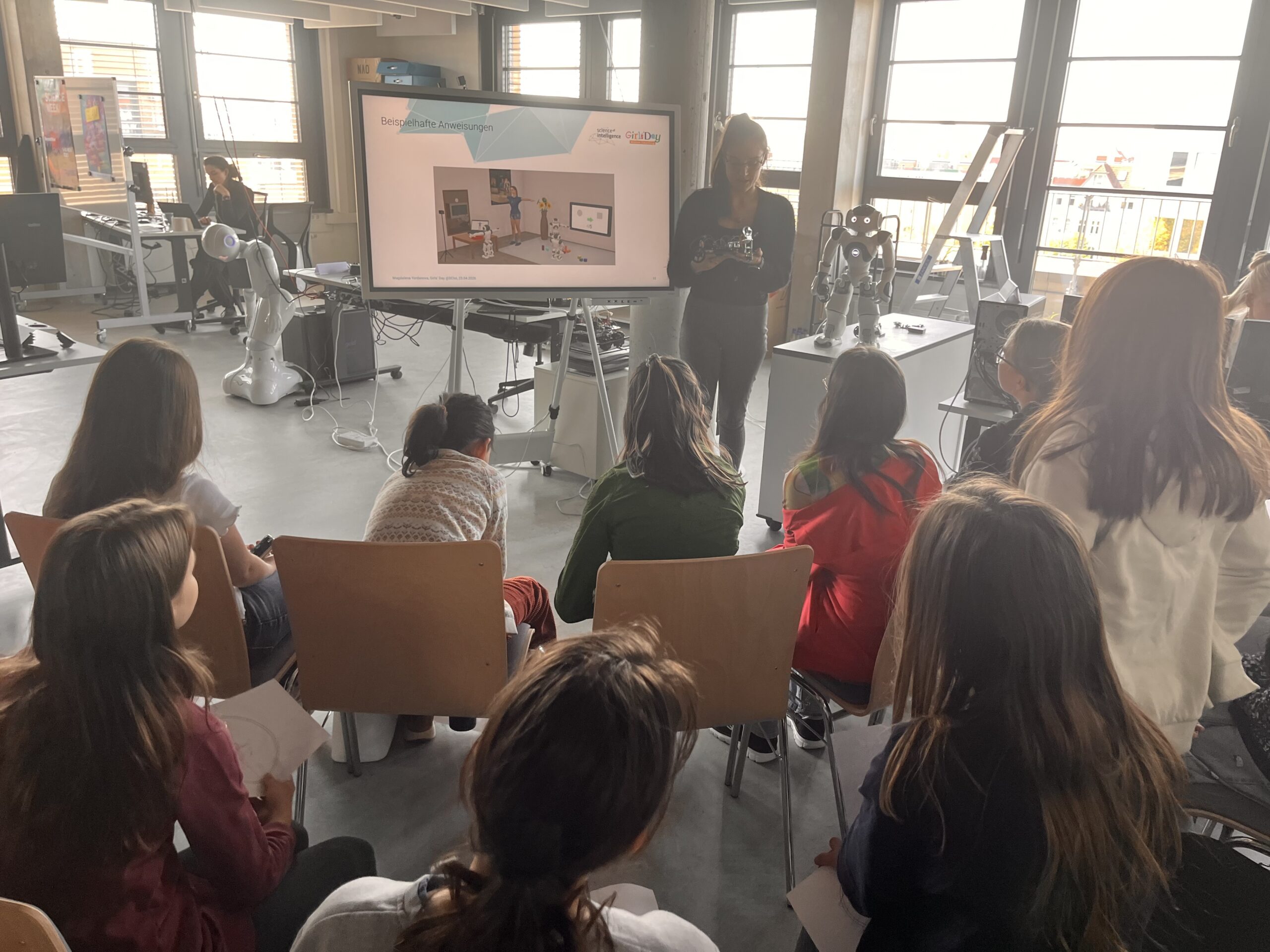
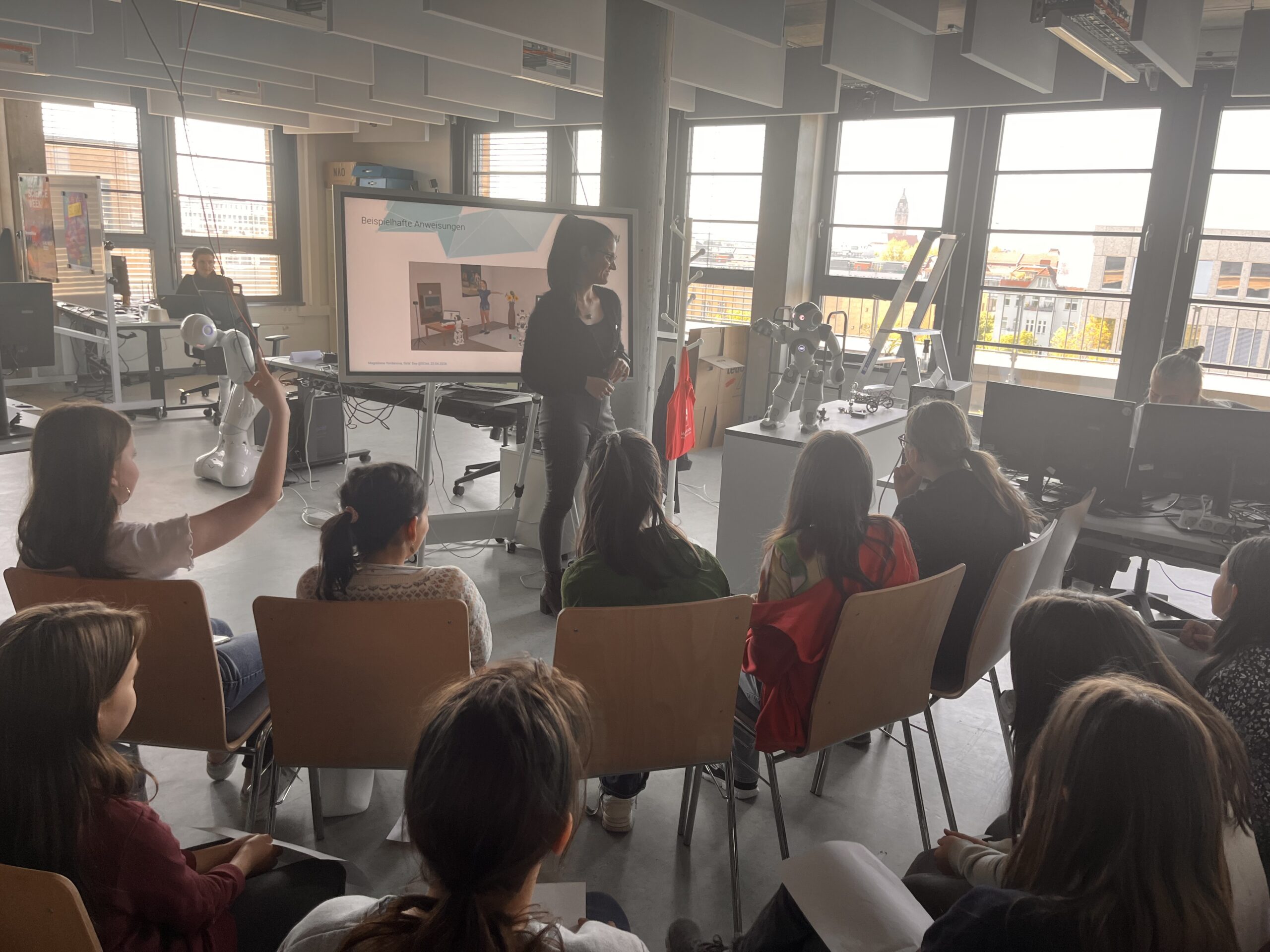
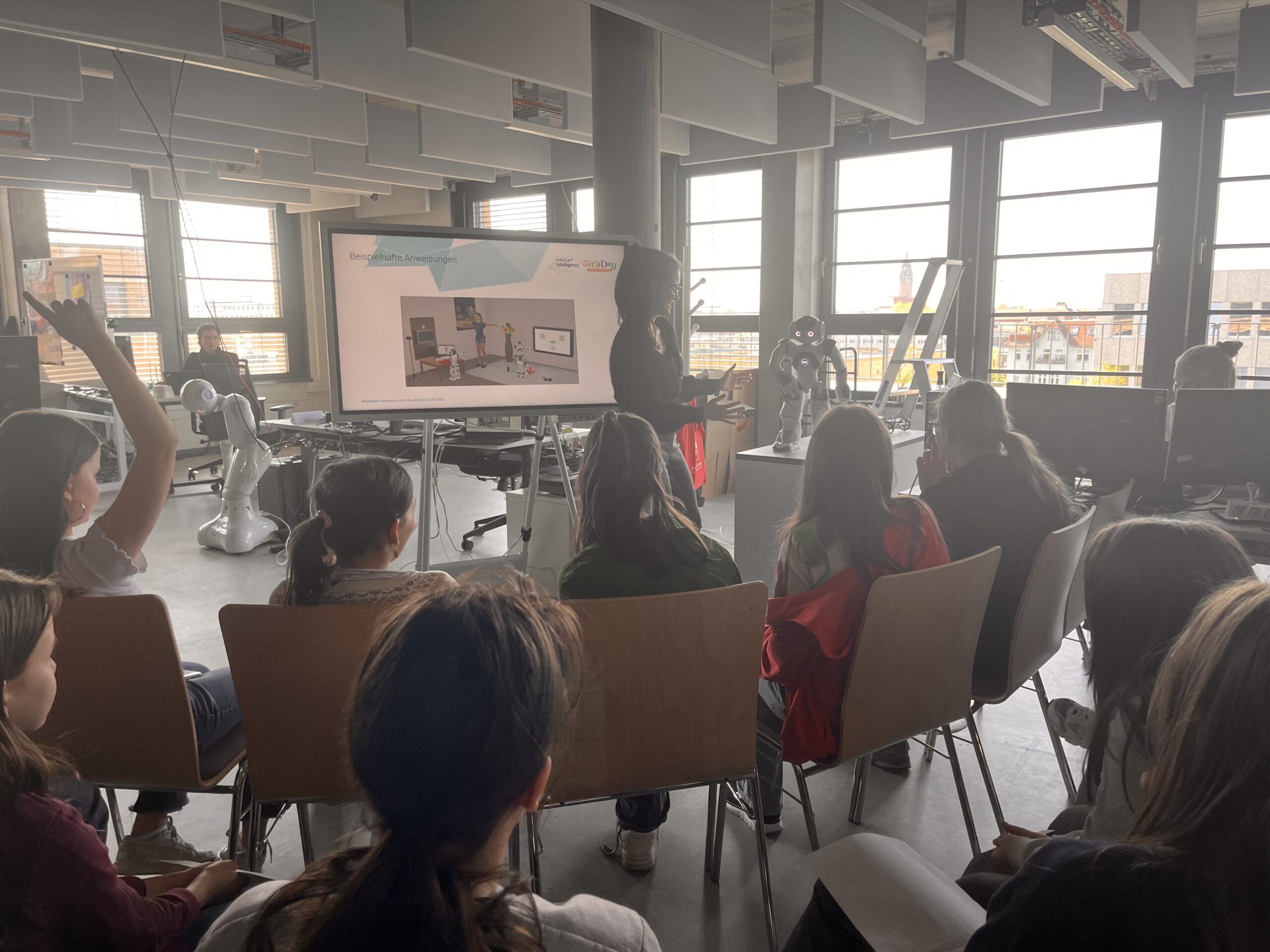
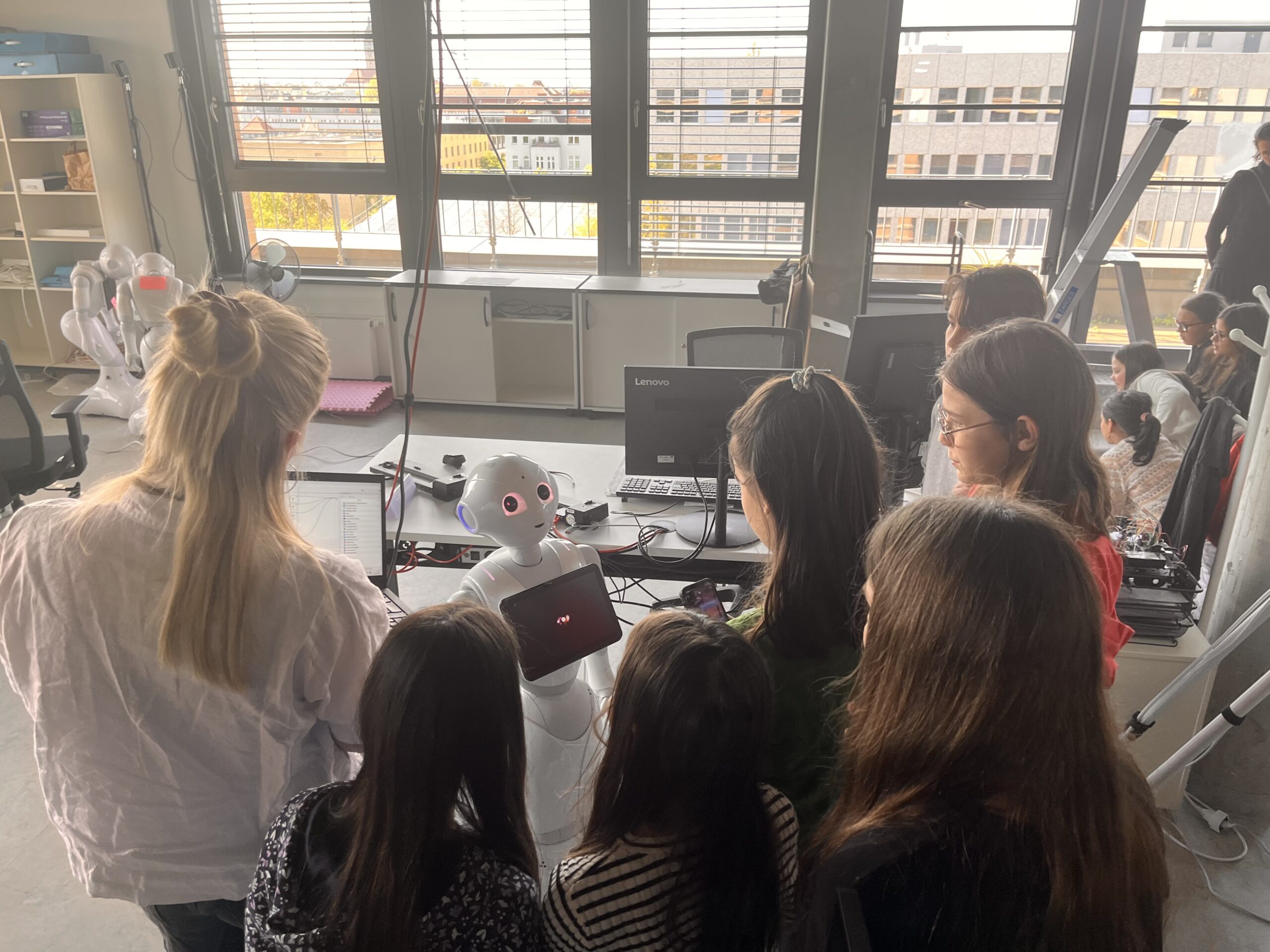
Magdalena Yordanova, shifted the focus towards robots and how they learn. Instead of fixed programming, the session explored how robots can be guided through interaction. Magdalena studied computer engineering and now works on cognitive robotics and machine learning, looking at how adaptive behaviour can emerge.

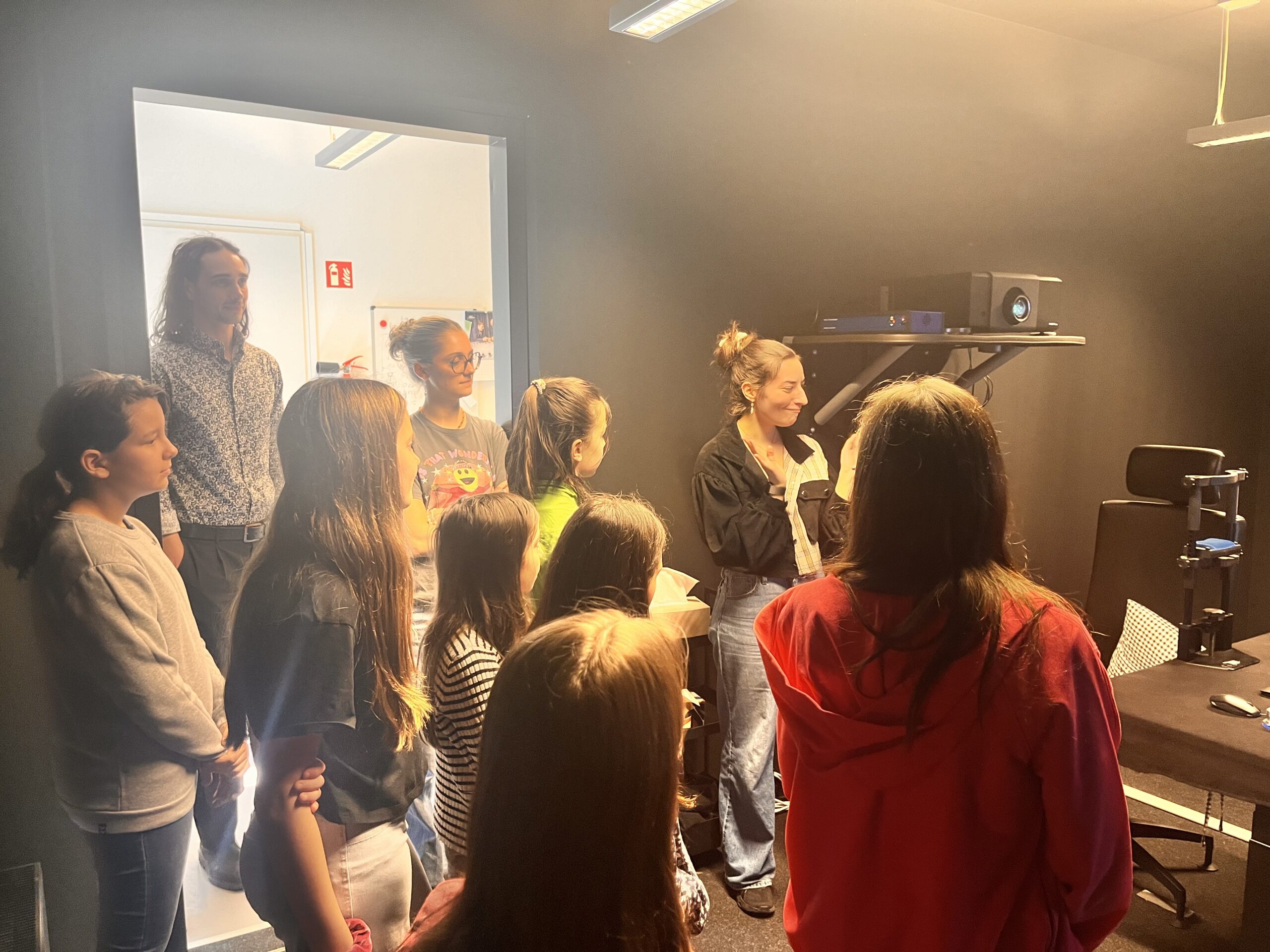
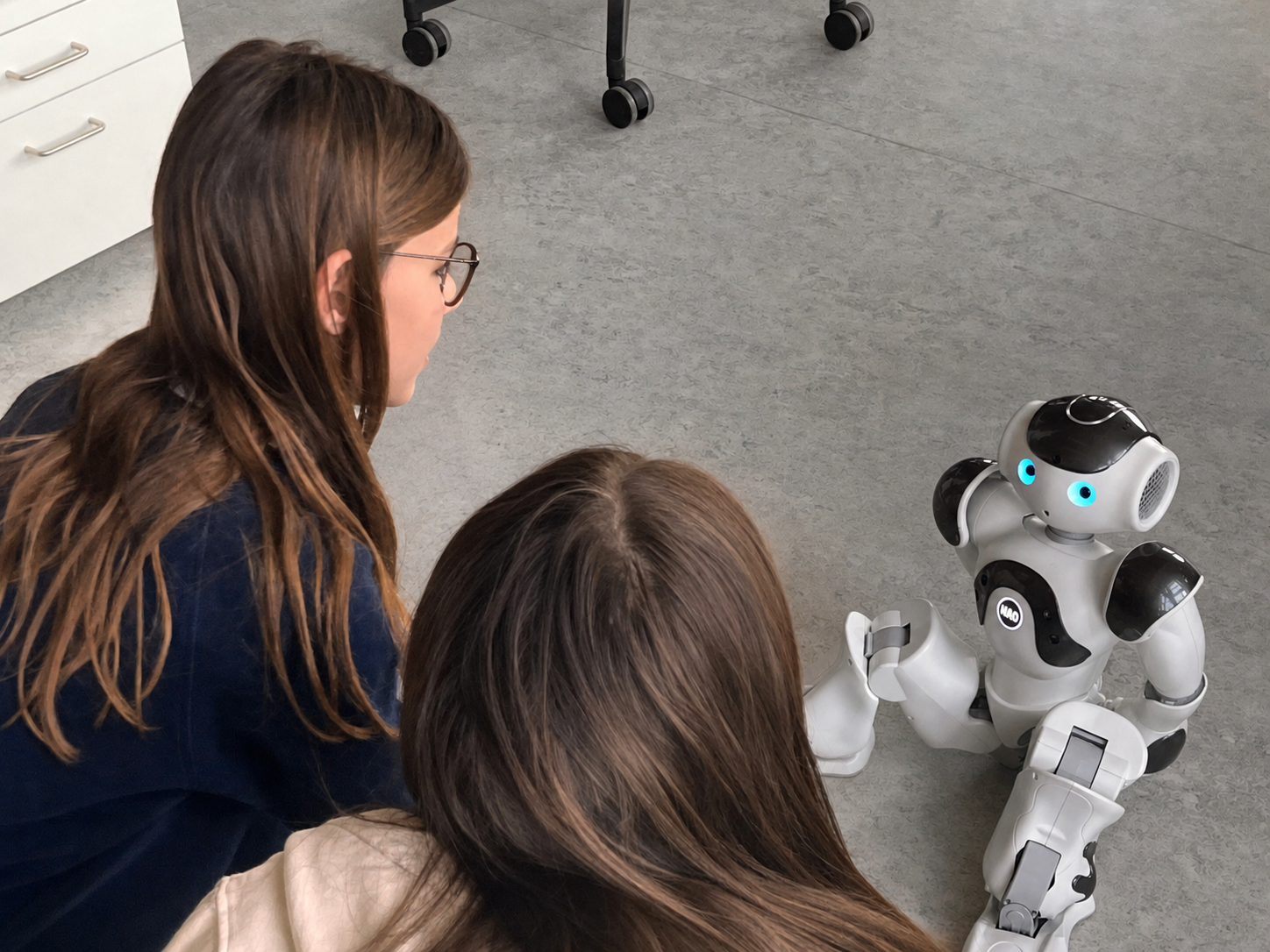
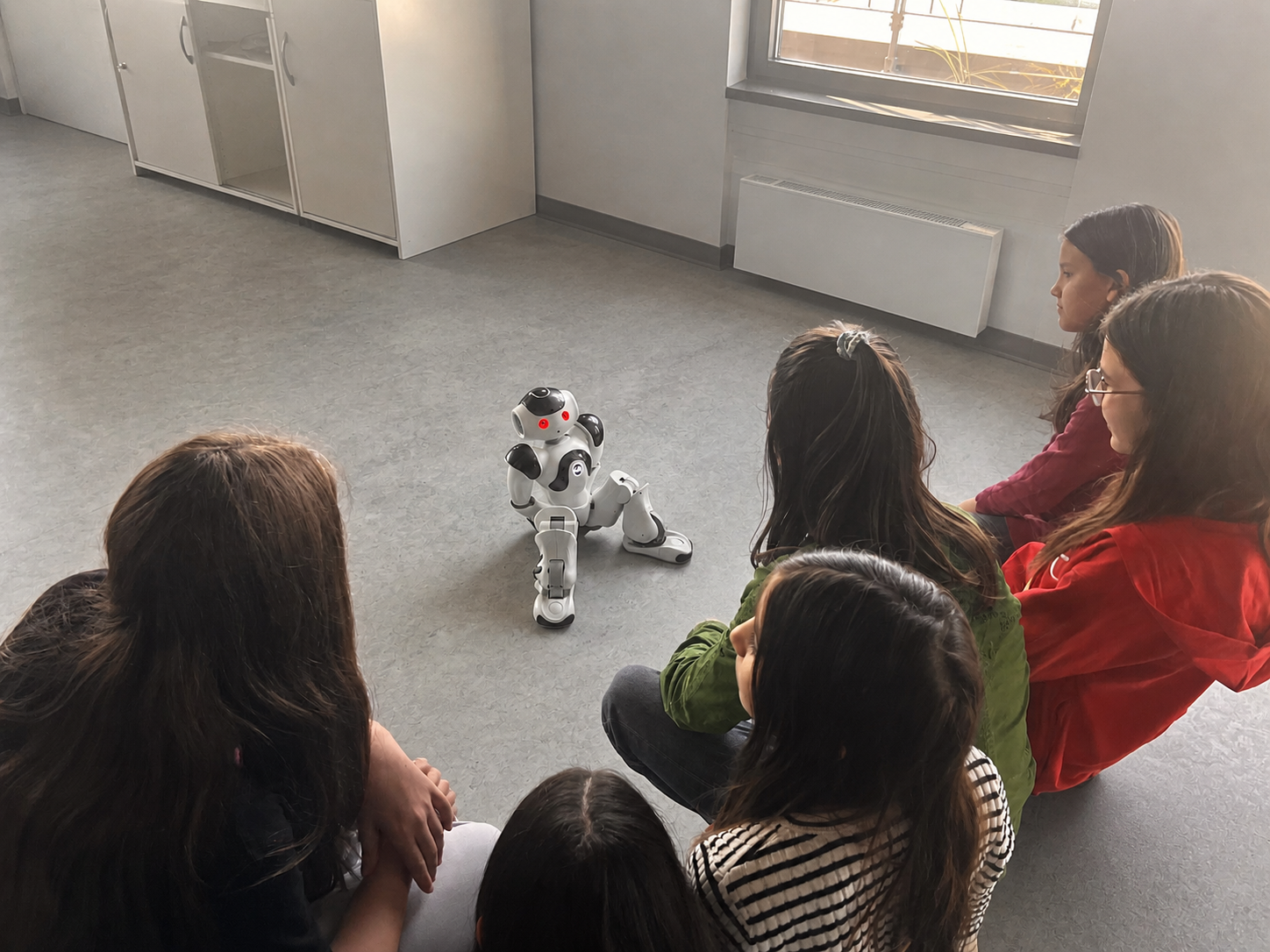
In the session led by Anna Lange and Helene Ackermann, the girls interacted directly with robots and explored how they respond and adapt. Anna combines computational neuroscience and adaptive systems in her research, while Helene, with a background in cognitive psychology, studies how learning develops between humans and artificial agents.

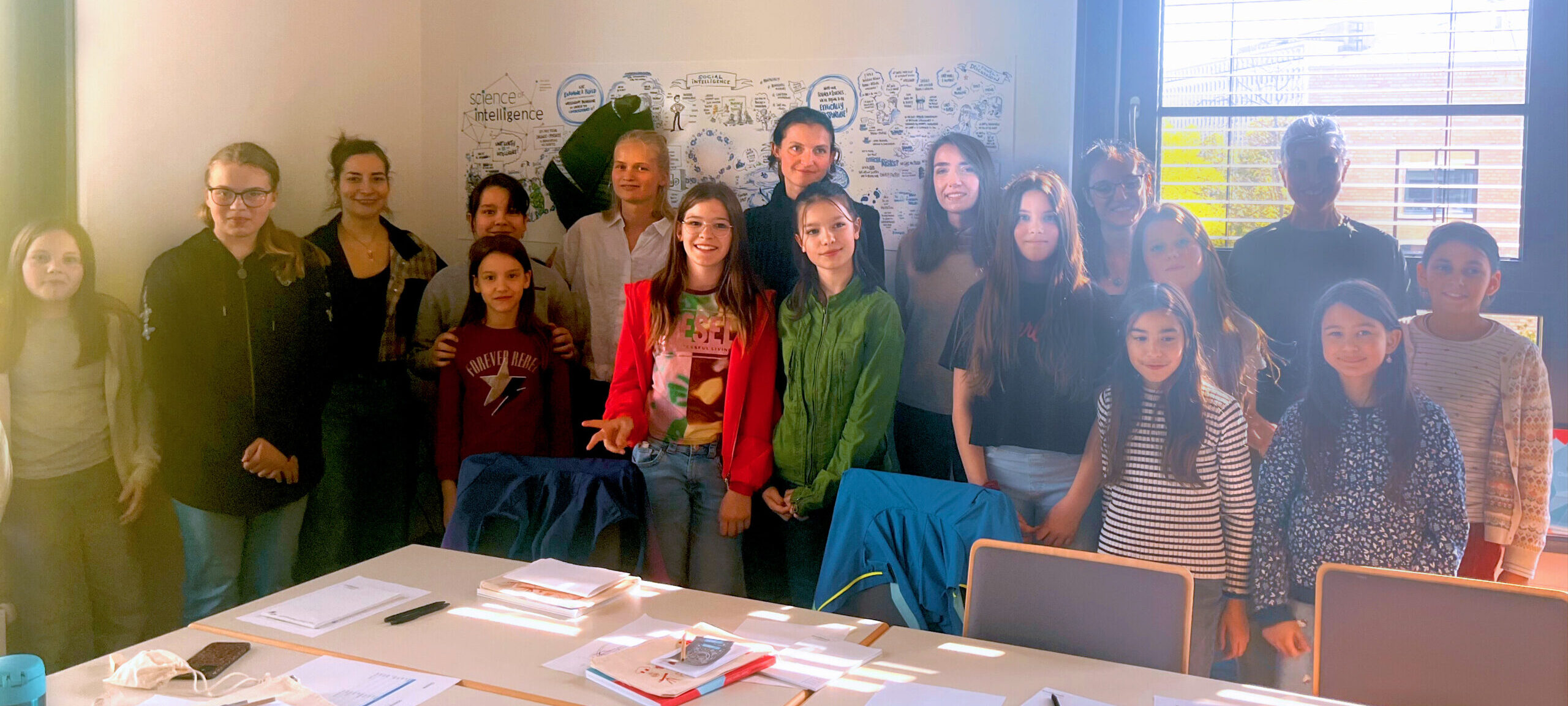
At the end of the day, all researchers joined for a final discussion. The conversation moved from the experiments to bigger questions: what interested the girls, what they could imagine doing, and what surprised them.

What became clear over the course of the day was that research is not one thing, and there isn’t a single path into it, but it always starts with being curious enough to try.


Research

An overview of our scientific work

See our Research Projects