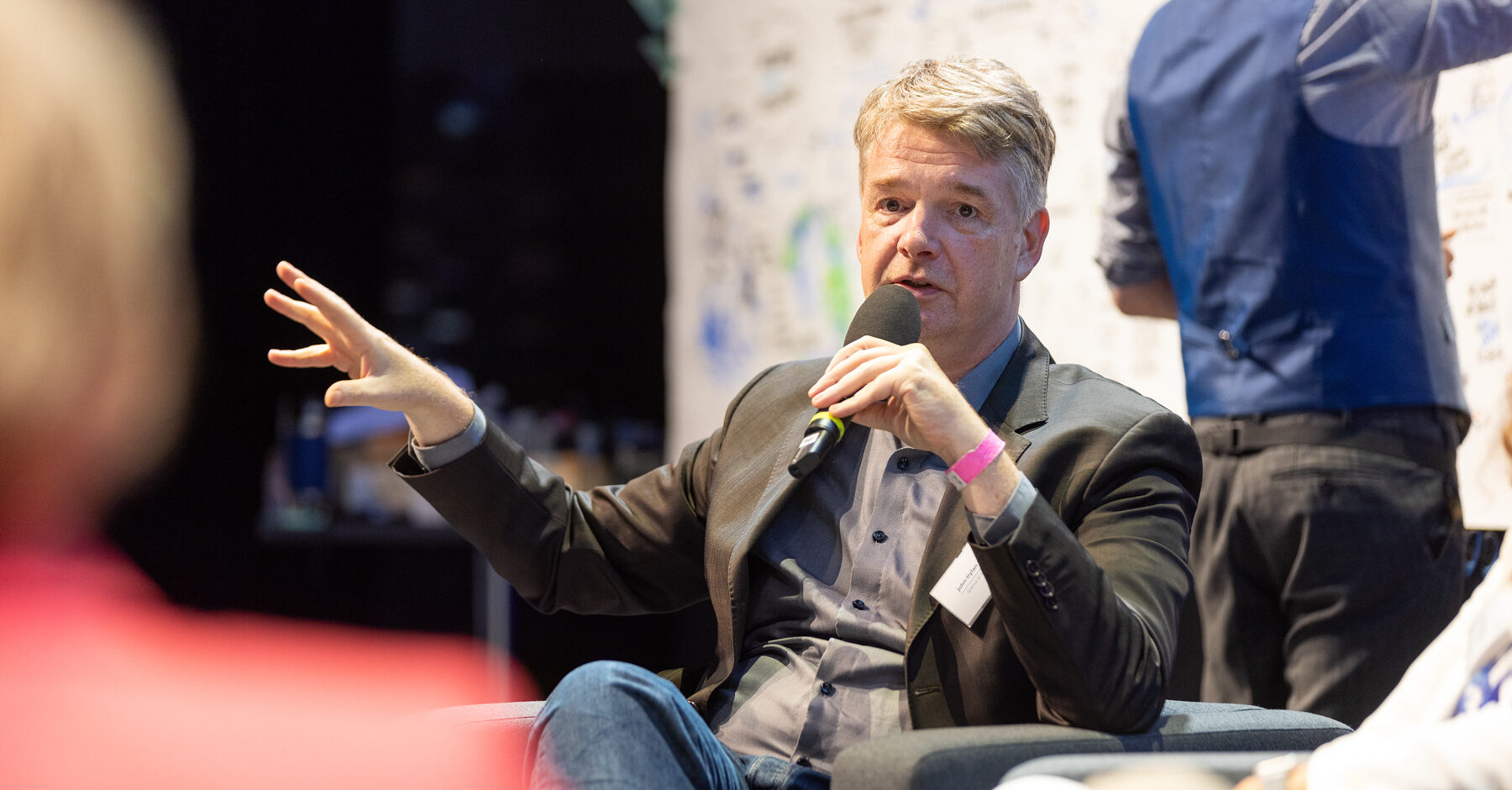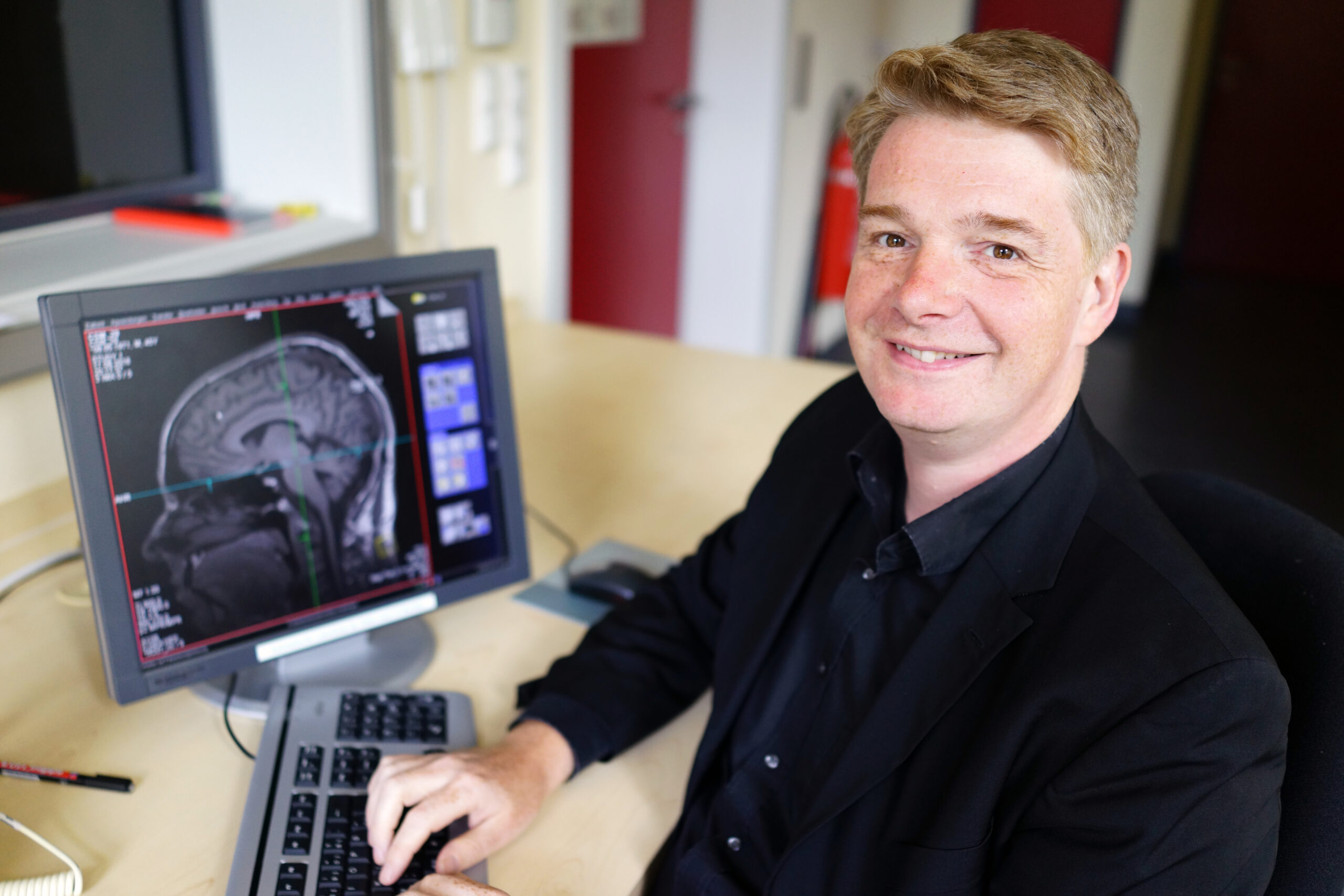
Predictable or predetermined? SCIoI member John-Dylan Haynes talks to DIE ZEIT about free will
What if your brain begins preparing a decision before you are even aware of making it? In a recent interview with DIE ZEIT, one of Germany’s leading national weekly newspapers, SCIoI member John-Dylan Haynes explores one of neuroscience’s most enduring questions: whether our choices are truly free.
John became internationally known for experiments showing that simple decisions can be predicted from patterns of brain activity several seconds before people consciously report making them. In some cases, his team could anticipate a choice up to seven to ten seconds in advance, even if the accuracy was limited to around 60 percent.
These findings were often interpreted as evidence against free will, but John draws a clear distinction: prediction is not the same as predetermination. Detecting a tendency in the brain does not mean that the outcome is fixed.
Consciousness can still intervene
John’s later research showed that people can still interrupt or change a decision even after the underlying brain process has begun. This challenges the idea that decisions unfold like an irreversible chain of events.
Instead, John describes consciousness as a kind of gatekeeper. Unconscious processes may prepare an action, but conscious reflection can still evaluate it, place it in a broader context, and stop it from being carried out.
This perspective shifts the debate. The key question is no longer whether decisions have a neural basis, but whether meaningful freedom can exist within those neural processes. For John, freedom may lie in our ability to reflect on impulses, weigh them against our goals and values, and revise our behavior.
The interview also extends beyond the classical debate about free will. John discusses what these questions mean in relation to artificial intelligence, responsibility, and the growing difficulty of navigating decisions in an increasingly complex world. As systems become harder to understand and their consequences harder to foresee, questions of agency and accountability become even more pressing.