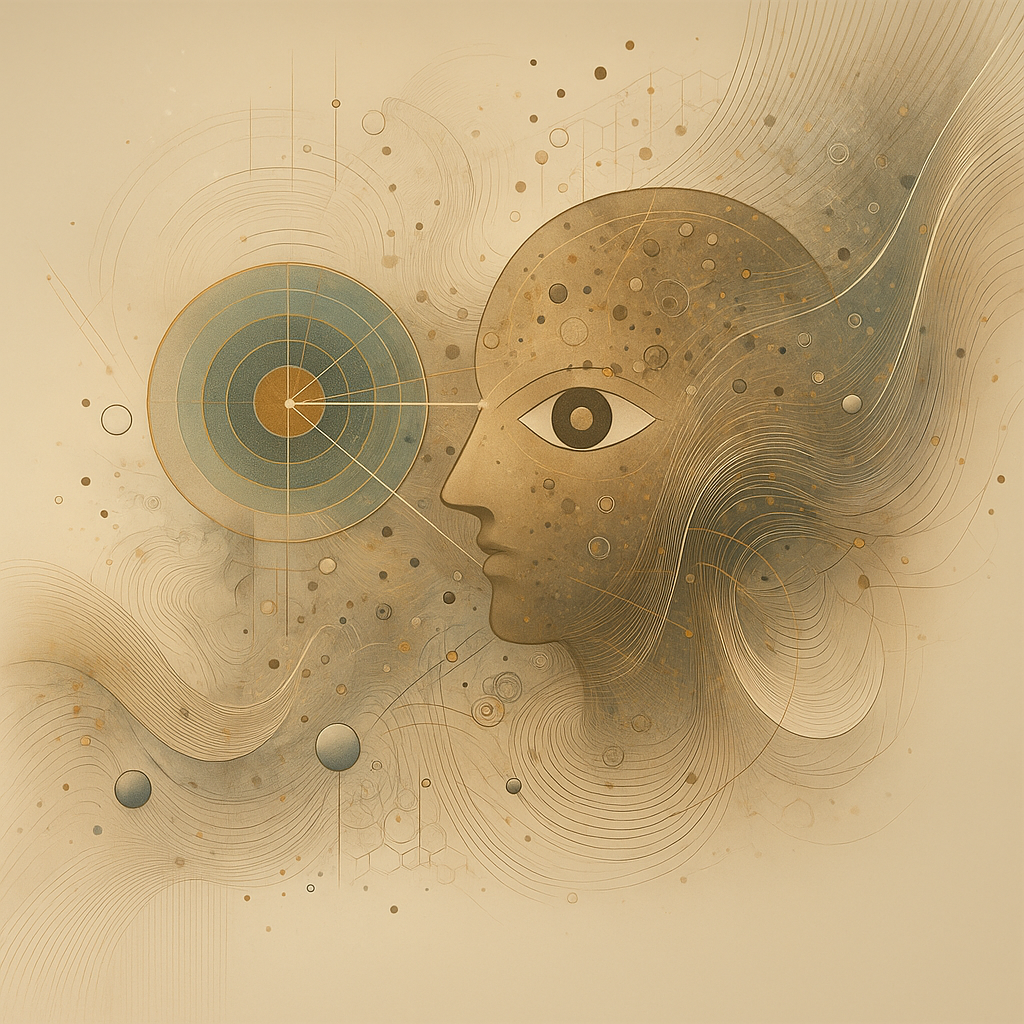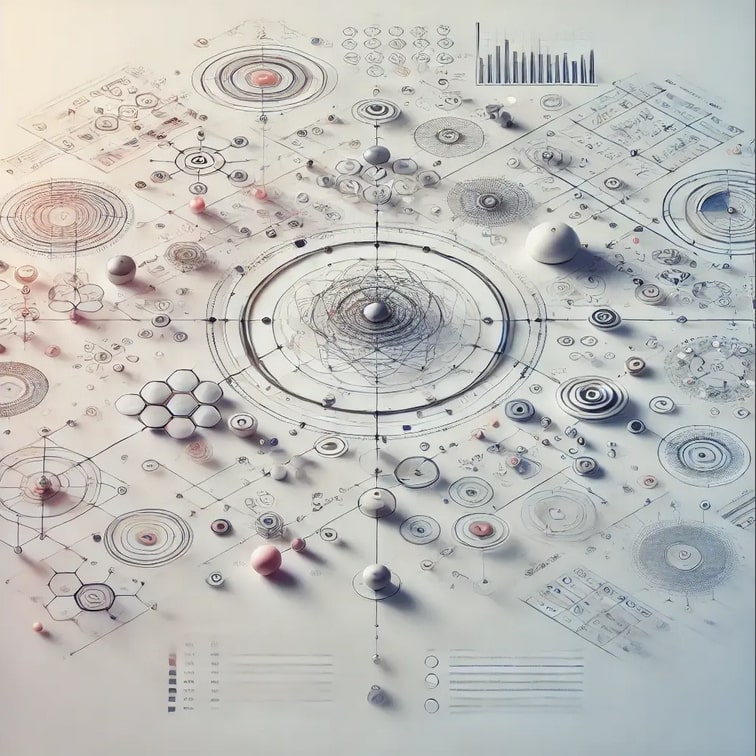
More details to follow. This talk is part of David Mezey's course “Introduction to Modeling Collective Behavior, ” a seminar on collective behavior research, combined with multiple interactive elements. Image created with DALL-E by Maria Ott.

|
Monday
|
Tuesday
|
Wednesday
|
Thursday
|
Friday
|
Saturday
|
Sunday
|
|---|---|---|---|---|---|---|
|
0 events,
|
1 event,
-
More details to follow. This talk is part of David Mezey's course “Introduction to Modeling Collective Behavior, ” a seminar on collective behavior research, combined with multiple interactive elements. Image created with DALL-E by Maria Ott. |
0 events,
|
0 events,
|
1 event,
-
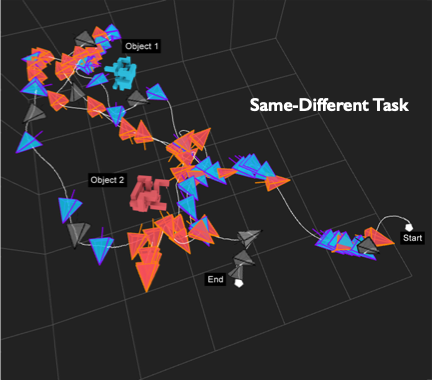
Abstract Understanding the computational principles of embodied intelligence is central to advancing robotic systems that perceive and act in complex environments. This talk explores key principles—low power consumption, robustness, and generalizability—as they emerge in the context of motion perception and action. For visual navigation, evidence is presented that challenges the conventional SLAM paradigm, which relies |
0 events,
|
0 events,
|
|
1 event,
-
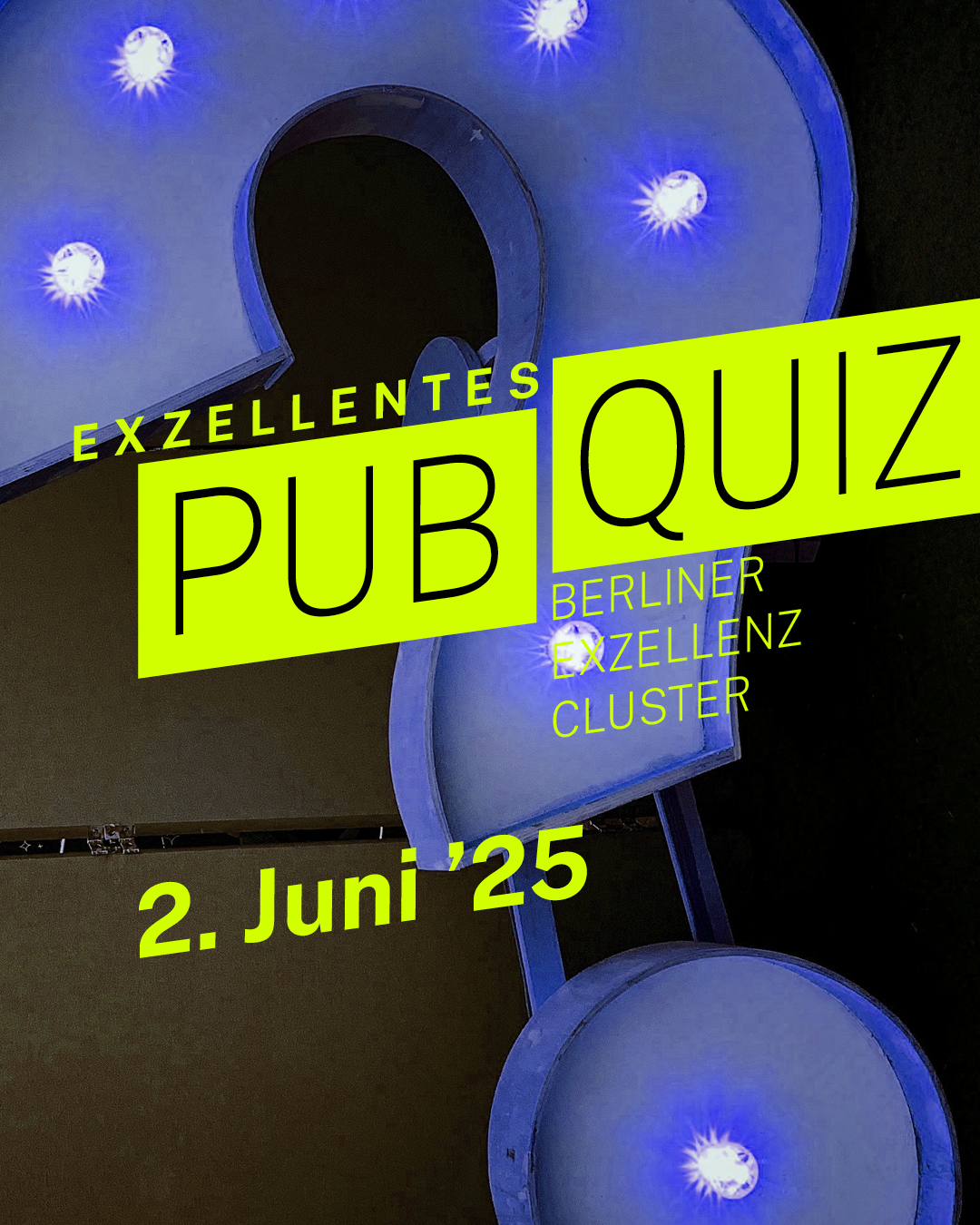
Dive into the wonderful world of research of the seven Berlin Clusters of Excellence: from literature to chemistry, from politics to AI, you and your team can find answers for exciting and surprising questions from the clusters’ research areas. So seek fellows and think of your team name! Every quiz evening focuses on the research |
1 event,
-
In this talk Jens Krause will discuss the adaptive value of collective behaviour from different perspectives. One perspective is the potential ability of groups or collectives to make better and even faster decisions. In this context Jens will show some of the modelling approaches to explain collective intelligence and the empirical support for them in |
0 events,
|
2 events,
-
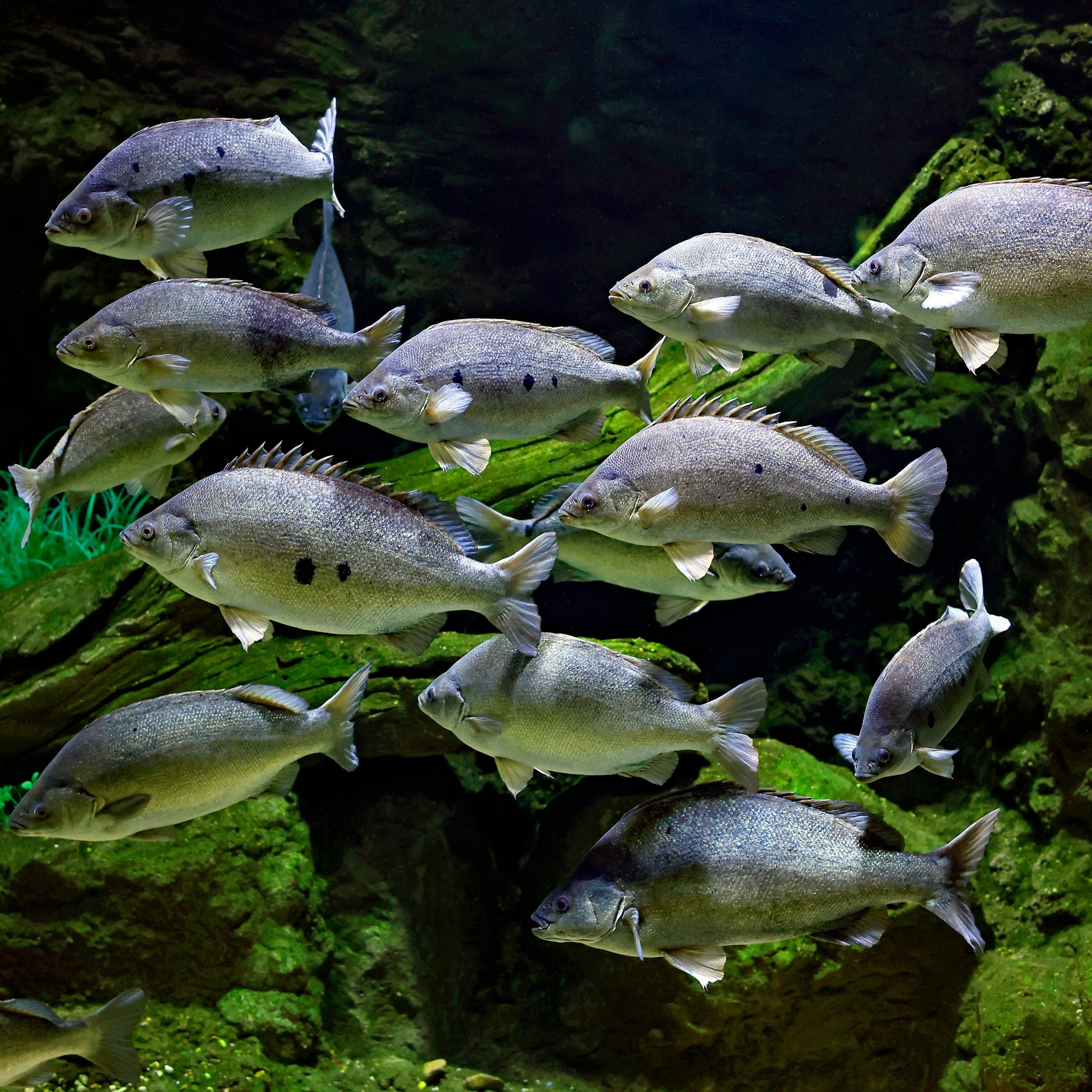
More details to follow. Photo by David Clode on Unsplash.
-
Martina Poletti's talk will focus on active foveal vision. Vision is an active process even at its finest scale in the 1-deg foveola, the visual system is primarily sensitive to changes in the visual input and it has been shown that fixational eye movements reformat the spatiotemporal flow to the retina in a way that |
1 event,
-
Artificial intelligence and robotics have been making great progress in recent years but how close are we to emulating human intelligence? This talk will explore the similarities and differences between humans and AIs and discuss the development of biomimetic cognitive systems that more directly think and behave like us. A key focus will be on |
0 events,
|
0 events,
|
|
0 events,
|
1 event,
-
Andrew King is a scientist driven by curiosity, exploring questions across species, contexts, and methods. His research group investigates how and why individuals engage in collective behaviour, using a wide range of systems, perspectives, and tools. In this seminar, he will present their fundamental work in behavioural biology, as well as its applied themes, including |
0 events,
|
1 event,
-
Jennifer Groh (Duke University) Hearing works in concert with vision, such as when we watch someone’s lips move to help us understand what they are saying. But bridging between these two senses poses computational challenges for the brain. One such challenge involves movements of the eyes – every time the eyes move with respect to the head, |
1 event,
-
There is growing interest in applying AI technologies to the control of intelligent robotic systems. While this research has led to promising developments, it still faces major challenges due to its heavy reliance on learning from limited datasets—often dominated by visual information. In this talk, I will introduce "Info-Embodiment" as a new research framework for |
0 events,
|
0 events,
|
|
0 events,
|
1 event,
-
Swarm robotics investigates how large numbers of relatively simple, autonomous robots can coordinate to complete complex collective tasks. In this lecture, we explore how models of collective behavior can guide the design of such systems. We highlight how modeling collective behavior is not only a tool for understanding natural systems, but a powerful method to |
0 events,
|
1 event,
-
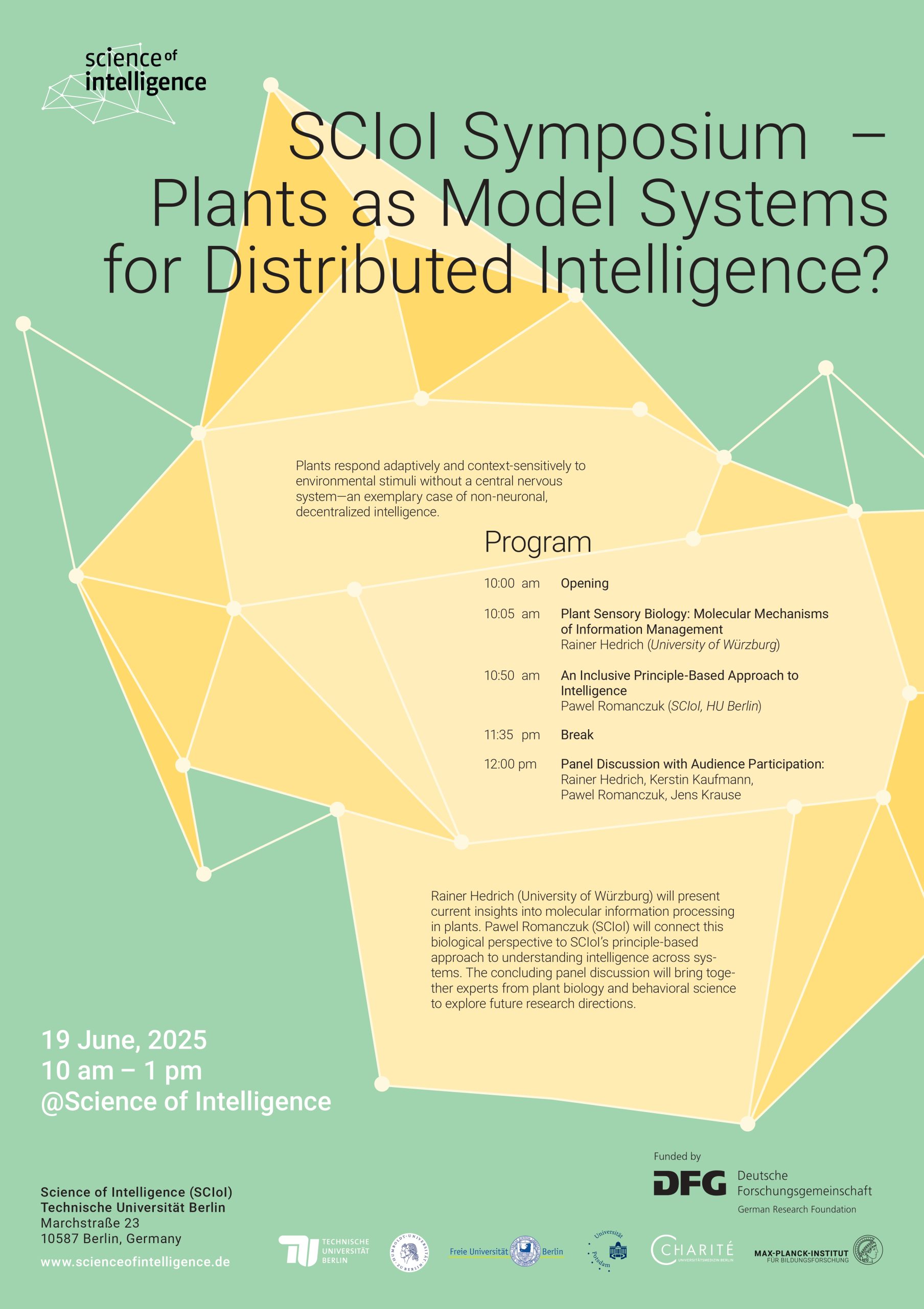
The SCIoI Symposium - Plants as Model Systems for Distributed Intelligence investigates plant systems as potential model organisms for distributed intelligence. Plants respond adaptively and context-sensitively to environmental stimuli without a central nervous system—an exemplary case of non-neuronal, decentralized intelligence. Rainer Hedrich (University of Würzburg) will present current insights into molecular information processing in plants. |
1 event,
-
David Marr wrote 'What does it mean, to see? The plain man's answer (and Aristotle's, too) would be, to know what is where by looking'. Modern vision science has moved beyond Aristotle's view as well as Marr's, although it certainly would not have advanced without the influence of both. Seeing and Looking are different and |
0 events,
|
0 events,
|
|
0 events,
|
0 events,
|
0 events,
|
2 events,
-
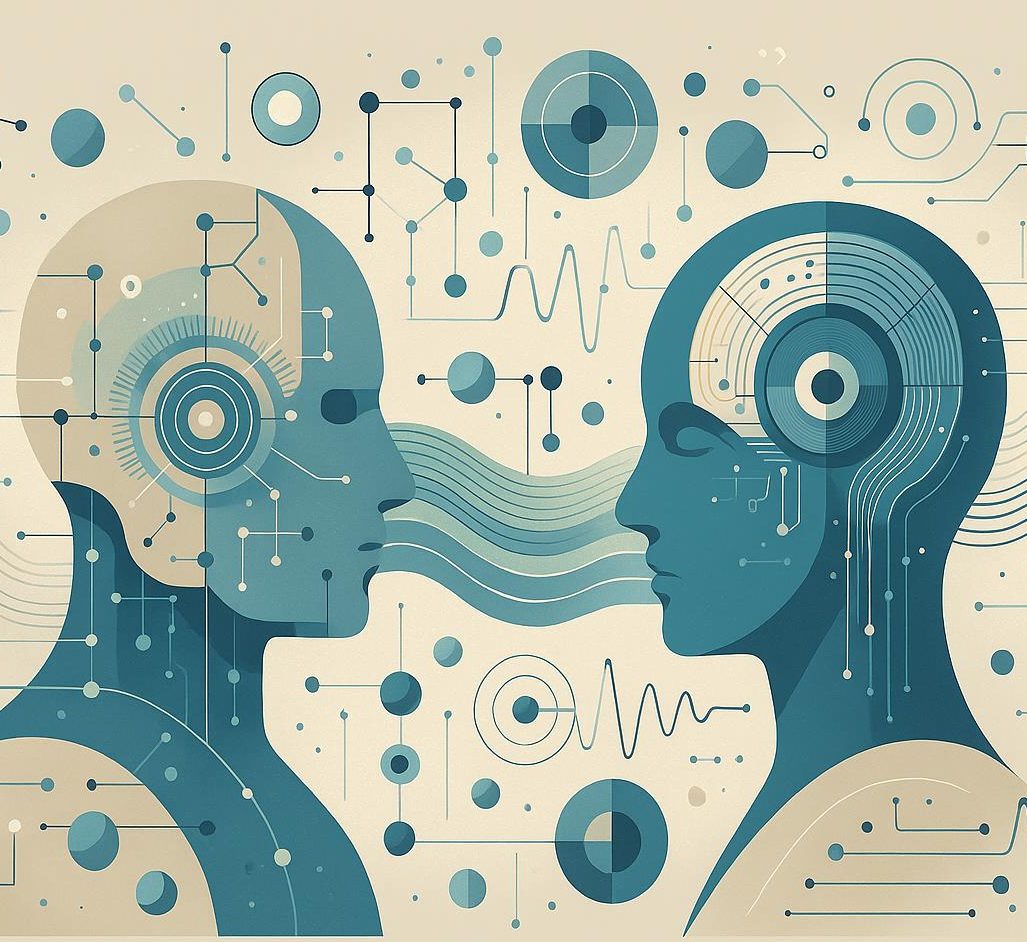
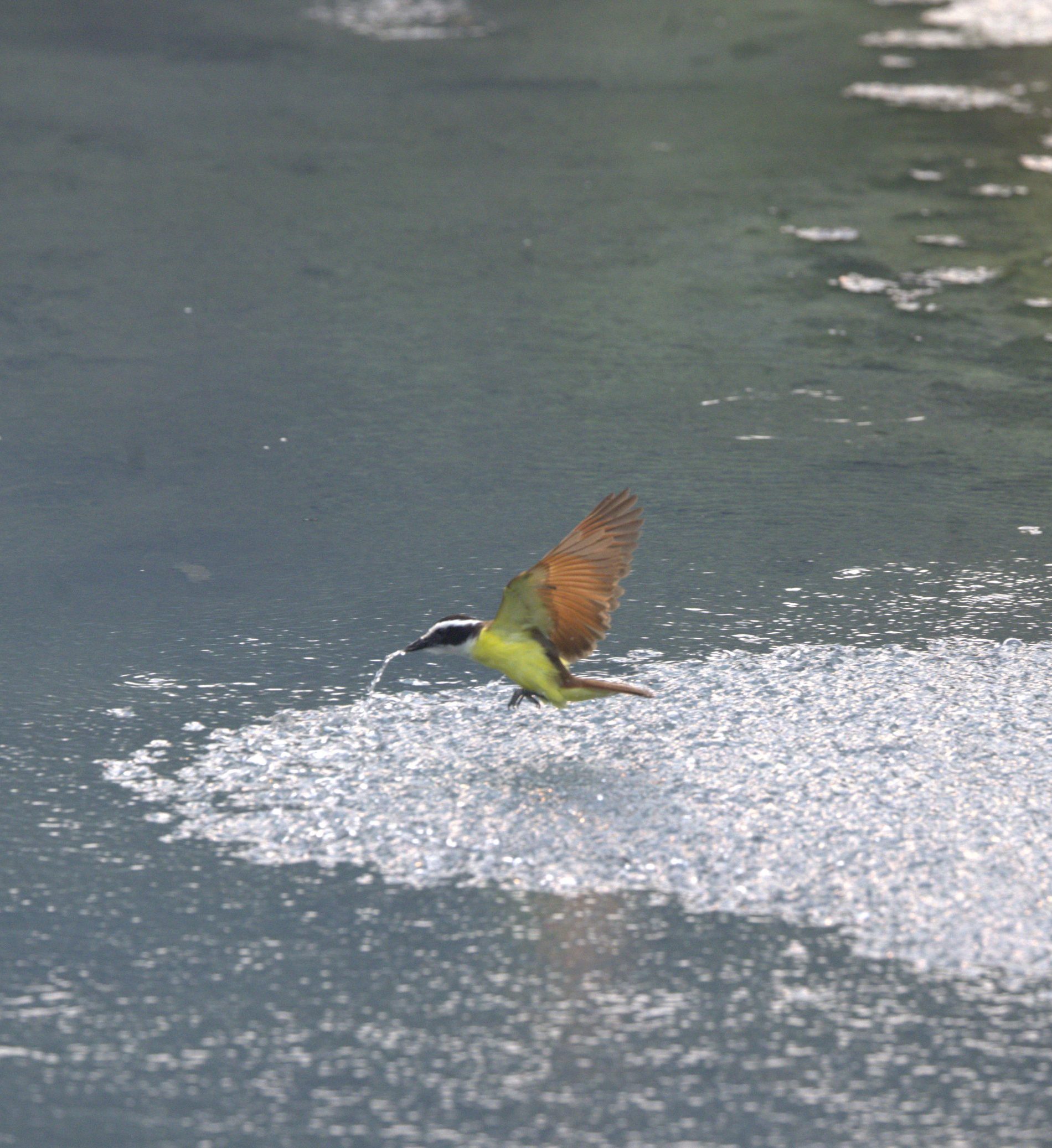
More details to follow. Image created with DALL-E by Maria Ott.
-
Michael Brecht (BCCN Berlin) will present data on a systemic investigation of brains and of grasping behavior in elephants. The analysis of sensory nerves suggests that elephants are extremely tactile animals. In elephants, trunk whisker length is lateralized as a result of heavily lateralized trunk behaviors. The elephant trunk tip appears to be represented by |
1 event,
-
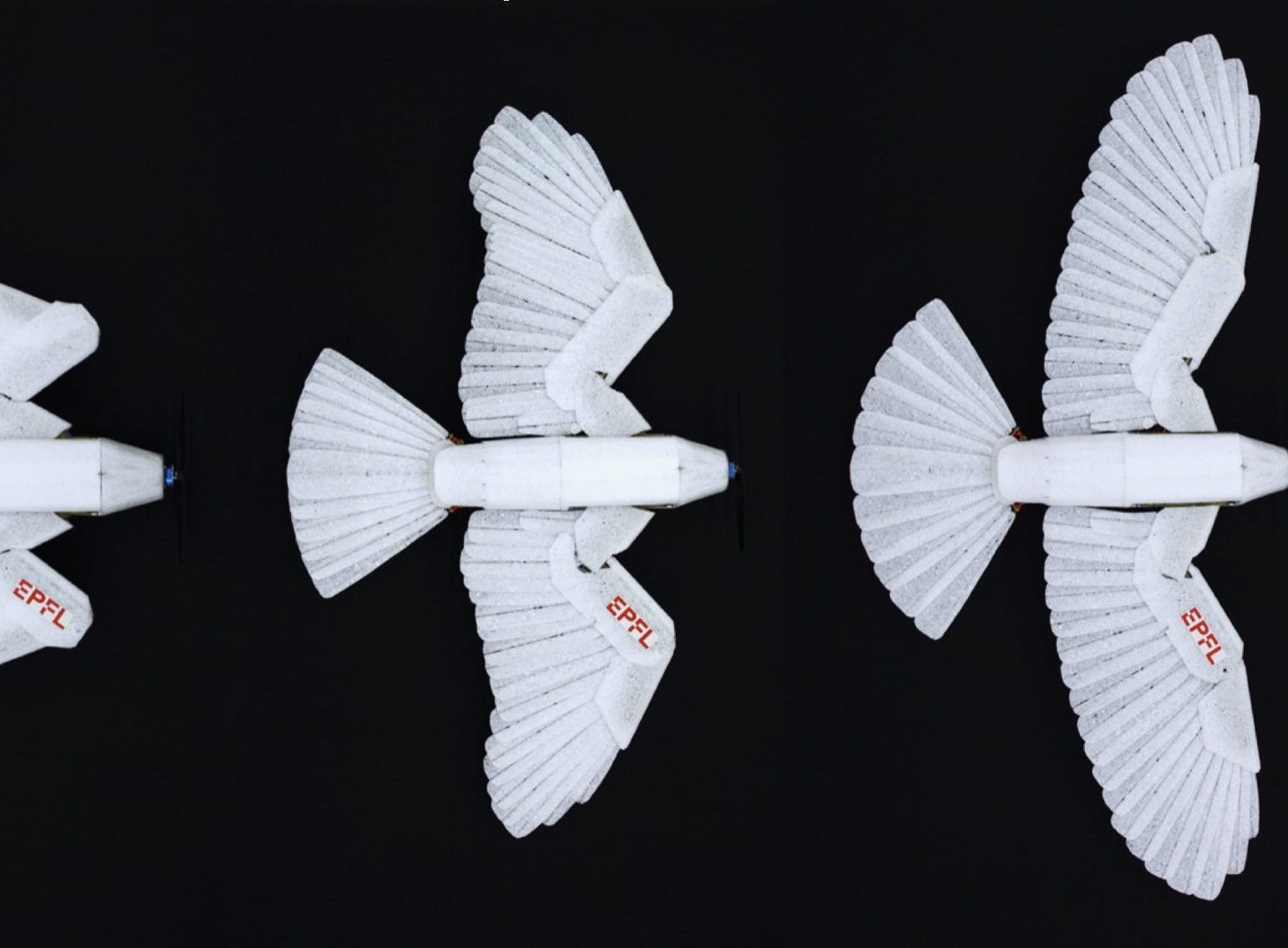
In less than 20 years drones transitioned from research labs to the real world and had a major impact on inspection, security, rescue, logistics, and entertainment. However, today's drones do not match the agility, endurance, adaptability, and intelligence of birds. Birds are not only the masters of the sky but are also at ease on |
8 events,
-
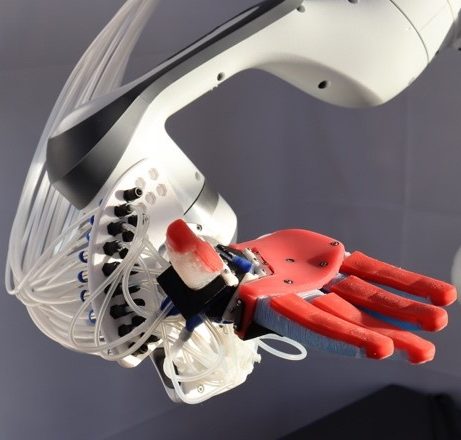
Where: RBO Lab (5th floor) Time: At regular intervals between 5:30 and 10pm Event Type: Experiment By Alexander Koenig Language: English and German Suitable for kids: Yes, from 5 Website: www.tu.berlin/en/robotics Did you ever wonder what it feels like to control a robotic hand? At the Robotics and Biology Lab you can see, touch and
-
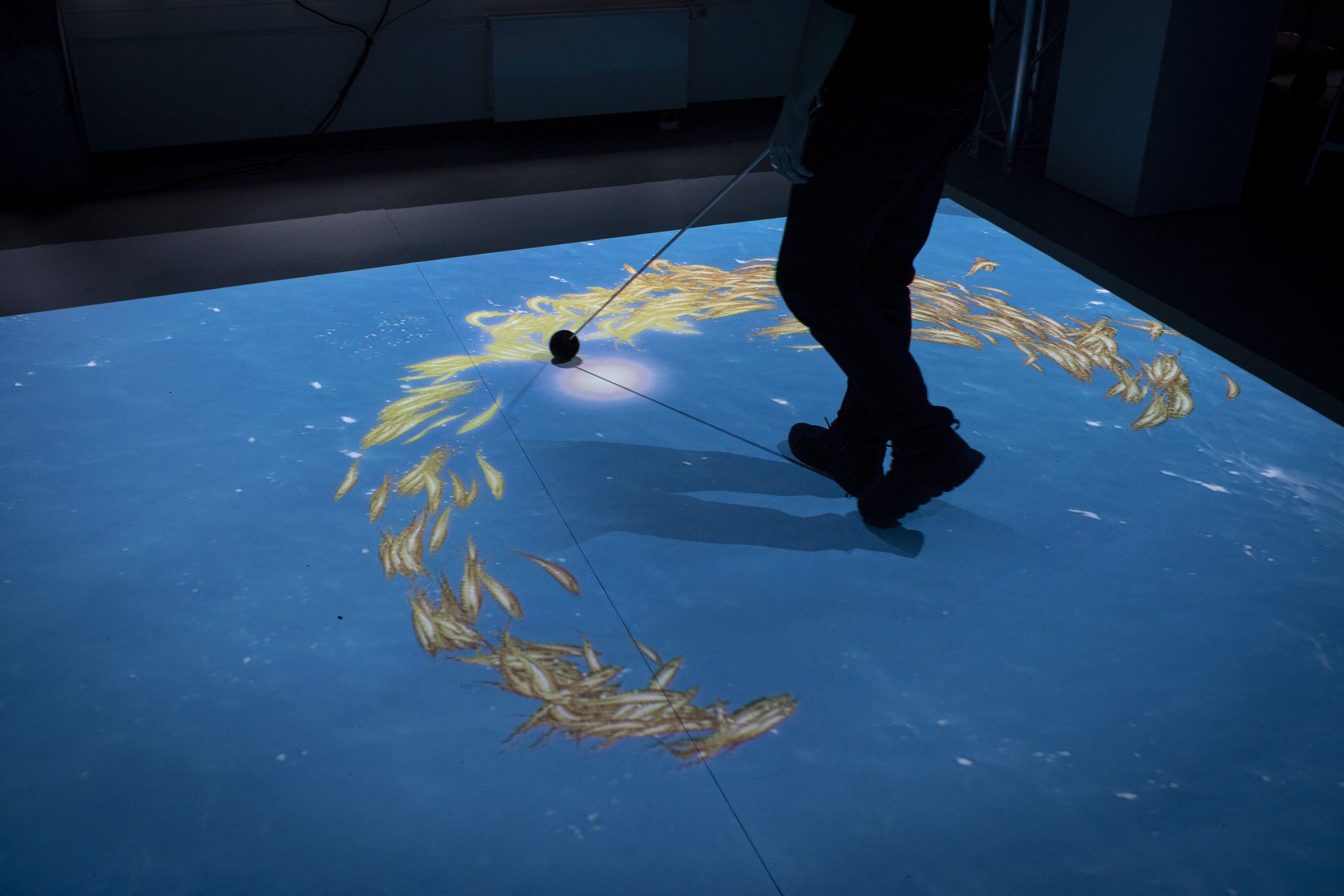
Where: Showroom, SCIoI, TU MAR building Room 2.034 Time: At regular intervals from 5:30 to 10pm By David Mezey and Palina Bartashevich Language: English Suitable for kids: Yes (only with parental supervision 5+) Description: Visitors can dive into the world of collective intelligence by becoming a marlin (a large swordfish) and chasing a swarm of
-
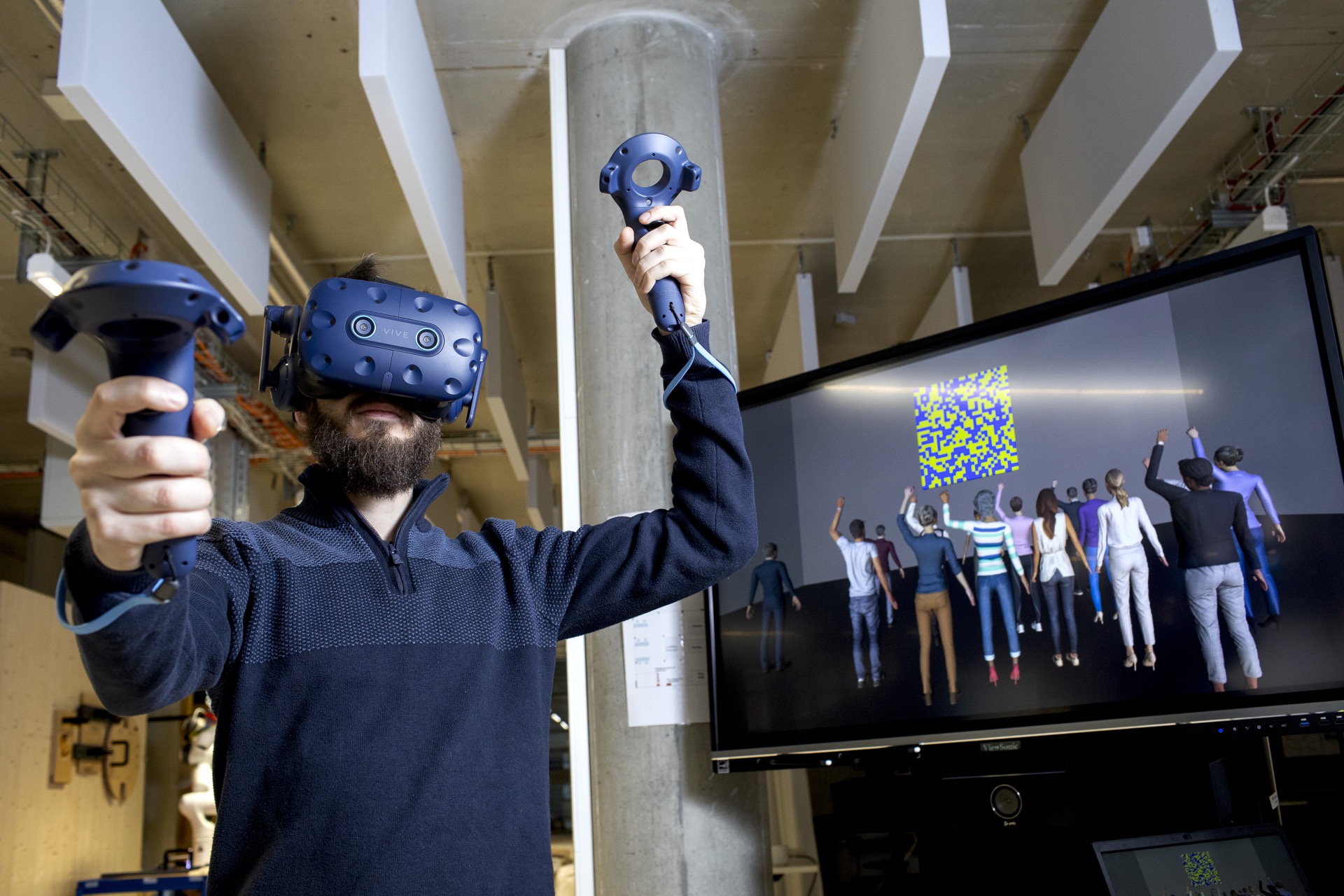
Where: Showroom, SCIoI, TU MAR building Room 2.034 Time: At regular intervals from 5:30 to 10pm By Maryam Karimian Language: English Suitable for kids: No This demo showcases simulation results that illustrate how group size and density influence the spread of behavior by systematically manipulating these factors and evaluating their impact on contagion dynamics. Check |
0 events,
|
|
0 events,
|
1 event,
-
This event has been postponed to 29 July 2025. How should we think about Ethics when Machines become part of our social worlds? Alan Winfield and Dafna Burema will explore the ethical and societal dimensions of robotics and AI in an interactive fishbowl and in conversation with Master`s students of the course “Introduction to Modeling |
0 events,
|
1 event,
-
Abstract Minimalistic robot swarms hold great promise for applications in healthcare, disaster response, and environmental monitoring. A key challenge lies in enabling these robots to rapidly and reliably reach consensus using limited communication, computation, and memory. In this talk, we explore how robot swarms can collectively identify the best among multiple discrete options in their |
0 events,
|
0 events,
|
0 events,
|