
Elena Merdjanovska (Science of Intelligence), “Efficient Model Learning From Data With Partially Incorrect Labels: Learning From Noisy Labels”
Thursday Morning TalkMore details to follow. Image created with DALL-E by Maria Ott.
More details to follow. Image created with DALL-E by Maria Ott.

More details to follow. Image created with DALL-E by Maria Ott.
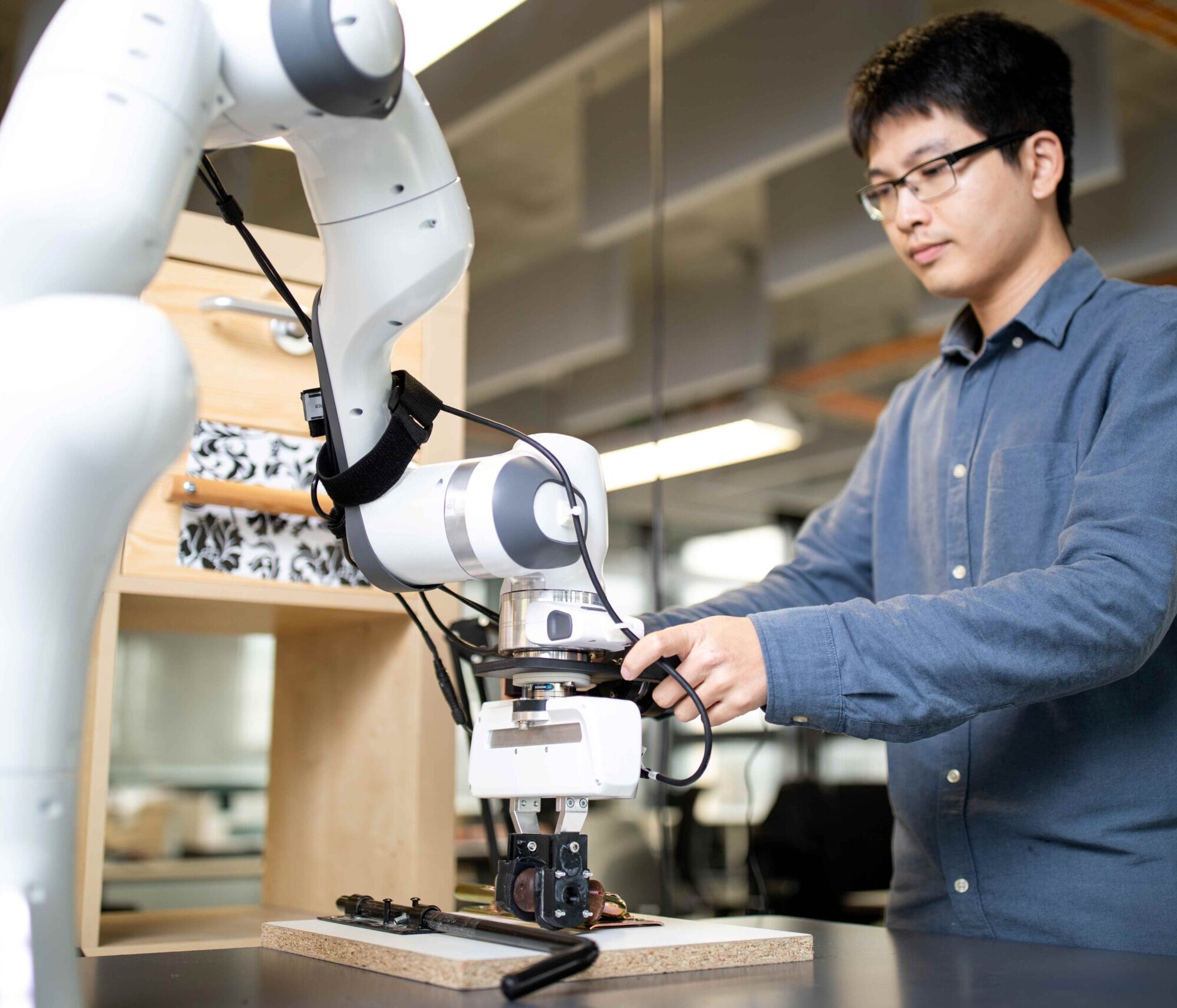
Enabling robots to perform complex manipulation tasks in open-world environments requires approaches to intelligence that bridge the traditional divide between symbolic and subsymbolic systems. Hybrid systems that combine reasoning over
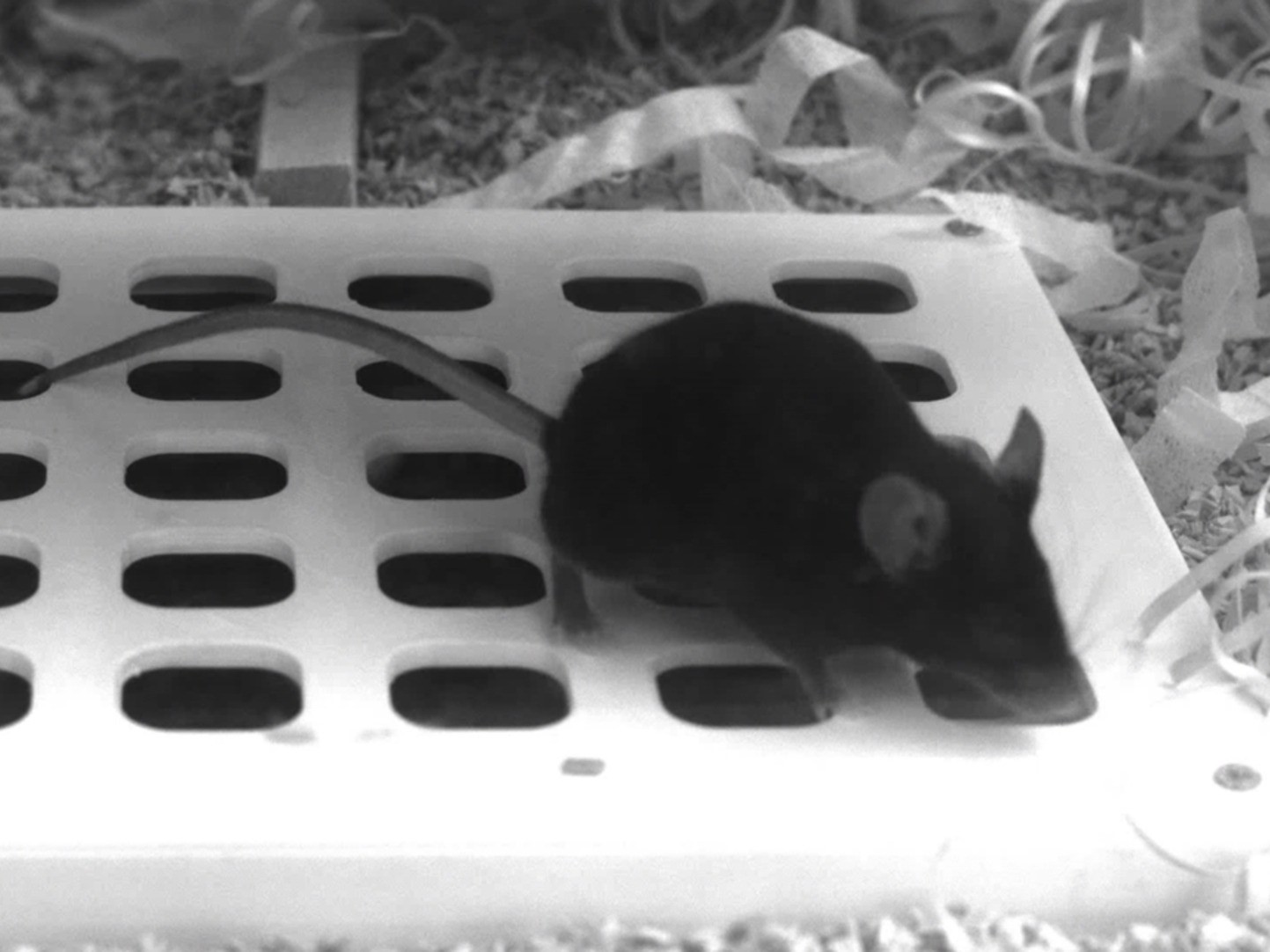
More details to follow. ©SCIoI/Katharina Hohlbaum, Arianna Novati

How does sensory information shape animal behaviour? This year’s Winter Conference of the Association for the Study of Animal Behaviour (ASAB) takes on one of the most intriguing questions in
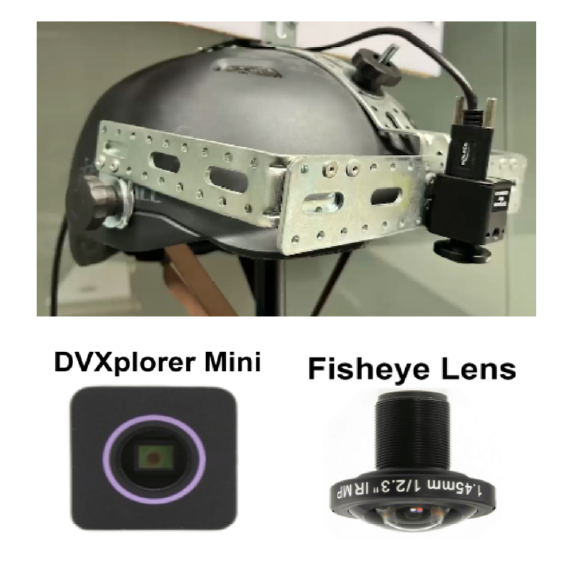
4D computer vision using egocentric visual sensors on head-mounted devices (such as Aria glasses) is gaining momentum. While substantial progress has been made in recent years, various open challenges remain

What is intelligence, and how can research help improve current technologies with new insights? At Girls’ Day with the Cluster of Excellence Science of Intelligence, you’ll discover how scientists from

Join the “Excellent Pub Quiz” at the Long Night of the Sciences 2026! Back by popular demand: team up with your friends (2–4 people), come up with a fun team

Sub-symbolic deep neural network based artificial intelligence (AI) systems run into all sorts of problems, especially with hallucinations and in general with reliability. One way to conceptualize this is to

The 18th International Conference on the Simulation of Adaptive Behavior (SAB 2026) brings together researchers from artificial intelligence, robotics, neuroscience, psychology, behavioral biology, artificial life, control theory, and related disciplines

What, if anything, do animals, plants, fungi, and machines have in common when they sense their environments, process information, adapt, and generate behavior? And when, if ever, should we call

Vision is a highly dynamic process. With every movement of our eyes, perception shifts: attention moves ahead, visual information is enhanced or suppressed, and our impressions are continuously reconstructed. The
Marchstr. 23 – MAR 5-2
10587 Berlin
Email: info@scioi.de
Tel: +49 30 314 70660