• Marta Halina (University of Cambridge), “Intuitive Physics in Nonhuman Animals”

    Distinguished Speaker Series

    Abstract: Comparative psychologists have spent the last few decades examining whether nonhuman animals understand the physical world in a way that is similar to humans. Broadly, human intuitive physics is thought to include a collection of abilities, such as knowing that solid objects continue to exist even when no longer perceived and that objects tend

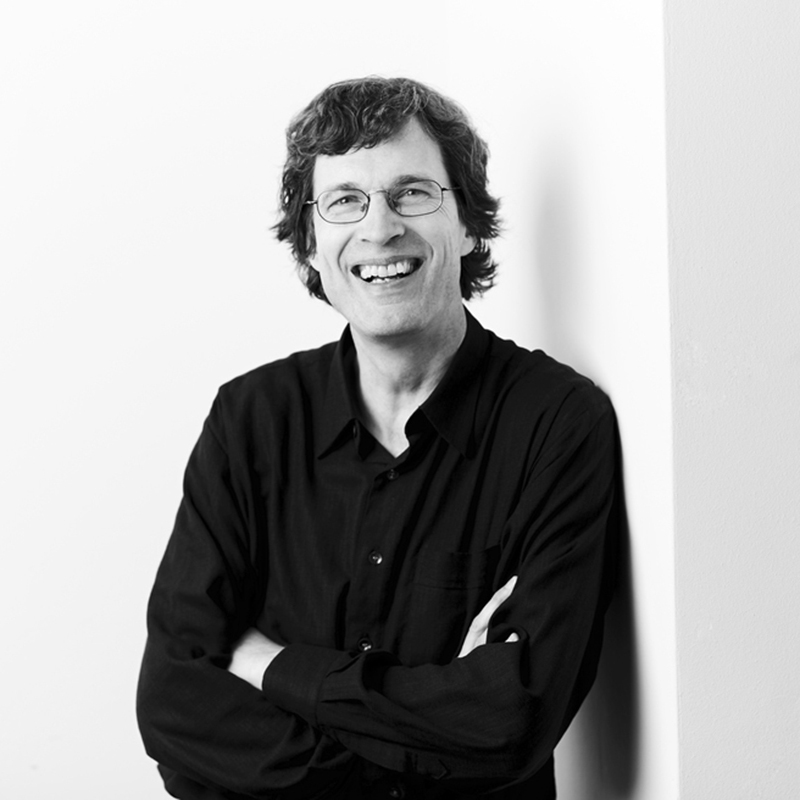
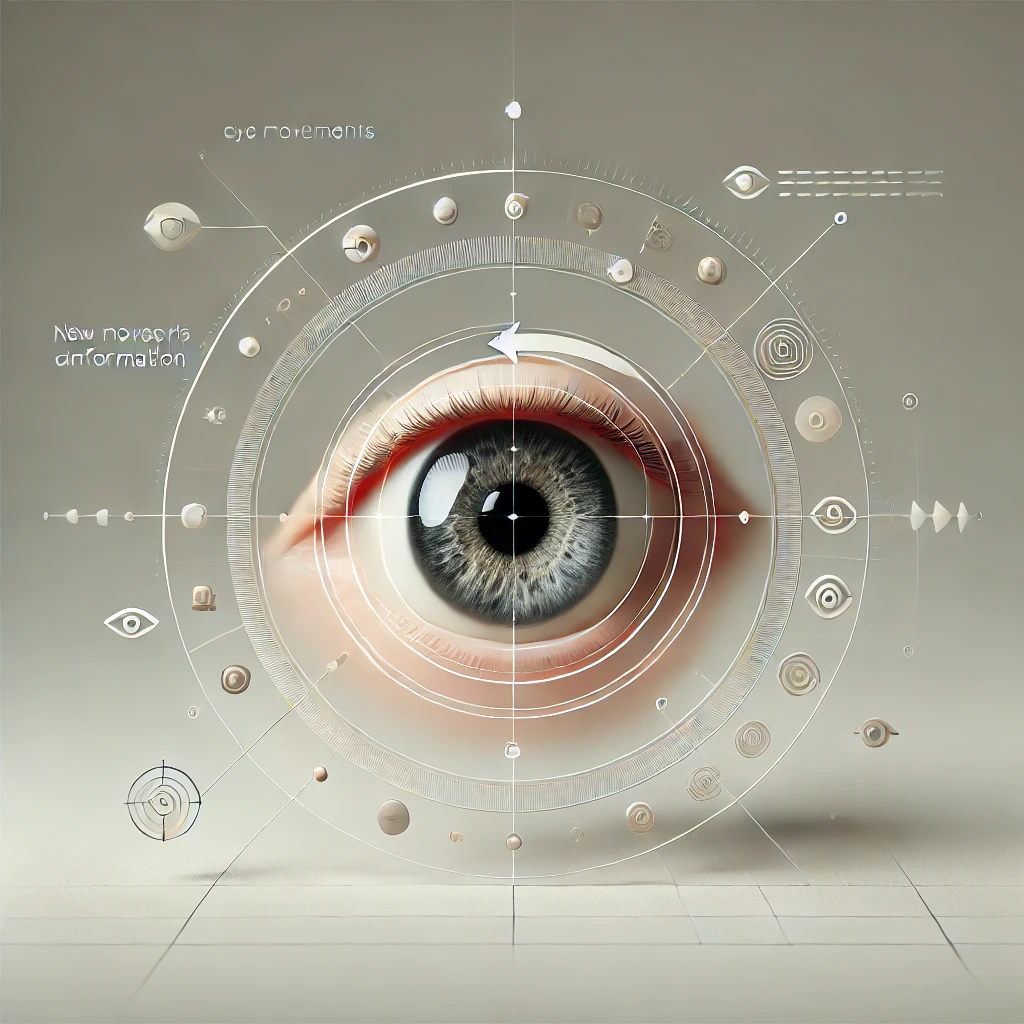
  • Ralf M. Haefner (University of Rochester, NY), “How We Move Our Eyes To Collect Information”

    Thursday Morning Talk
    MAR 2.057

    Abstract Collecting new information about the outside world is a key aspect of brain function. In the context of vision, we move our eyes multiple times per second to accumulate evidence about a scene. Prior studies have suggested that this process is goal-directed and close to optimal. Here, we show that this process of seeking

  • Berlin Summer School of Artificial Intelligence and Society

    For the Public
    Marchstraße 23, 10587 Berlin, Room 2.057

    Berlin is currently facing numerous challenges, ranging from the modernization of public administration to the adaptation to climate change, from traffic planning to the regulation of the housing market, the implementation of an efficient health care system and creating incentives for a more sustainable lifestyle with the involvement of citizens. In this context, the effective

  • Berlin University Alliance’s Open Space Event on AI and Ethics (in German)

    External Event

    Our members Dafna Burema and Jonas Frenkel will take part at "THE OPEN KNOWLEDGE LAB" Berlin as speakers, which thrives on active exchange between science, business, politics, and urban society. The BUA OPEN SPACE salon series provides a platform for dialogue on current social issues and networking: impulses from science and subsequent discussions provide deeper

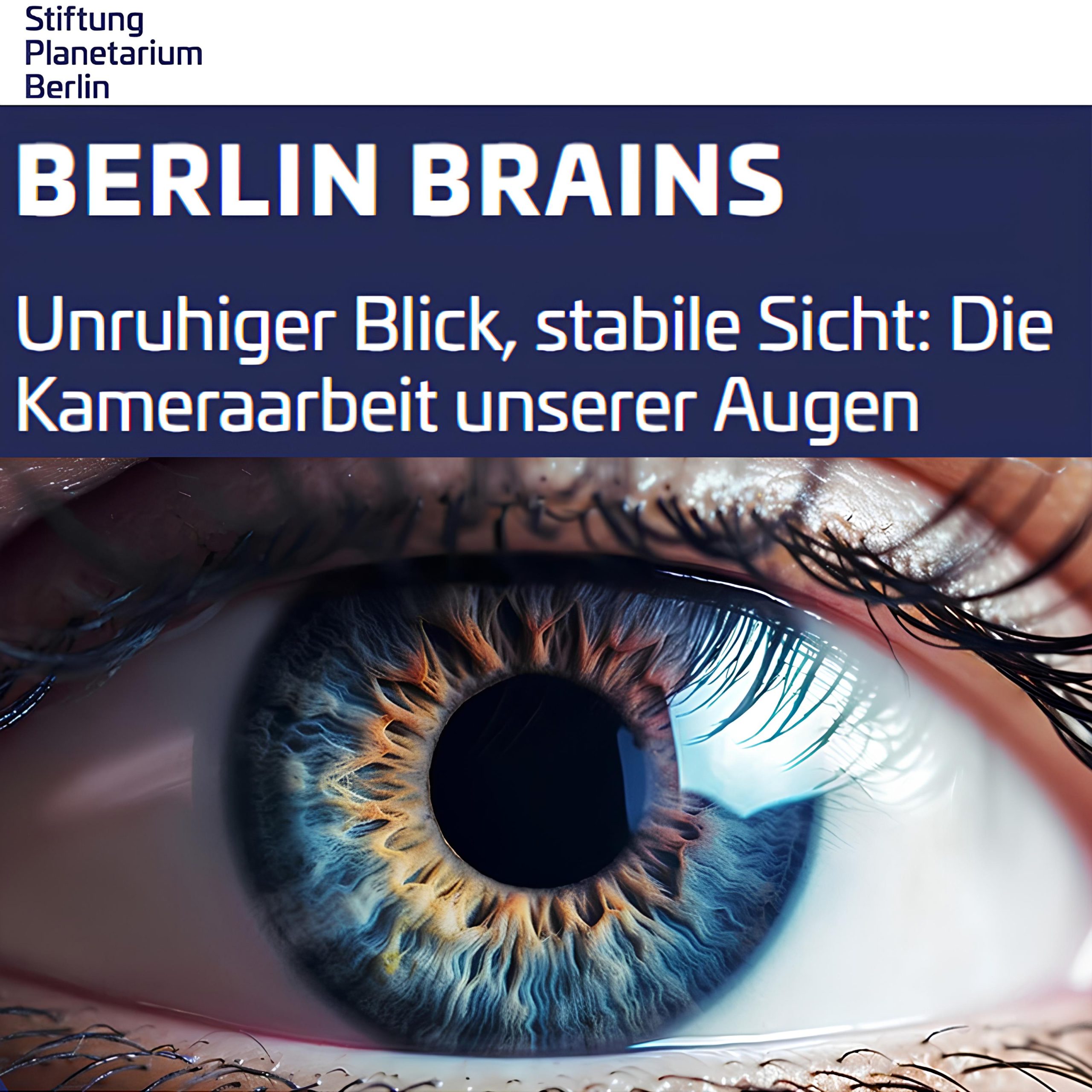
  • Berlin Brains – Restless Gaze, Stable Vision: SCIoI Members Martin Rolfs and Nina Hanning @Zeiss Grand Planetarium Berlin

    External Event
    Zeiss-Großplanetarium, Prenzlauer Allee 80, 10405 Berlin

    Live Event at Zeiss-Großplanetarium (Zeiss Grand Planetarium), Berlin with SCIoI memebers Martin Rolfs and Nina Hanning, titled "Restless gaze, stable vision: The camera work of our eyes." About: Our eyes are restless; they constantly orient themselves toward new aspects of the environment. If they were cameras, the recorded film would be dizzying. And yet our

  • Oliver Brock at TED AI Vienna 2024

    External Event

    SCIoI spokesperson Oliver Brock will give a talk about artificial intelligence (AI) in Vienna (Austria), where, for the first time, a TED series of talks will be hosted, to foster the understanding of AI innovation. Want to join or get more information? Click here.

  • Jörg Raisch (Science of Intelligence), “Efficient and Privacy-Preserving Consensus in Multi-Agent Systems”

    PI Lecture
    SCIoI, Marchstraße 23, 10587 Berlin, Room 2.057

    Achieving consensus, i.e., agreeing on objectives and on relevant aspects of the environment, is a prerequisite whenever a group of individuals (“agents”) attempt to cooperatively solve a task. This requires information exchange between agents. In technical scenarios, information exchange is via wireless communication channels, which exhibit interference. Standard implementations aim at avoiding interference by resorting

  • Heiko Hamann (Uni Konstanz, SCIoI), “Introduction to Collective Robotics: A Formal Approach”

    Hot Topics in Intelligence Research
    SCIoI, Marchstraße 23, 10587 Berlin, Room 2.057

    Heiko Hamann is a roboticist with focus on collective systems. With his group he studies distributed robotics, machine learning for robotics, and bio-hybrid systems. In his collaboration with SCIoI member Pawel Romanczuk he investigates collective intelligence and especially the swarm robotics aspects of “Speed-accuracy tradeoffs in distributed collective decision making.” This talk will take place

  • Alan Winfield (UWE Bristol), “Ethics in Collective Robotics”

    Hot Topics in Intelligence Research
    SCIoI, Marchstraße 23, 10587 Berlin, Room 2.057

    Alan Winfield is Professor of Electronic Engineering and Director of the Science Communication Unit at the University of the West of England, Bristol. He conducts research in swarm robotics in the Bristol Robotics Laboratory and is especially interested in robots as working models of life, evolution, intelligence, and culture. Alan is passionate about communicating science

  • POSTPONED: Anita Keshmirian (Forward College, Berlin), “Many Minds, Diverging Morals: Human Groups vs. AI in Moral Decision-Making”

    Thursday Morning Talk
    Marchstraße 23, 10587 Berlin, Room 2.057

    Abstract "Moral judgments are inherently social, shaped by interactions with others in everyday life. Despite this, psychological research has rarely examined the impact of social interactions on these judgments. In our study, we explored the role of group dynamics in moral decision making by having small groups (4-5 participants) evaluate moral dilemmas first individually, then