• Distinguished Speaker Series

    POSTPONED: Richard McElreath, “The Cultural and Ecological Nature of Intelligence”

    Abstract: How do we reconcile the extraordinary success of the human species with the apparent stupidity of people and organizations? How can we understand the transformation of humans from foraging apes to urban clerks, without any appreciable change in physiology? No one has definitive answers to these questions, but we begin to answer them by

  • Distinguished Speaker Series

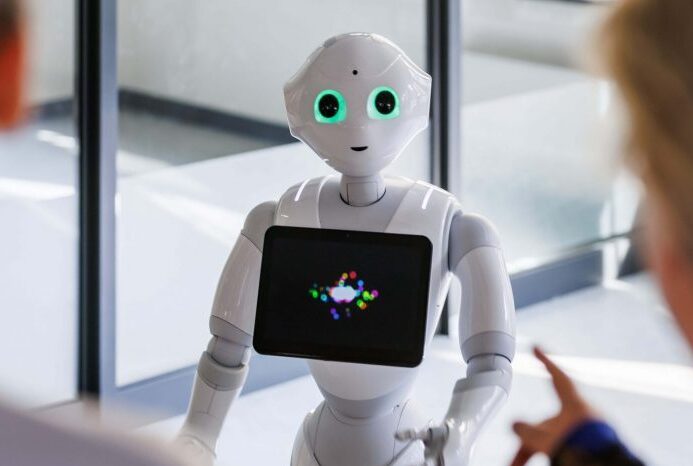
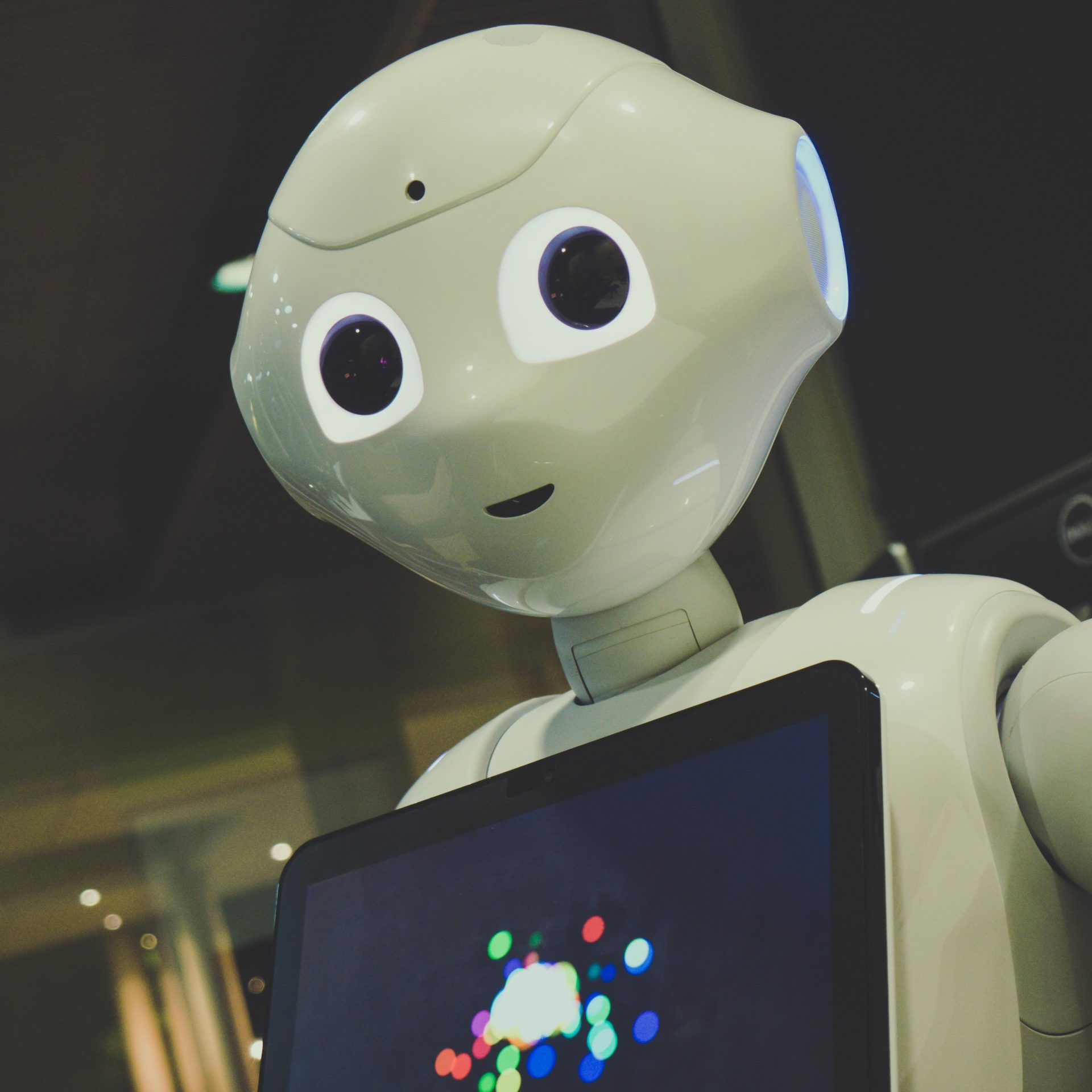
    Antonio Bicchi (University of Pisa), “What Is It Like To Be a Bot?”

    Abstract The impressive evolution that artificial intelligence, virtual reality, and robotics have recently undergone reached a point where it is now possible to fuse these technologies and create another body for the self. This possibility poses new questions at the core of embodied intelligence. In this talk I will examine a few of the technical,

  • Distinguished Speaker Series

    POSTPONED: Onur Güntürkün (Ruhr-Universität Bochum), “The Evolution of Brain and Cognition: A Wild Hypothesis”

    Onur Güntürkün is regarded as a pioneer of biologically based psychology. The aim of his work is to find out how perception, thought and action arise in the brain. He is interested in diverse topics, such as motor learning, fear, risk-taking behavior and even kissing. In his research, Güntürkün combines psychological, biological and neuroanatomical aspects

  • Distinguished Speaker Series

    Michael Beetz (Universität Bremen), “Empowering Robots with Digital Mental Models: Filling the Cognitive Gap for Everyday Tasks”

    In this talk I introduce Digital Mental Models (DMMs) as a novel cognitive capability of AI-powered and cognition-enabled robots. By combining digital twin technology with symbolic knowledge representation and embodying this combination into robots, we tackle the challenge of converting vague task requests into specific robot actions, that is robot motions that cause desired physical

  • Distinguished Speaker Series

    Serge Belongie (University of Copenhagen), “Searching for Structure in Unfalsifiable Claims”

    Abstract: While advances in automated fact-checking are critical in the fight against the spread of misinformation in social media, we argue that more attention is needed in the domain of unfalsifiable claims. In this talk, we outline some promising directions for identifying the prevailing narratives in shared content (image & text) and explore how the

  • Distinguished Speaker Series

    Asifa Majid (University of Oxford), “Establishing Human Universals”

    Abstract: Psychology, the "science of mental life", aims to provide models and theories that apply universally. However, there is a growing concern that what we gather from studying humans in a particular place and time might not accurately reflect how humans behave in other contexts. This talk will consider how we can establish whether something

  • Distinguished Speaker Series

    Marta Halina (University of Cambridge), “Intuitive Physics in Nonhuman Animals”

    Abstract: Comparative psychologists have spent the last few decades examining whether nonhuman animals understand the physical world in a way that is similar to humans. Broadly, human intuitive physics is thought to include a collection of abilities, such as knowing that solid objects continue to exist even when no longer perceived and that objects tend

  • Distinguished Speaker Series

    Onur Güntürkün (Ruhr University Bochum), “The Evolution of Brain and Cognition: A Wild Hypothesis”

    SCIoI, Marchstraße 23, 10587 Berlin, Room 2.057

    Onur Güntürkün is regarded as a pioneer of biologically based psychology. The aim of his work is to find out how perception, thought and action arise in the brain. He is interested in diverse topics, such as motor learning, fear, risk-taking behavior and even kissing. In his research, Güntürkün combines psychological, biological and neuroanatomical aspects

  • Distinguished Speaker Series

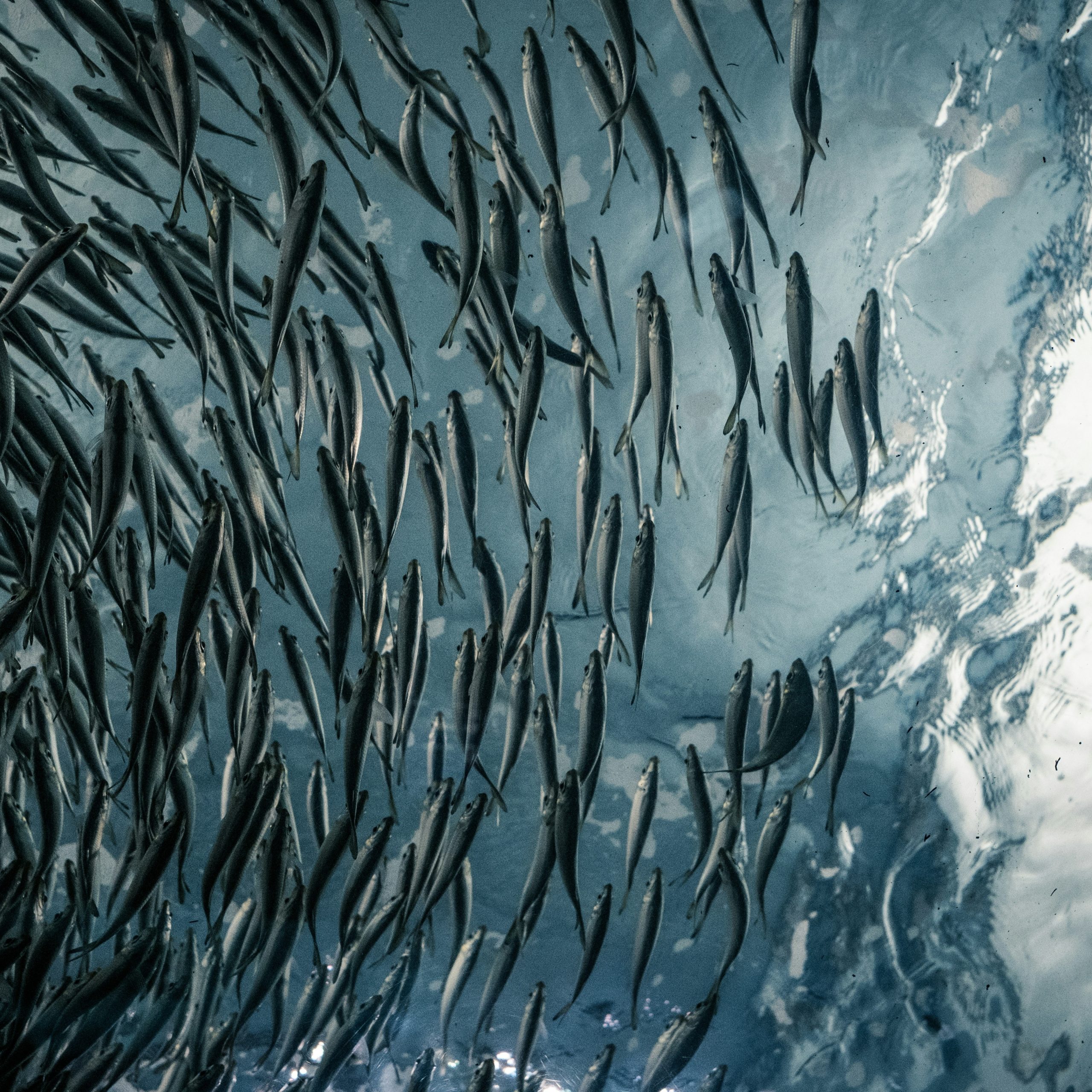
    Florian Engert (Harvard University), “Attentional Switching in Larval Zebrafish”

    Decision making strategies in the face of conflicting or uncertain sensory input have been successfully described in many different species.  Here we analyze large behavioral datasets of larval zebrafish engaged in a ‘coherent dot’ optomotor assay. We find that animal performance is bimodal and can be separated into two ‘states’, an engaged state where performance

  • Distinguished Speaker Series

    J. Kevin O’Regan (CNRS Paris), “How To Make a Machine That Is Conscious and Really Feels”

    SCIoI, Marchstraße 23, 10587 Berlin, Room 2.057

    Despite current advances in artificial intelligence, many people remain convinced that machines are still far from being able to really experience, for example, the redness of a sunset, the pain of a pinprick, or what it's like to be sad. This "phenomenal" or "felt" aspect of consciousness seems outside the realm of science and impossible

  • Distinguished Speaker Series

    John Tsotsos (York University), “Attentional Mechanisms Bridge Seeing to Looking”

    SCIoI, Marchstraße 23, 10587 Berlin, Room 2.057

    David Marr wrote 'What does it mean, to see? The plain man's answer (and Aristotle's, too) would be, to know what is where by looking'. Modern vision science has moved beyond Aristotle's view as well as Marr's, although it certainly would not have advanced without the influence of both. Seeing and Looking are different and

  • Distinguished Speaker Series

    Dario Floreano (EPFL), “Avian-Inspired Drones”

    SCIoI, Marchstraße 23, 10587 Berlin, Room 2.057

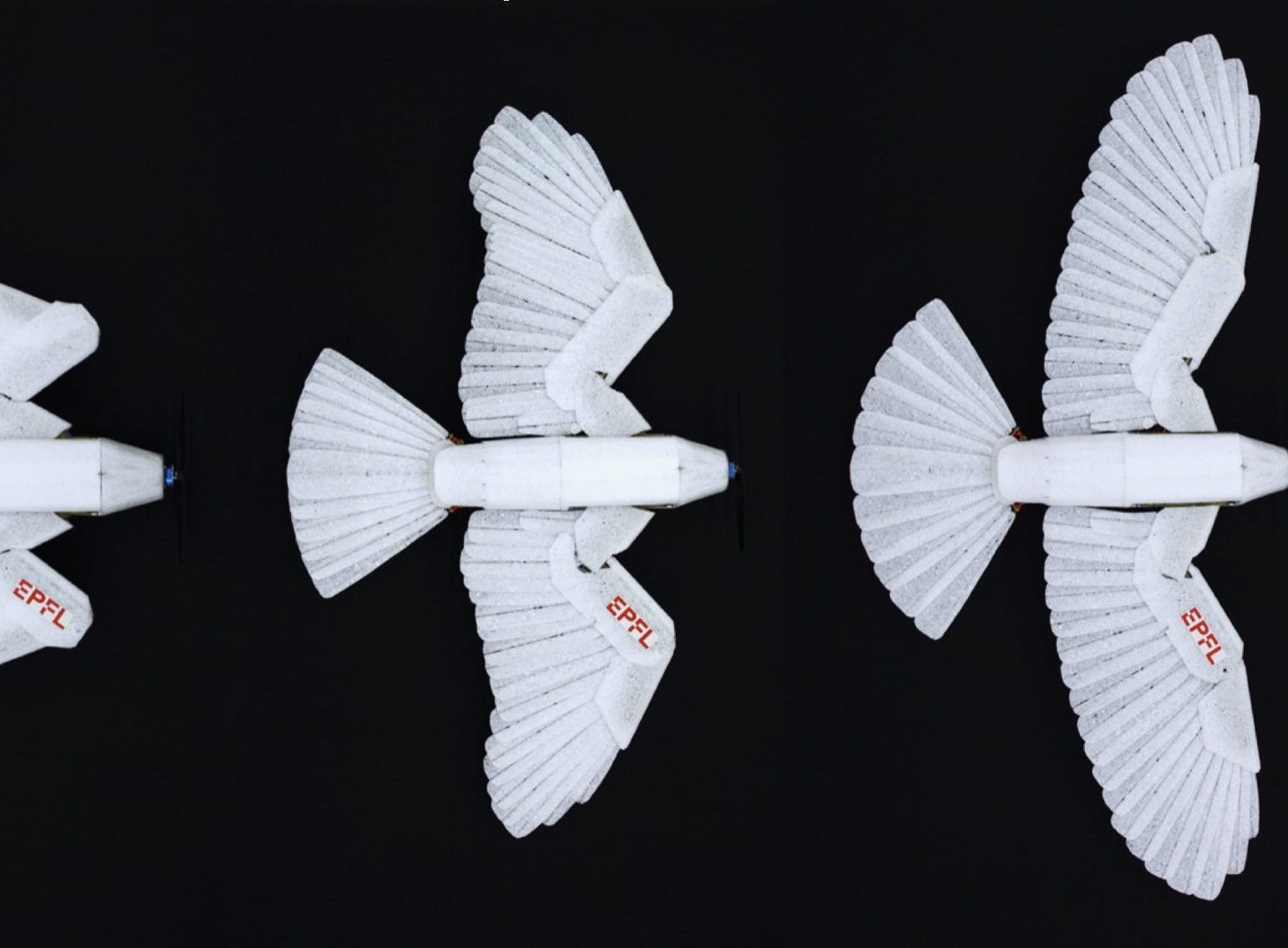
    In less than 20 years drones transitioned from research labs to the real world and had a major impact on inspection, security, rescue, logistics, and entertainment. However, today's drones do not match the agility, endurance, adaptability, and intelligence of birds. Birds are not only the masters of the sky but are also at ease on