Can a robot tutor give too much help? New SCIoI study shows that robot-delivered feedback can support learning after mistakes, but timing matters
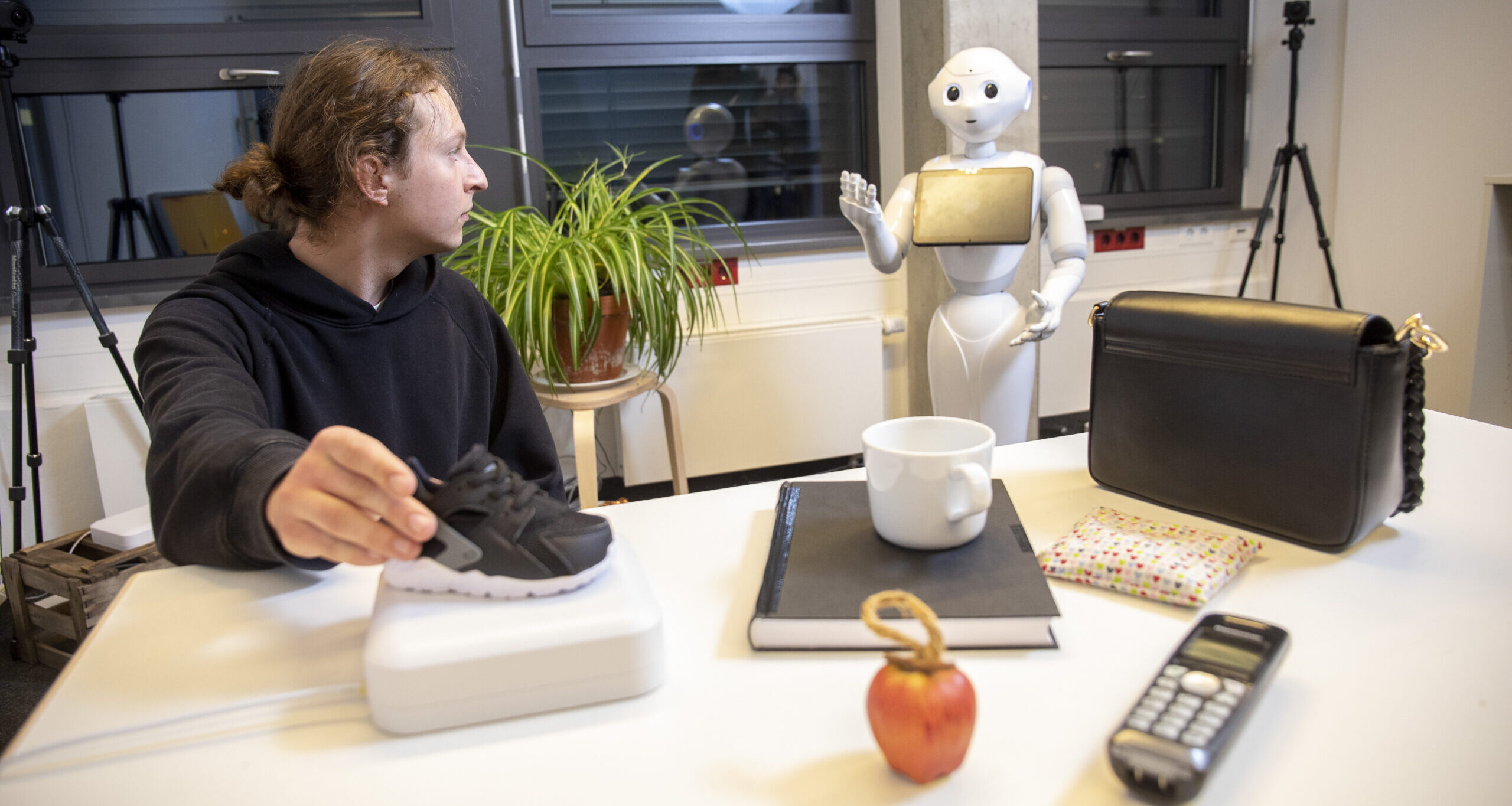
A learner stands in a room with a bottle, a cup, and a book. The task is to figure out, step by step, where each object belongs in the room. Under the table? Or perhaps on the chair? A humanoid robot gives the instructions – but in Swahili, a language the learner does not know. To solve the puzzle, the learner must gradually decipher what the robot is saying.
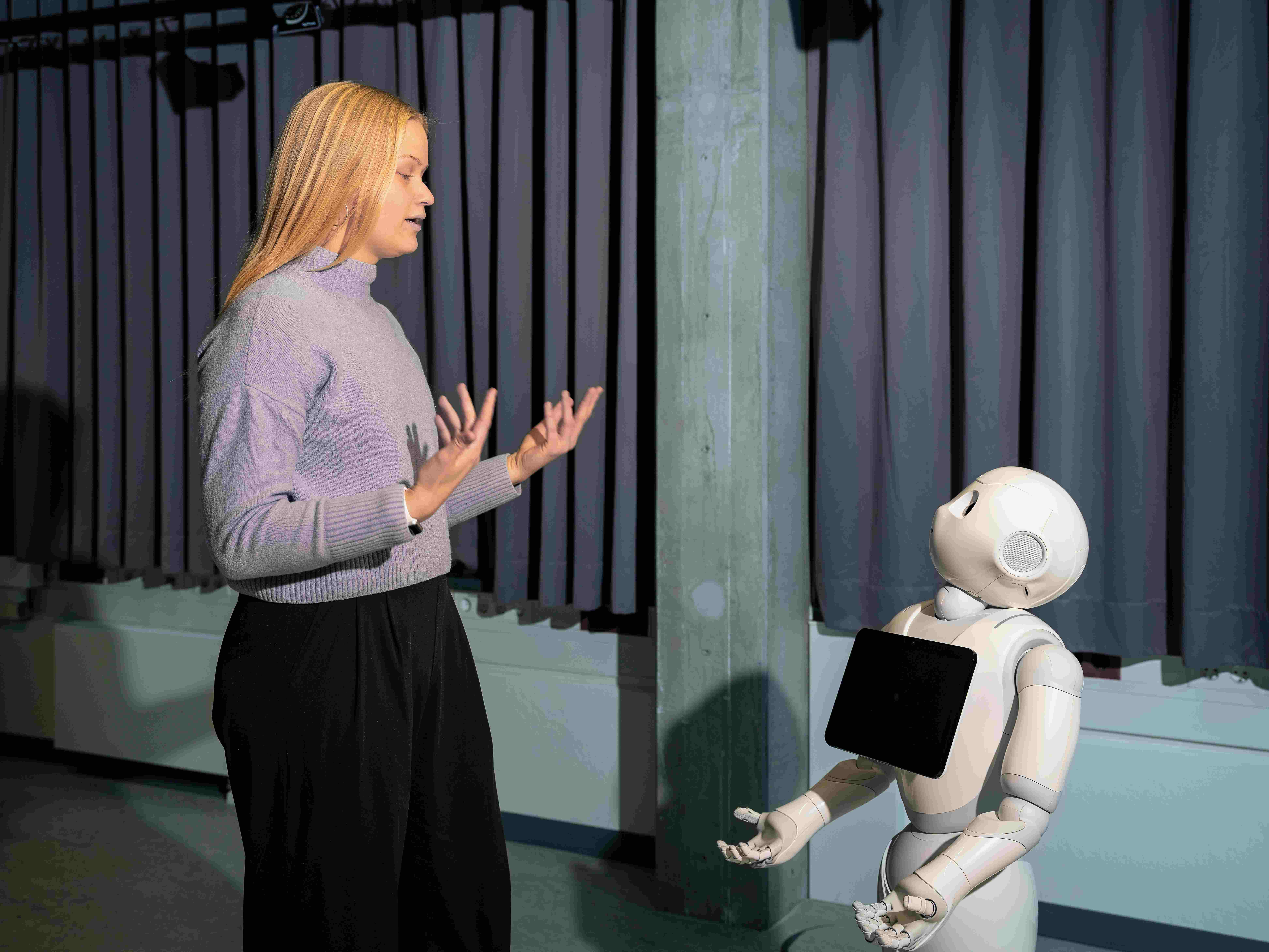
After each placement attempt, the robot responds. When the learner makes a mistake, it sometimes simply says that the placement was wrong. Sometimes it gives an additional hint: one that helps the learner think through the task, or one that asks them to reflect on their strategy.
This was the setup of the new study “Real-time cognitive-affective dynamics of failure feedback in a technology-based learning task” from the Cluster of Excellence Science of Intelligence (SCIoI) in Berlin, published in Communications Psychology. First author Helene Ackermann, together with Anna L. Lange, Hanna Dumont, Verena V. Hafner, and Rebecca Lazarides, investigated how 90 adult learners responded to automated feedback in a robot-supported learning task.
The study comes at a time when humanoid robots and AI tutors are increasingly discussed as future assistants in classrooms, workplaces, and everyday life. But while public debate often focuses on what robots may soon be able to do, the new findings point to a wider question: when does robotic support actually help a human learner?
The answer is actually more nuanced: Robot-delivered feedback helped learners recover from mistakes, but more personalized feedback was not automatically more helpful in the next moment.
“Our study shows that automated feedback can support learning after mistakes,” says Helene. “But it also shows that help has to fit the moment. Right after an error, more information is not always better.”