And now, everyone: breathe!
Young Arapaimas — the giants of the Amazon — surface for air in perfect synchrony
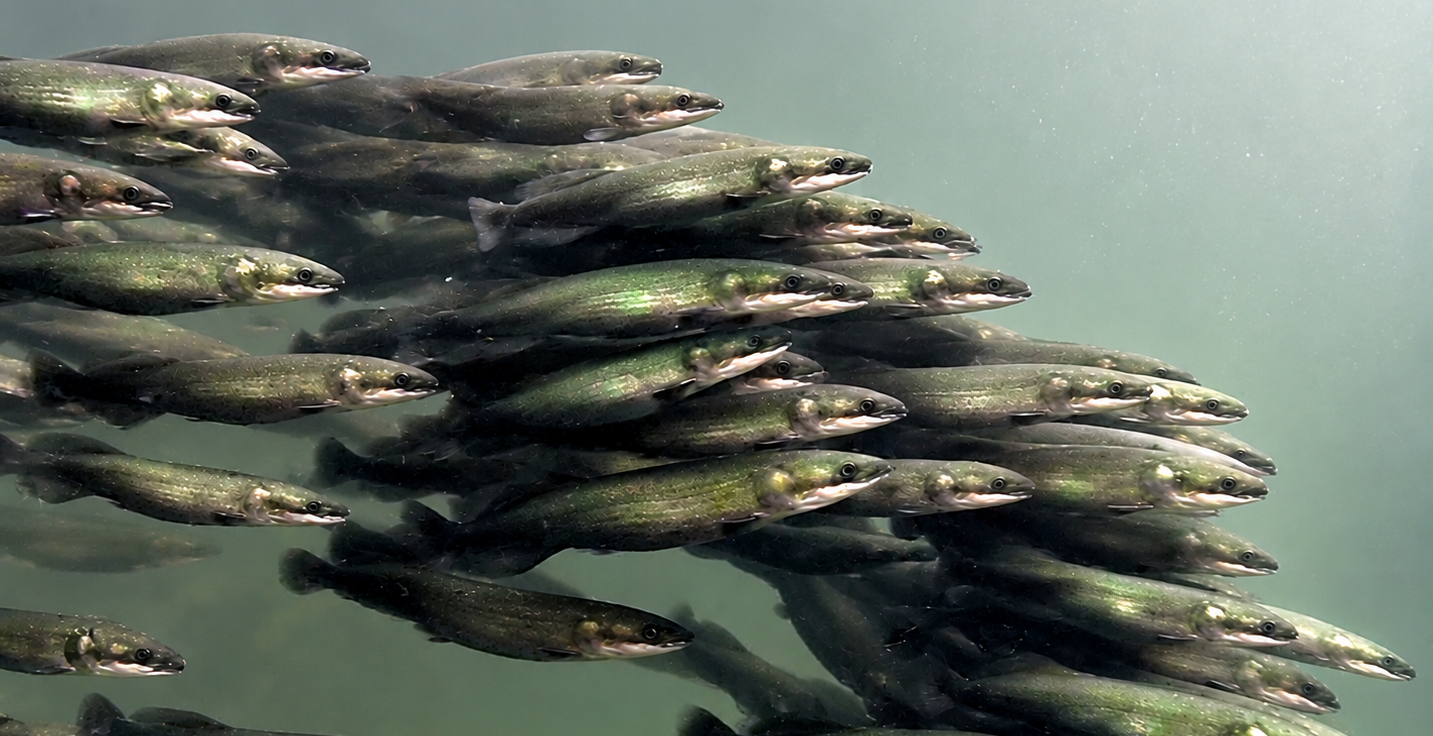
Some fish swim in synchrony. Others, it turns out, breathe in synchrony. This is true for the Arapaima, an obligate air-breathing species living in the Amazon. A new study in Communications Biology, led by the Leibniz Institute of Freshwater Ecology and Inland Fisheries (IGB) in collaboration with the Cluster of Excellence “Science of Intelligence”, has demonstrated for the first time that Arapaima juveniles gather by the hundreds to synchronize their trips to the water surface with split-second precision, most likely to avoid predators and maximize survival and efficiency. The principle behind this behavior could also help inform mathematical models for synchronizing heterogeneous groups of robots or drone swarms.
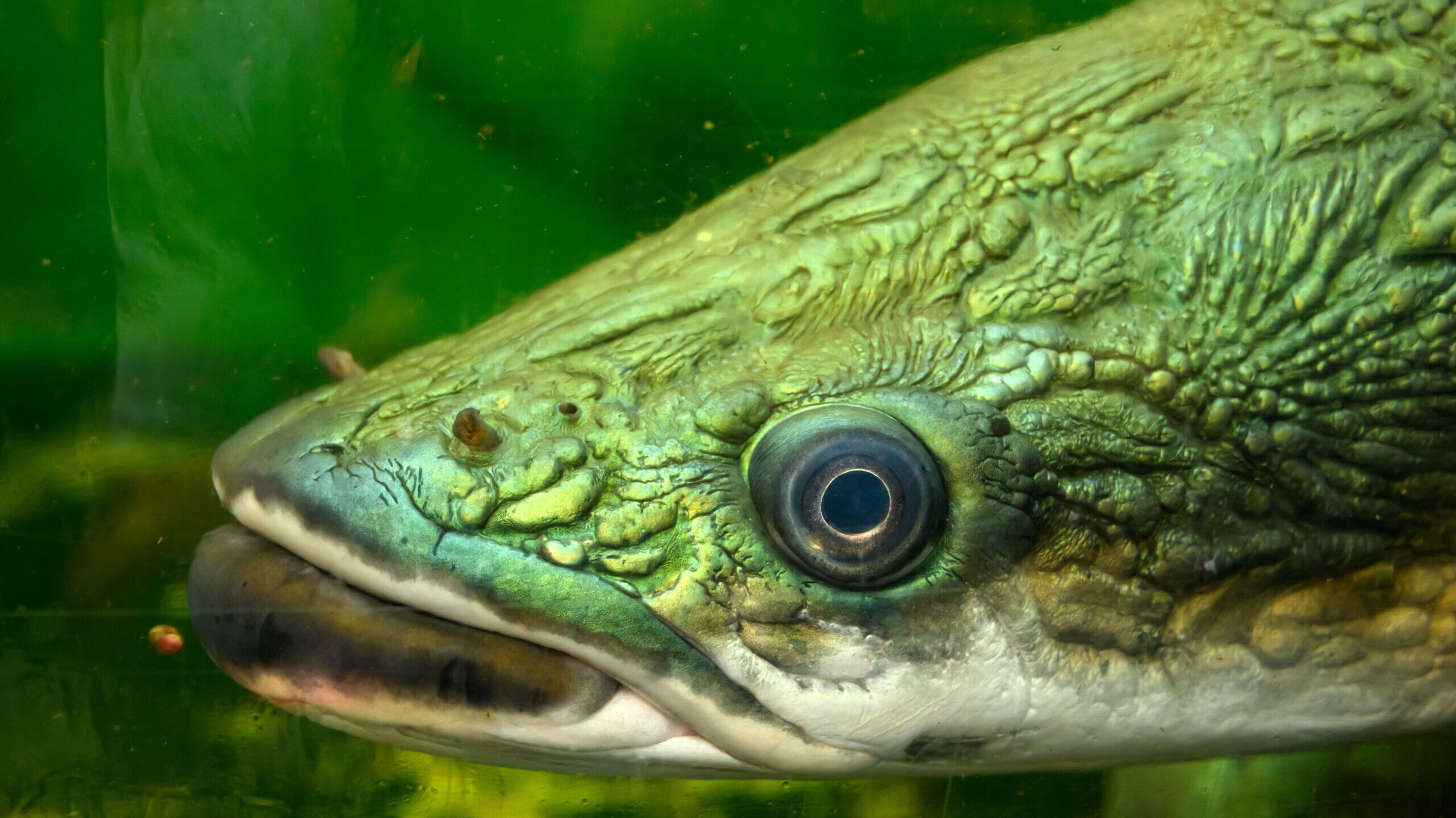
Not much is known about this rare species: Arapaimas (Arapaima gigas) are among the largest freshwater fish in the world, reaching lengths of more than two meters and weights of almost 300 kilograms. Unlike most fish, they depend on breathing air. Adult Arapaimas must surface roughly every ten minutes, while juveniles need to come up much more often, every one to two minutes. This adaptation allows them to survive in the often oxygen-poor waters of the Amazon Basin. The new study shows that young Arapaimas do not simply surface individually: in groups of several hundred animals, they synchronize their breaths down to the second.