SCIoI member Jens Krause elected to the Academia Europaea – a recognition of expertise on intelligence in the wild

A recognition of outstanding scholarship, and of a scientific life spent studying intelligence in the wild

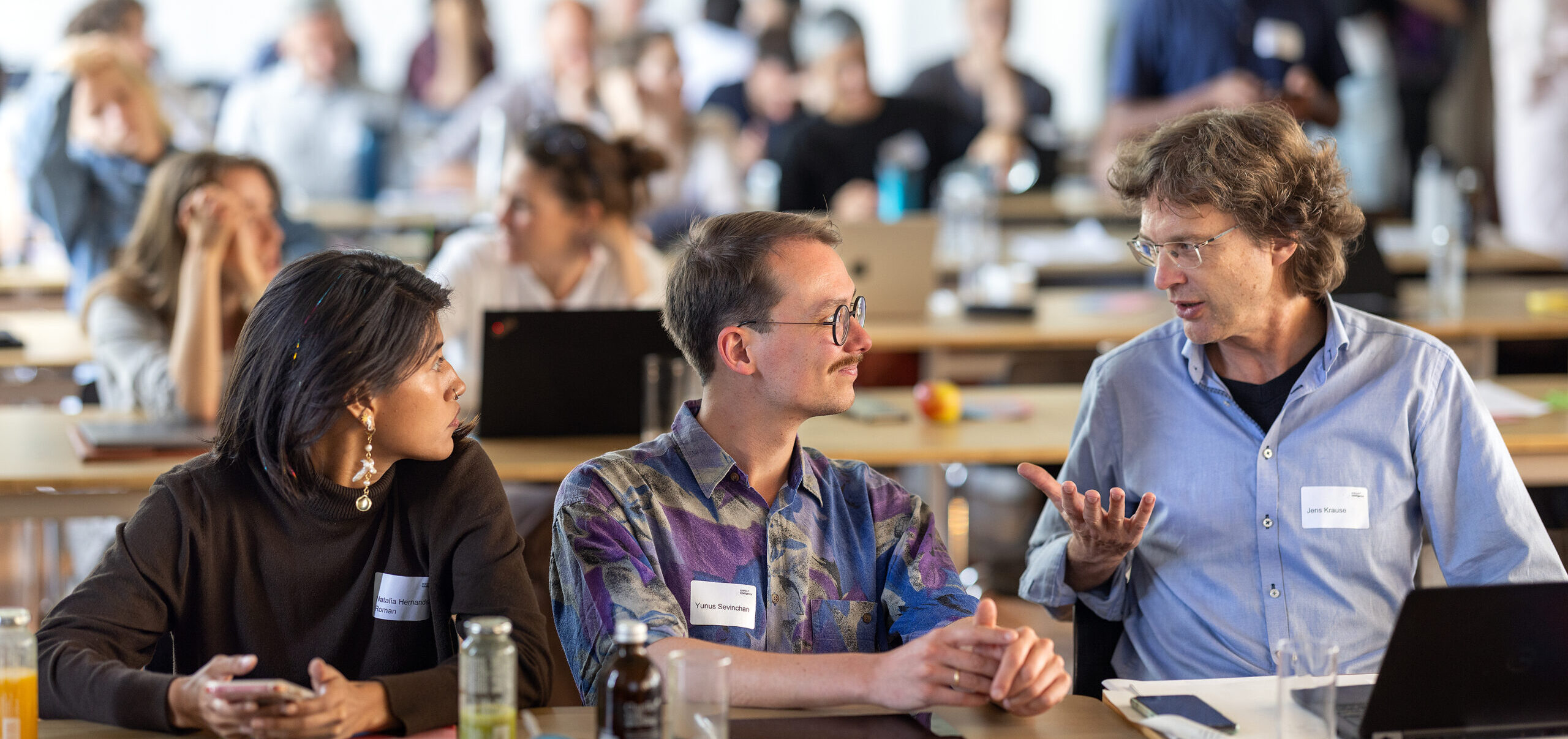
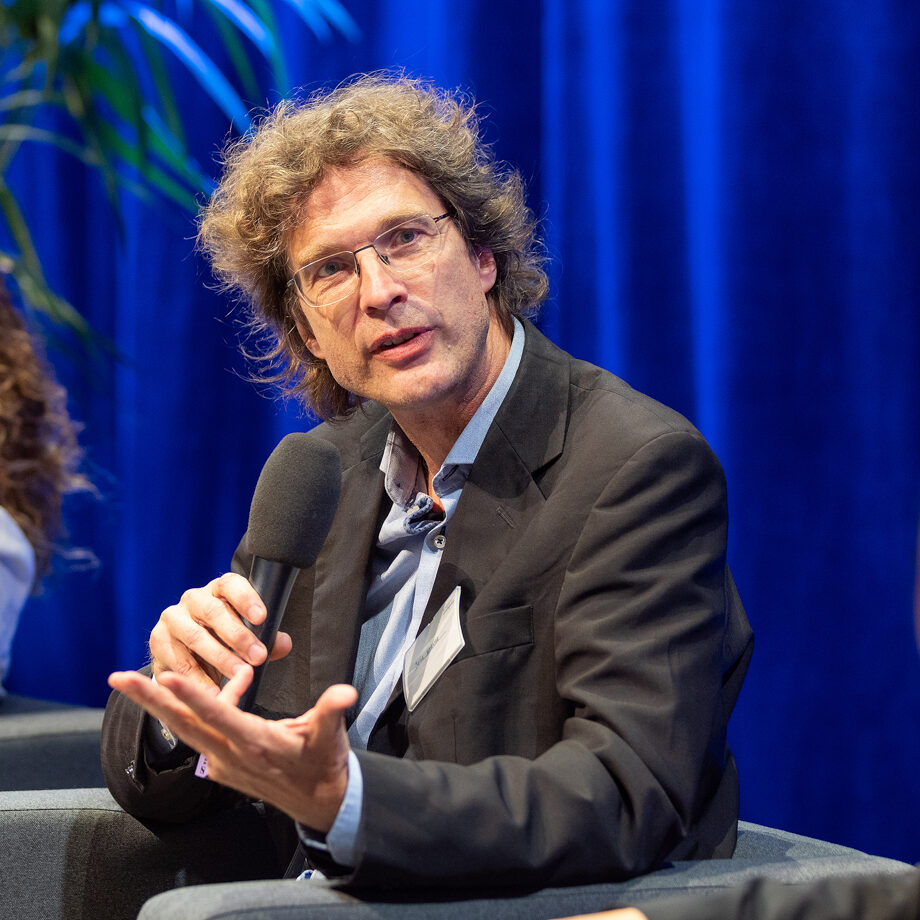
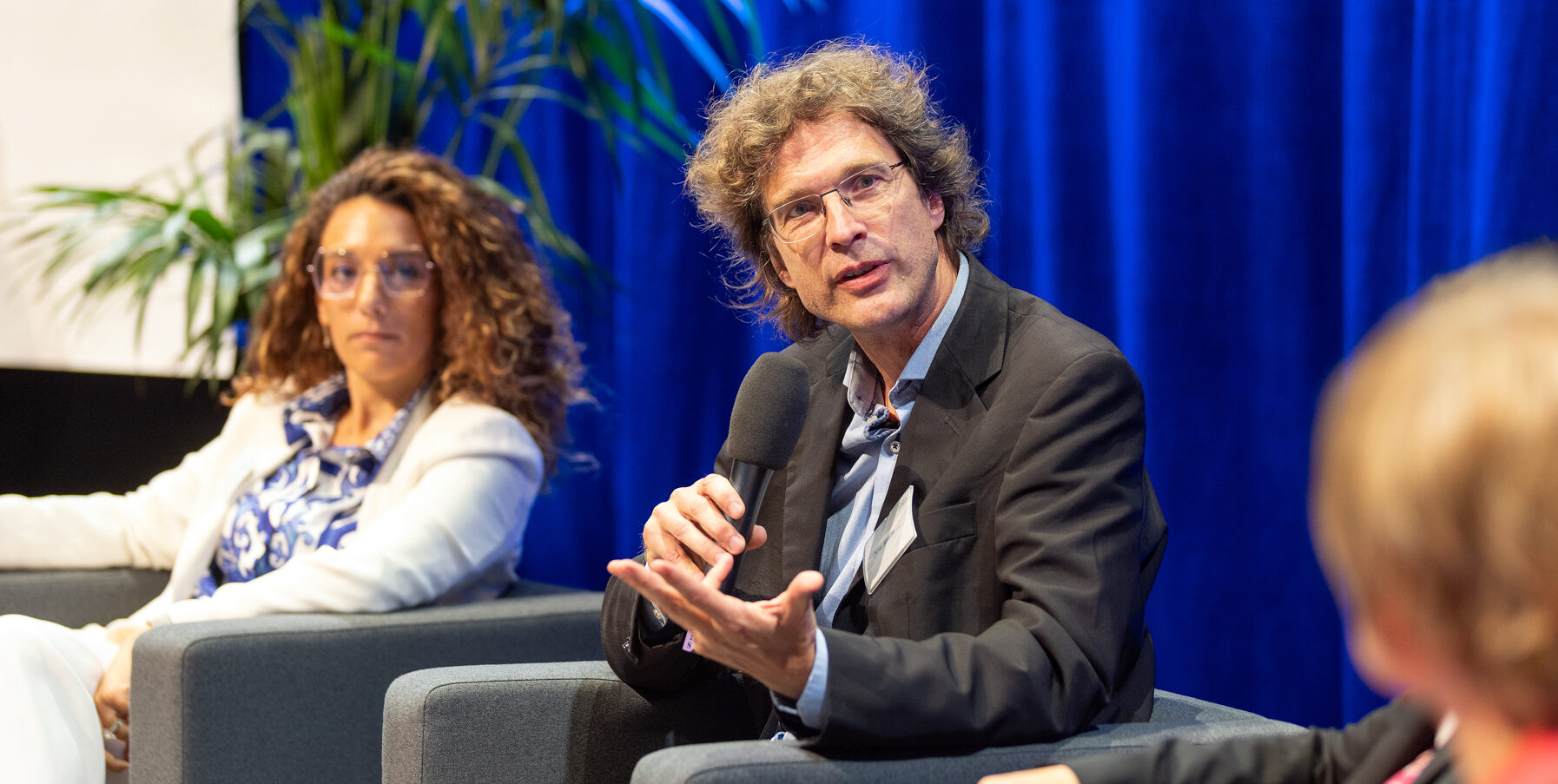
Jens Krause, behavioral biologist, SCIoI principal investigator and member of the SCIoI Executive Board, Professor of Fish Ecology at Humboldt-Universität zu Berlin, Head of Department at the Leibniz Institute of Freshwater Ecology and Inland Fisheries, has been elected to the Academia Europaea.

An invitation-only academy for outstanding scholars

Membership in the Academia Europaea is by invitation only and follows a rigorous peer-review selection process. The Academy brings together leading scholars from across the humanities, social sciences, law, economics, mathematics, medicine, natural sciences, and technological sciences. Its mission is to promote excellence in scholarship and research, strengthen European and international scientific exchange, advise governments and international organizations on scientific matters, and foster a wider public understanding of the value of knowledge and learning.

For Jens, the election is a personal honor and a recognition of a career devoted to understanding one of the most fascinating phenomena in nature: how individuals become groups, and how groups can behave intelligently. “I look forward to exploring a broader range of opportunities for collaboration and exchange with European colleagues,” says Jens.
Studying how groups become intelligent

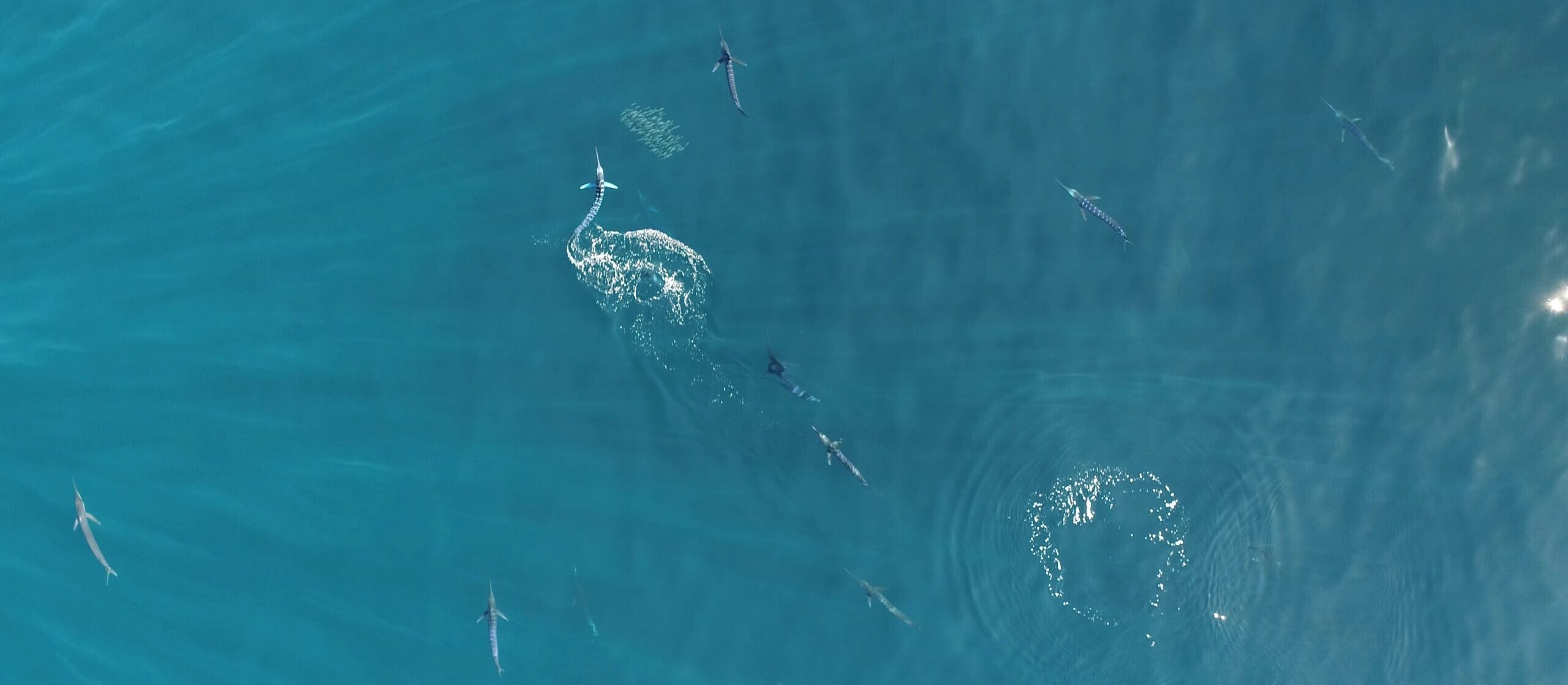
Jens’s scientific work focuses on collective behavior and collective intelligence. He investigates how animals make decisions together, how information moves through groups, and how complex patterns emerge from the actions of individuals. His research combines controlled laboratory studies, mathematical modelling, and fieldwork in Central and South America, Asia, and West Africa. Across more than 200 scientific articles and several books, he has examined the mechanisms and adaptive functions of group living in a wide range of vertebrate species.

At Science of Intelligence, Jens’s work connects behavioral biology with robotics, psychology, computer science, and the study of intelligent systems more broadly. His research asks what biological collectives can teach us about intelligence, and how principles observed in animal groups may help us understand decision-making, coordination, and adaptation across different systems.

This interest in collective intelligence has also made Jens an important voice beyond biology. He is a regular guest speaker at medical conferences, where he discusses how insights from collective behavior may inform medical decision-making. He has advised international companies on questions of collective behavior and intelligence, and his research has been featured in documentaries by German national television, National Geographic, the Smithsonian Channel, and Netflix.

Following intelligence into the wild

But to understand what makes Jens’s science so distinctive, one has to look further than the list of publications, appointments, and awards. One has to follow him into the field.

Because for Jens, collective intelligence is something he observes in fish shoals, bird flocks, predator-prey interactions, and animal groups moving through real environments. It is something that happens in the open ocean, in sulfur springs, in forests, in rivers, and sometimes under conditions that sound less like a standard research trip and more like the beginning of an adventure film.

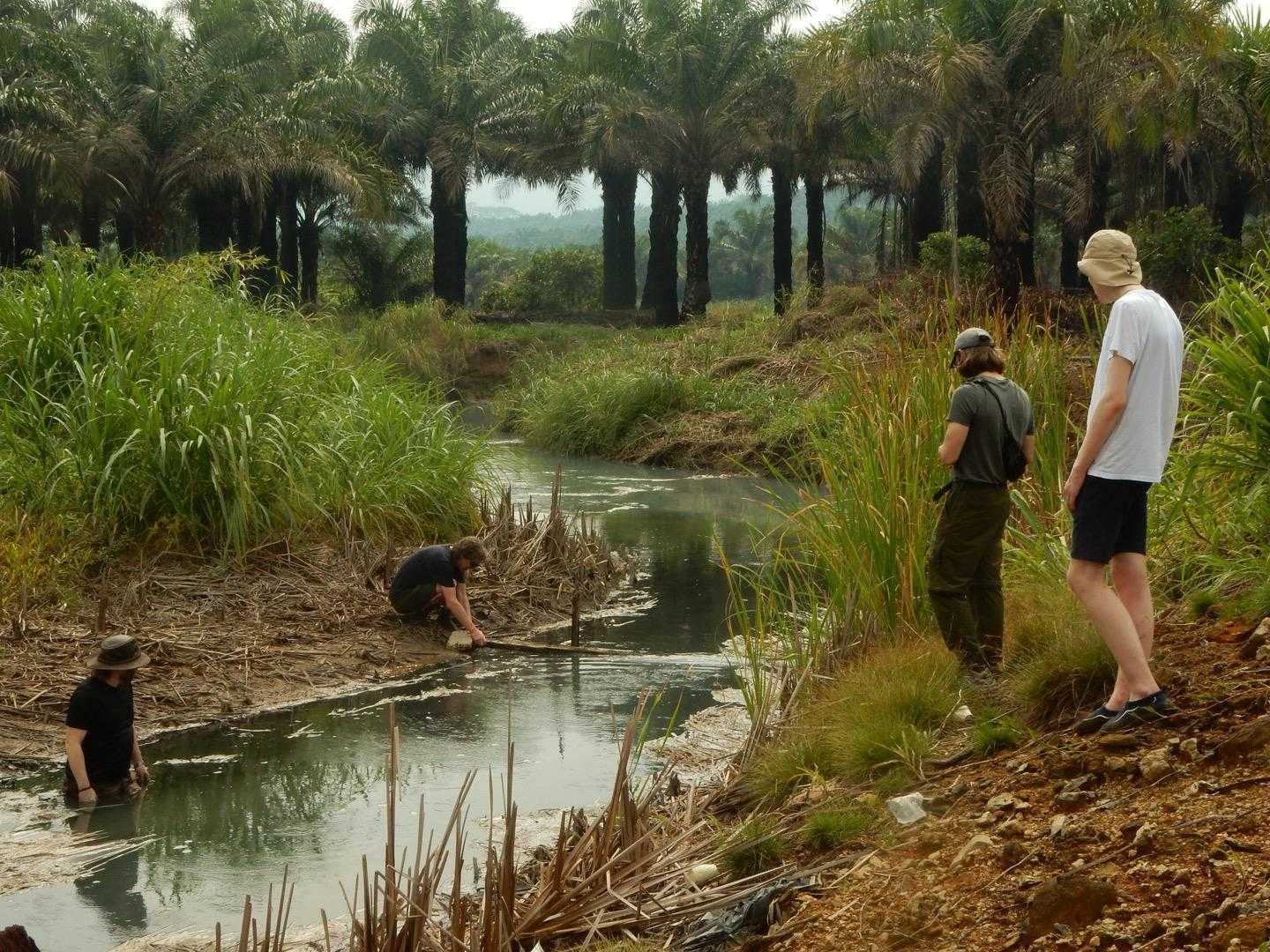
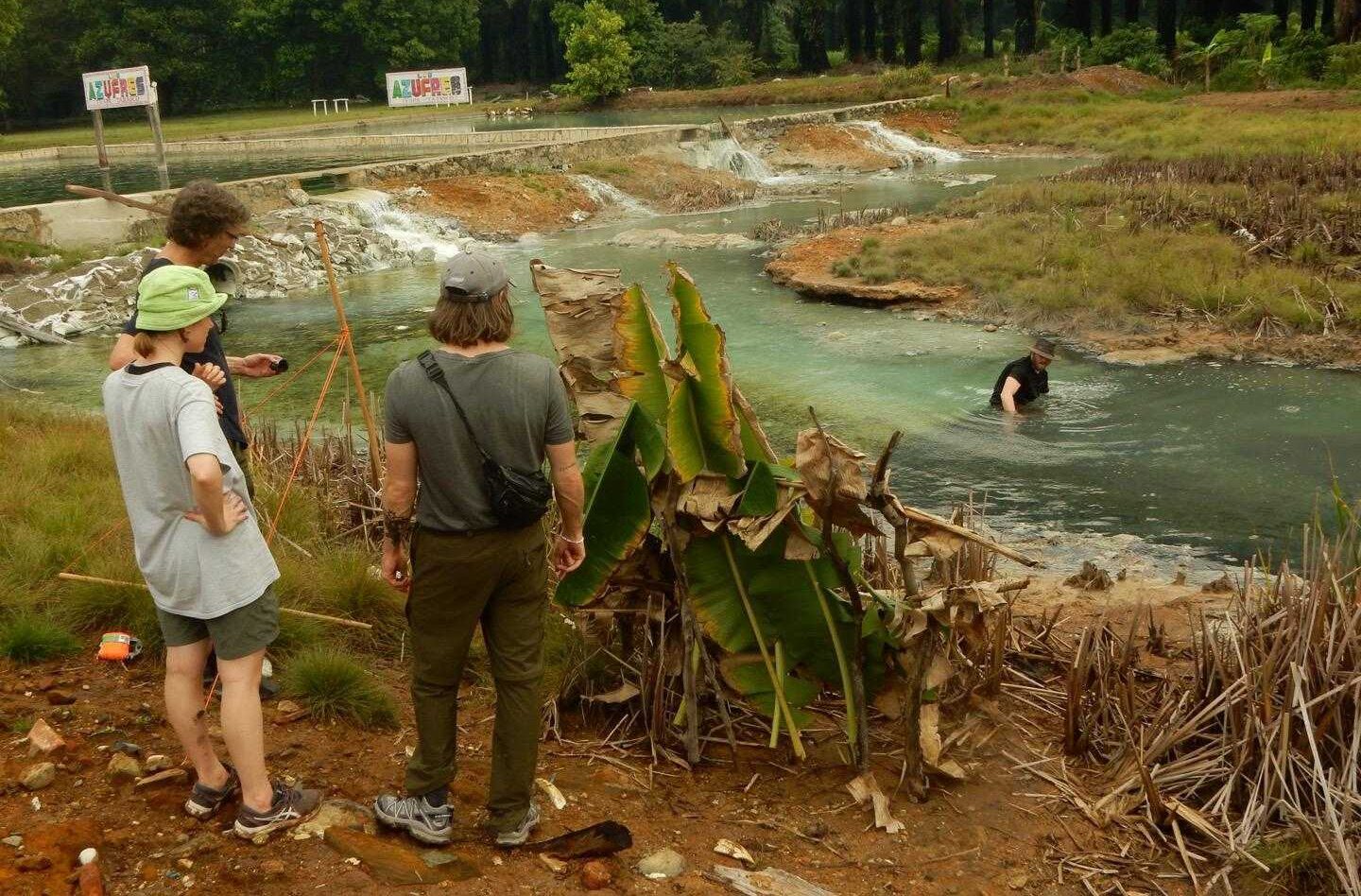
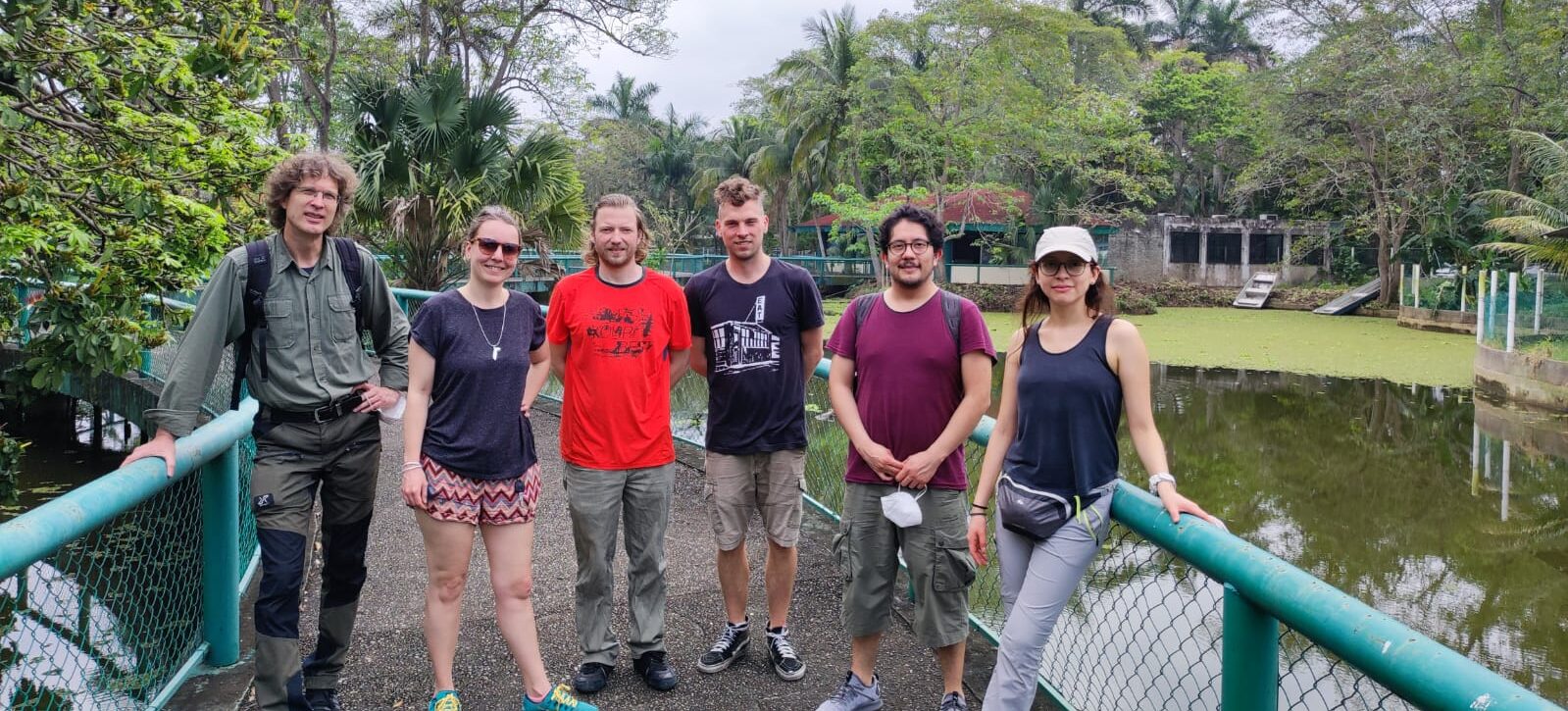
His fieldwork has taken him onto small boats for weeks at a time, often with little shelter, to study fish groups in their natural environments. It has brought him and his teams into remote landscapes in Mexico, where they wade through waist-deep water to build experiments with sulfur mollies, small fish that live in extreme habitats and have become a model system for studying collective behavior under predation pressure. Fieldwork there means dealing not only with difficult environmental conditions, but also with the presence of crocodiles, snakes, and everything else that comes with working in the wild.

And yet, when Jens speaks about these places, what comes across first is delight, fascination, and stories that will keep one at the edge of one’s seat.

The curiosity behind the science

He talks about animals with the kind of attention that makes even a brief observation feel like the opening of a larger world. A fish changing direction, a group of birds responding to one another, wolves moving through the Brandenburg landscape: for Jens, these are windows into the ways living systems process information, coordinate action, and solve problems together.

And this fascination is contagious. It shapes the way he works with doctoral researchers, colleagues, and even school students, whom he has taken on research trips for many years to give them firsthand experience of university research abroad. In the field, scientific curiosity becomes something tangible: standing in the water, setting up an experiment, watching animals move, waiting for a pattern to appear.

“I can’t talk, I’m with the wolves”

There is a story colleagues like to tell that captures this side of him well. One winter weekend, a bird had become trapped in a tower, and the person who found it was unsure what to do. Would releasing it help, or would it be dangerous for the animal in the cold? Jens was called for advice on a Saturday. He picked up the phone and whispered: “I can’t talk, I’m with the wolves.”

He was, quite literally, out observing wolves in Brandenburg. Still, he listened to the problem, gave the necessary yes-or-no answers, and helped save the bird.

It is a small story, but it shows something essential: the same attentiveness that drives Jens’s science also shapes how he moves through the world. Whether he is studying fish shoals in open water, speaking about collective decision-making, advising on interdisciplinary research, or answering a weekend phone call about a trapped bird, his work is grounded in a deep curiosity about living beings and the systems they form together.

Science as a collective process

This curiosity has also shaped his role within SCIoI. Jens has often described interdisciplinarity itself as a kind of collective process. Scientists from different fields do not automatically understand one another. They have to learn to translate, to listen, to reframe their own questions, and to find shared mechanisms beneath different languages and methods.

For Jens, this process has been central to the Cluster. “Interdisciplinarity isn’t just about explaining your work,” he says. “You have to phrase it in a way that lets others actually build on it. That often means you need to understand your own ideas more deeply than you normally would.”

From this perspective, Jens’s election to the Academia Europaea honors a scientist whose work has helped reveal how intelligence can emerge in groups, how living systems coordinate under uncertainty, and how research itself can become more powerful when people learn to think together.

It is a fitting recognition for someone who has spent his career following intelligence into the wild, and bringing its lessons back into science.


Research

An overview of our scientific work

See our Research Projects