• Benjamin Alt (Universität Bremen), “Hybrid AI for Safe Embodied Intelligence”

    Guest Lecture
    Marchstraße 23, 10587 Berlin, Room 2.057

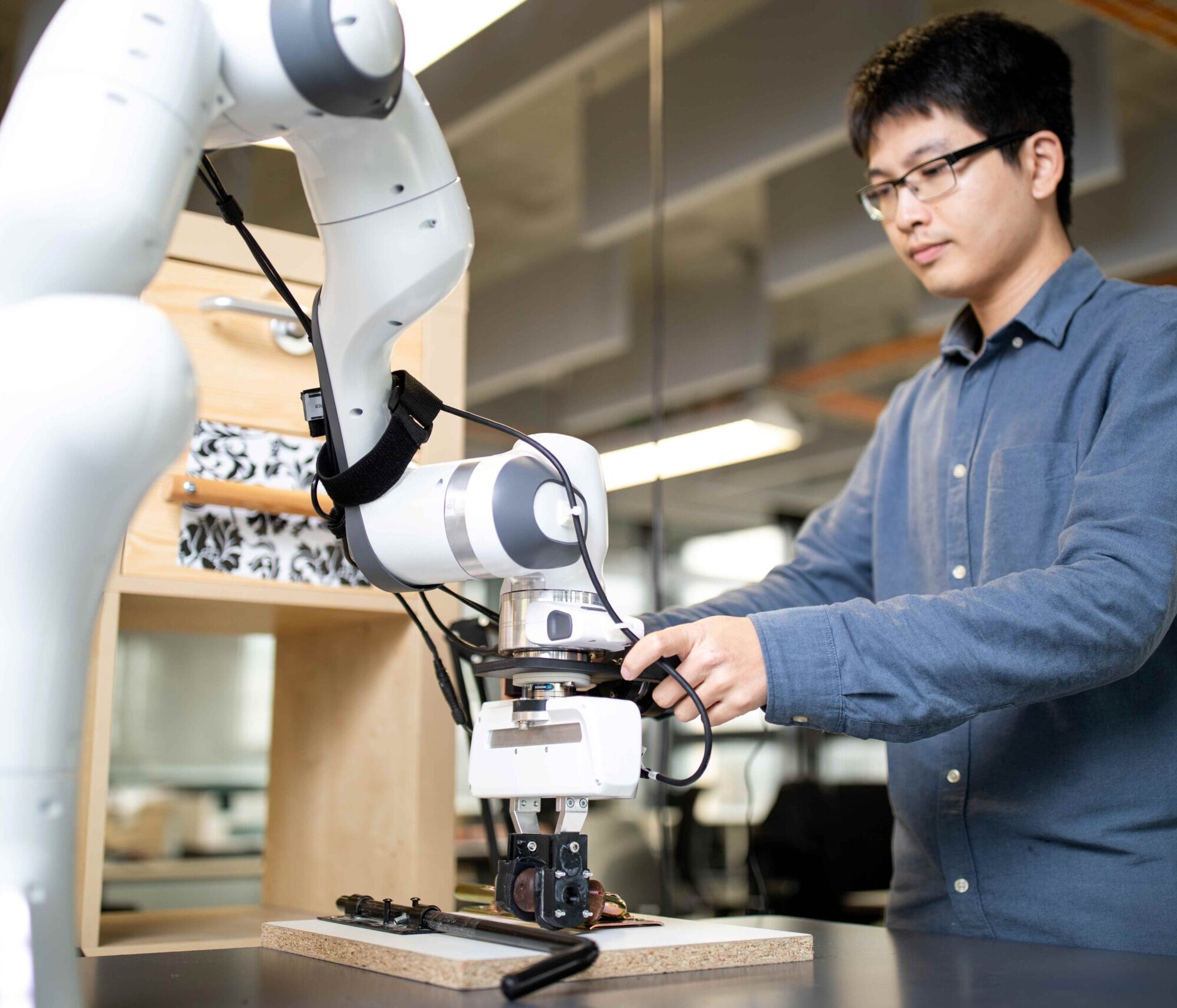
    Enabling robots to perform complex manipulation tasks in open-world environments requires approaches to intelligence that bridge the traditional divide between symbolic and subsymbolic systems. Hybrid systems that combine reasoning over symbolic knowledge with probabilistically approximately correct inference over probability distributions promise to make robot manipulation actions generalizable, interpretable, and scalable to address real-world challenges. This

  • Vladislav Golyanik (MPI for Informatics), “Egocentric 4D Vision with Conventional and Event Cameras”

    Guest Lecture
    Marchstraße 23, 10587 Berlin, Room 2.057

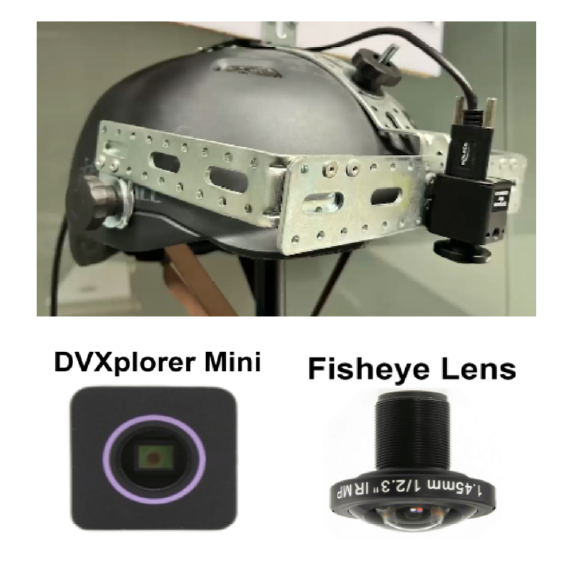
    4D computer vision using egocentric visual sensors on head-mounted devices (such as Aria glasses) is gaining momentum. While substantial progress has been made in recent years, various open challenges remain in the field, including robust 3D human and hand pose estimation from egocentric cameras, optimal egocentric camera placement, real-time processing, and fulfilling ergonomic and power

  • Martin Korth (Universität Münster), “Five philosophical problems that most likely matter for the science of intelligence”

    Guest Lecture
    Marchstraße 23, 10587 Berlin, Room 2.057

    Sub-symbolic deep neural network based artificial intelligence (AI) systems run into all sorts of problems, especially with hallucinations and in general with reliability. One way to conceptualize this is to understand sub-symbolic AI to lack proper world models, i.e. some type of mapping of what’s supposedly real and what’s not -- though it might be